
Why does the washing machine wash without stopping?
 When a washing machine runs continuously for 2-3 hours, instead of the 60 minutes specified by the program, it's a clear sign of a malfunction. What should you do in this case? How do you stop the machine, where do you begin troubleshooting, and which internal components could be causing the problem? Let's explore the nuances.
What happened to the car?
An automatic washing machine is a complex device consisting of numerous mechanisms. Over time, components wear out, causing the equipment to malfunction. Time doesn't always cause a breakdown. In some cases, rapid failure is caused by improper connection or user misuse.
If your washing machine takes longer than expected to wash, the following problems may be occurring:
- problems with water supply to the tank (the filter mesh, inlet hose, dispenser pipes become clogged, the pressure in the water pipe decreases, etc.);
- the drain hose is not connected correctly;
- there is a blockage in the drainage system;
- the water level sensor is out of order;
- the pump burned out;
- the heating element or temperature sensor is not functioning correctly;
- The main control module is failing.
Most problems can be fixed independently, without the help of a technician. The main task is to identify the cause of the washing machine's malfunction. Once the diagnostics are complete, proceed to troubleshooting.
Slow water intake
Often, a washing machine takes longer than usual because the water is being filled too slowly. This can add several hours to the cycle. In this situation, you should check the water pressure in the water supply, ensure the filter mesh, detergent drawer, inlet hose, and fittings are not clogged, and that the inlet valve is working properly.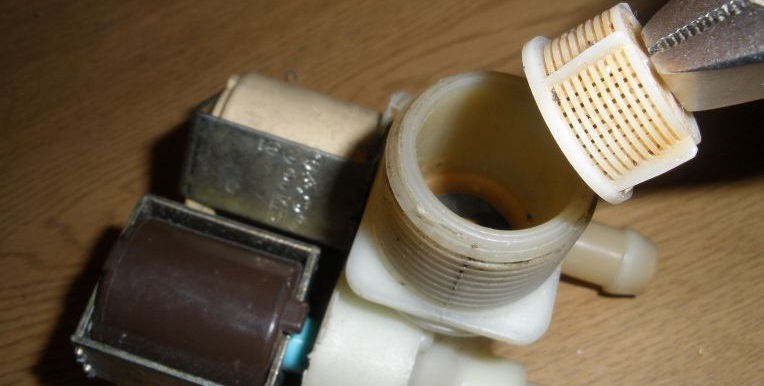
You can check the water pressure by turning on the faucet in the bathroom. If the stream is strong, inspect the shut-off valve. It may not be fully open, causing the machine's tank to fill slowly.
Clogged or incorrectly positioned drain hose
The next group of reasons are problems in the drainage system. If the drain hose is not connected correctly, water will drain out of the machine by gravity and then refill the tank, which will lengthen the cycle. The corrugated pipe should be connected correctly, then it will be possible to cope with the constant circulation of liquid in the washing machine.
In this case, DIY repairs are easy. All you need to do is connect the drain hose according to the instructions. The hose must be positioned at a specific angle, and the connection point to the sewer must be 40-80 cm above the floor.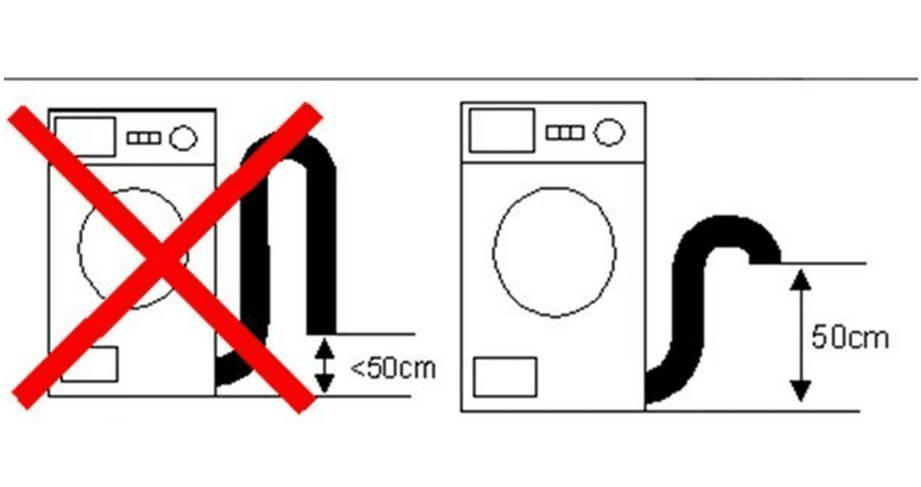
If your washing machine is stuck during the rinse or spin cycle, it's likely that the water draining from the system is obstructed. In this case, you'll need to check the debris filter, the hose connecting the tub to the pump, the drain hose, and the pump housing for blockages. It's likely that the main drain pipe is clogged, in which case you'll need a plumber.
An automatic washing machine can also freeze due to a faulty drain pump. If the pump is truly burned out, it will need to be replaced. Repairing this part is not practical.
Level sensor or heating element
A washing machine will constantly fill and drain water if the pressure switch is not working properly. A faulty sensor doesn't notify the control module that the tank is full to the required level. Too much liquid is drawn in, the protection is triggered, some of the water is drained, and the washing machine refills. This creates a continuous "water cycle."
The water level sensor is located under the top panel of the washing machine. Checking the element is easy: unhook the pressure switch tube and blow into it. If you hear clicking sounds, the device is working properly. Otherwise, the part will need to be replaced.
The washing cycle may take several hours due to a faulty heating element.
It's clear why washing times increase when the heating element fails. The heating element takes a very long time to heat the water to the desired temperature. And if the program requires heating to 90°C, you could be waiting all day for the cycle to complete.
Water heating may not occur due to the following reasons:
- The heating element has burned out (in this case, the device will freeze at the very beginning of the cycle, without even starting to spin the drum);
- the surface of the element is covered with a thick layer of scale.
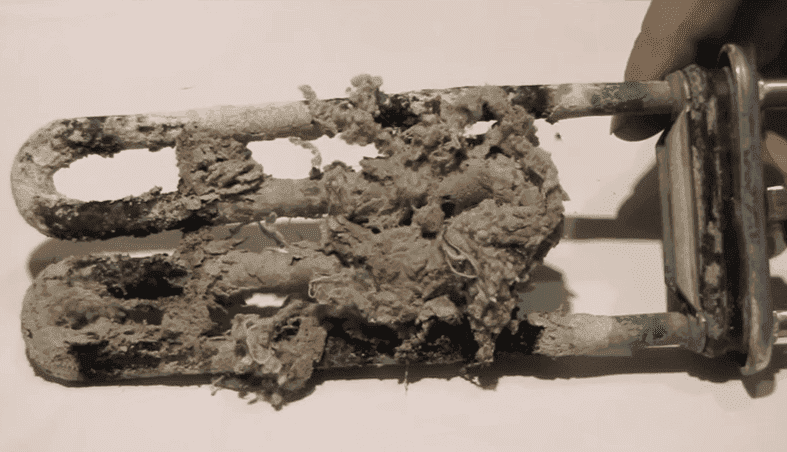
Limescale is a particular problem for washing machines. Tap water contains many impurities, and these particles settle on the internal parts of the washing machine. If the machine isn't regularly cleaned with special products, the limescale layer will build up. This will impair the heating element's thermal conductivity, and the machine won't be able to heat the water in the drum to the desired temperature.
A faulty temperature sensor can also prolong the wash cycle. It will send incorrect information about the water temperature to the electronic module. This can cause the program to take several hours to complete until the self-diagnostic system detects the error.
DIY repairs will involve replacing the heating element or thermistor. The parts are located behind the rear wall of the housing, under the tank. Before disassembling, be sure to disconnect the power to the machine.
Electronic board
This problem is considered the most serious and will be difficult to fix on your own. In this case, it's best to call a service center specialist to repair your "home assistant." If the electronic control module breaks down, the washing machine may continue washing indefinitely. The device will switch programs on its own, freeze, and then resume working again.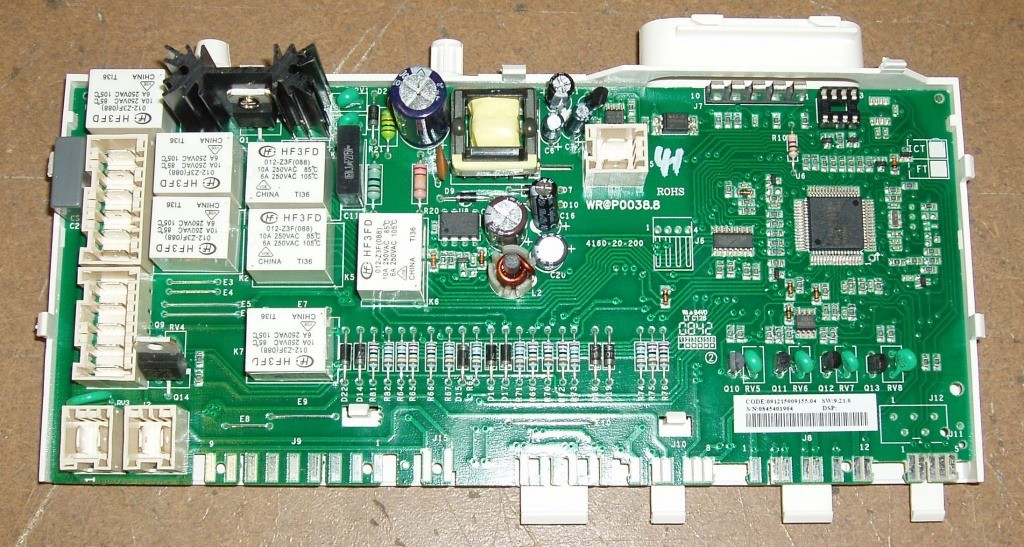
The problem can be resolved by either reflashing the electronic module or replacing the semiconductors on the board. Microprocessor diagnostics are performed using specialized devices and tools. Without the necessary knowledge and experience, tinkering with the washing machine's "brains" is not recommended; it could only make the situation worse.
Self-diagnosis system
Today, washing machine diagnostics have been greatly simplified. Most modern automatic machines can automatically detect system errors. The user only needs to decipher the error code displayed on the screen and take corrective action.
You can find out what kind of malfunction a particular error code indicates in the equipment instructions.
For example, if there's a problem with the drainage system, Indesit models will display the F-05 error code. Error code F-04 indicates a faulty pressure switch. LG machines, with the PE code, will indicate that the water tank is filling at a different rate than normal—either too quickly or too slowly.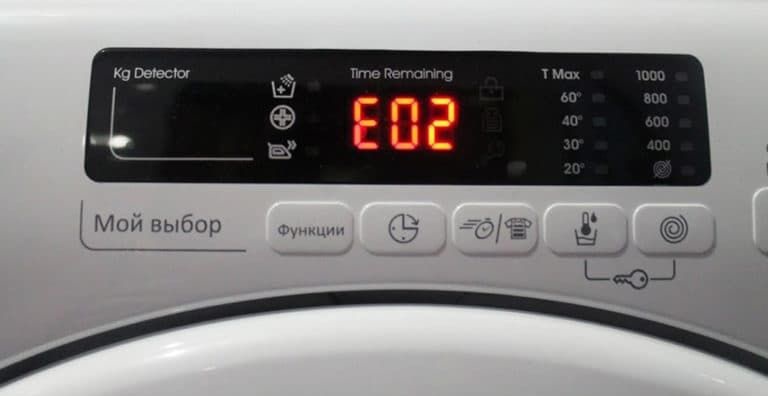
Error codes vary for each washing machine model. A complete list of error codes is provided in the user manual. This guide will help narrow down the possible malfunctions and identify the problem more quickly.
Should I call a professional?
What should you do if you notice your washing machine won't complete its cycle? Pause the cycle and drain the water from the drum, selecting the appropriate setting on the programmer. After that, you can remove the items from the drum and begin troubleshooting.
Most problems can be resolved at home. For example, clearing blockages in the drain system, replacing the heating element or thermistor, installing a new level sensor or inlet solenoid valve. The work can be done at home, but the main thing is to follow safety precautions.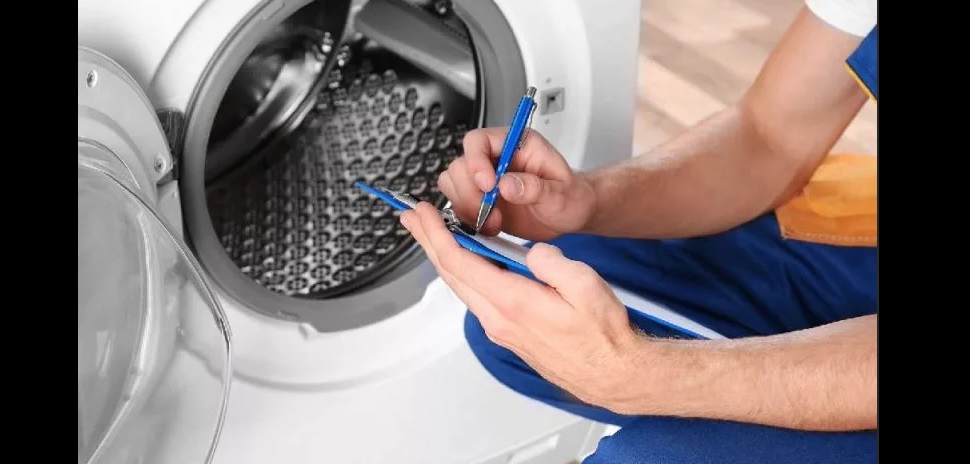
It's a different matter if the control module fails. In this case, diagnostics and repairs should be left to specialists. Without experience working with electronics, you could cause further damage to the washing machine, requiring a complete replacement, which is very expensive.
Interesting:
Readers' comments
Headings
Washing machine repair




For buyers




For users


Dishwasher




Add a comment