
The Vestel washing machine does not spin the laundry.
 It's easy to tell if your Vestel washing machine isn't spinning: the items in the drum are still completely wet at the end of the cycle. Another symptom is that the machine doesn't spin up to the set 600-1200 RPM after the rinse cycle, and switches to draining after a few minutes. This malfunction can be caused by anything from simple carelessness to a faulty electronic unit. Don't panic over wet laundry—it's better to understand the possible causes of the missing spin cycle and address them. We'll explain in detail what to look for and how to restore your Vestel's functionality.
How can we explain the “behavior” of the equipment?
It is strongly recommended not to ignore Vestel's reluctance to squeeze.Yes, you can manually press the laundry after the cycle is complete, but it won't do any good. Firstly, you'll have to waste your time and energy. Secondly, without timely repairs, the washing machine's condition will worsen, leading to complete failure.
Before starting diagnostics, it's worth outlining the range of possible malfunctions. Typically, the following issues slow down the spin cycle on a Vestel:
- spin is disabled (speed is reduced to minimum or the “no spin” program is selected);
- the system detected an imbalance (for safety reasons, the board cancelled the spin cycle);
- the drain does not function (water does not drain, spin does not start);
- the Hall sensor is broken;
- Vestel engine failed;
- there were problems with the bearing unit;
- the electronic unit "froze";
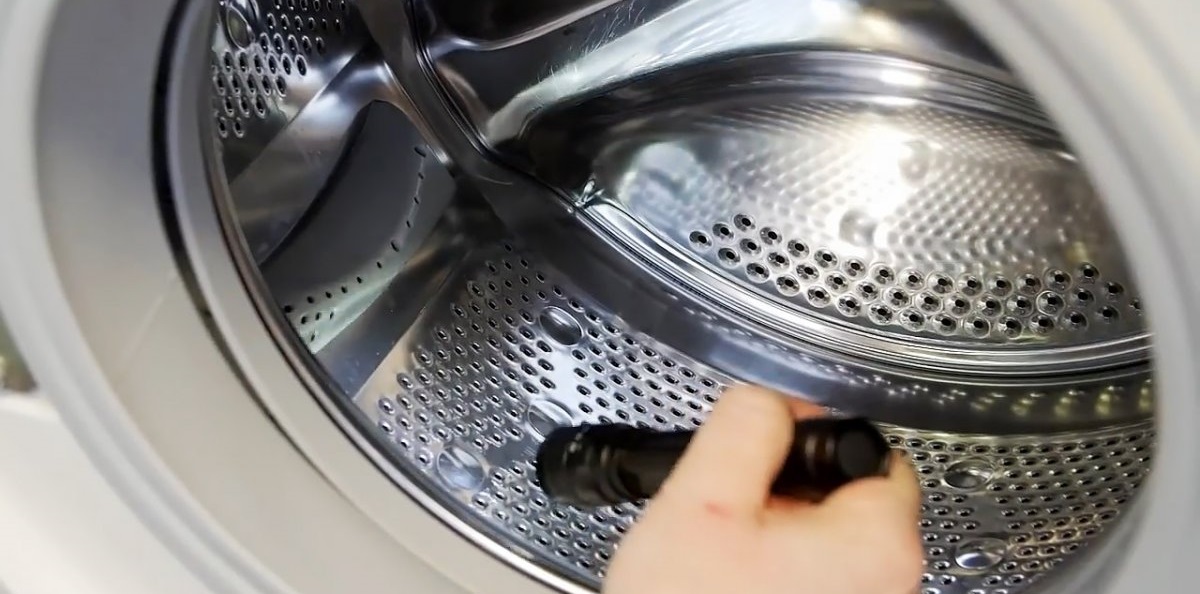
- The drum is jammed by a foreign object.
If you have problems with the spin cycle, do not use the washing machine - it is dangerous!
Almost all of the above problems can be resolved at home. You should only contact a service center in one case: problems with the control board. In other situations, fixing a non-functioning spin cycle is easy enough, as long as you proceed carefully and consistently. Step-by-step instructions and recommendations are provided below.
Did you choose the right mode?
Diagnostics begin with the dashboard. It's important to remember which program was running. More often than not, there is no breakdown – the user simply inadvertently turned on the no-spin mode. For example, Vestel shouldn't spin the drum during delicate and hand wash cycles, or when the selector dial is turned to the "Down," "Wool," "Underwear," and "Silk" positions. It's best to consult the manufacturer's instructions for the full list of buttons that don't spin.
The Child Lock feature allows you to lock the control panel to prevent accidental changes to cycle settings.
The second step is to check whether the spin cycle has been accidentally cancelled. Many modern Vestel machines allow users to adjust the drum speed down to "0." This will cancel the spin cycle, leaving the laundry wet. This can be easily verified: turn on the quick program, set the motor speed to maximum, and observe the washing machine. If the problem persists, continue troubleshooting.
The contents of the drum are not balanced.
The washing machine will not start the spin cycle if an imbalance is detected during drum rotation. Imbalances can be caused by overloading, underloading, or clumping of laundry. In such cases, the drum deviates from its intended path, causing the circuit board to cancel the cycle.
This problem typically occurs in Vestel models manufactured 5-10 years ago. Modern models use special sensors to monitor balance, and if there's an imbalance, they display an error code. An imbalance manifests itself as follows:
- After rinsing, the unit tries to spin the drum;
- each attempt to rotate is accompanied by a hum or knock;
- the car starts to "jump";
- spin is cancelled;
- the washing machine completes the cycle 7-15 minutes earlier;
- items in the drum remain wet.
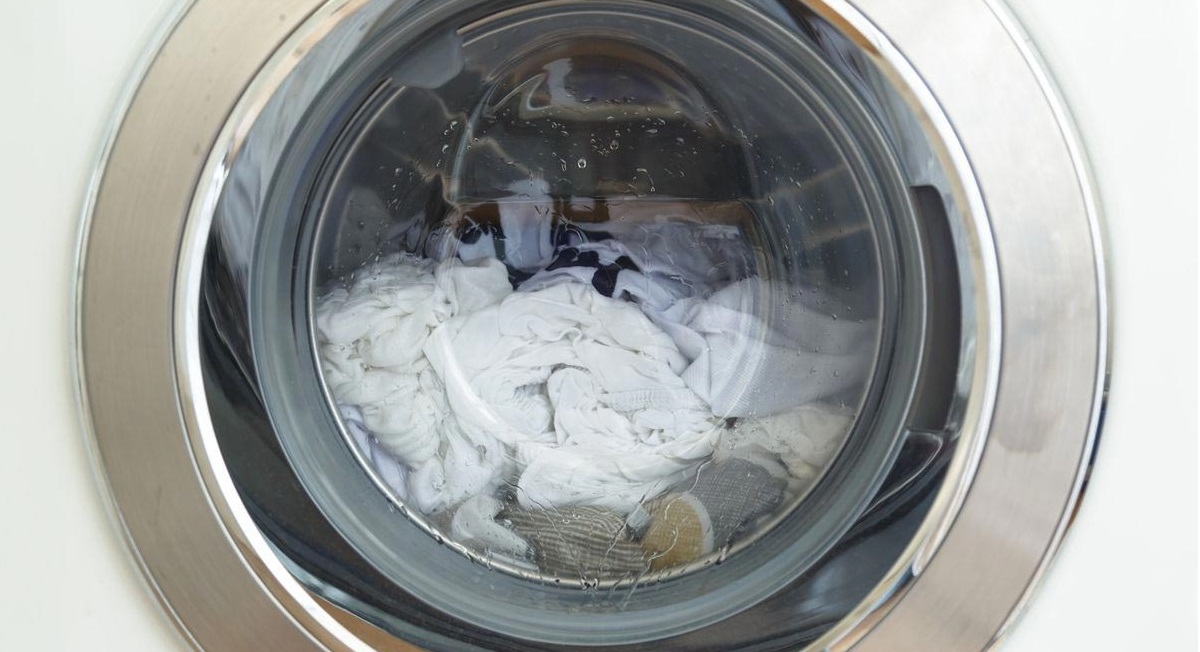
The instructions for correcting the imbalance vary depending on the situation. If there's too much laundry in the machine, simply open the door, remove some items, and restart the cycle. If there's too little laundry, reverse the process and add more items to the drum. Sometimes the problem is a clumped duvet cover: in that case, you need to break up the clumped duvet cover and distribute the fabrics evenly across the cylinder walls.
An imbalance not only prevents the spin cycle, but also poses a threat to the machine itself. “Jumping” and knocking of the drum against the walls of the housing damages the shock absorbers, shaft and bearings. It is better to avoid this situation, avoid clumping and remember the minimum and maximum load.
Engine dysfunction
The spin cycle will also fail if there's a problem with the motor. The explanation is simple: the motor can't reach the set speed, so the drum remains stationary. In this case, diagnosis and repair are essential – the motor must be removed and inspected. Here's the instruction:
- disconnect Vestel from communications;
- remove the back cover from the body;
- pull the drive belt off the pulley;
- find an engine;
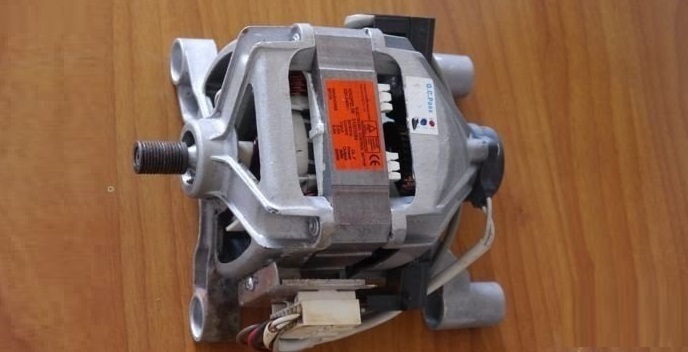
- free the motor from wiring and fasteners;
- rock it and remove it from the grooves.
We inspect the removed motor. Damage is usually immediately apparent—there's a burning smell, dark spots, and melted insulation. Sometimes the brushes need to be opened and replaced. In severe cases, sharpening the fins and checking the winding continuity is recommended.
Electronic "brain"
Worse, if the electronic unit is to blame. If the triac responsible for the motor burns out, the board doesn't initiate the spin cycle. The wash stops, and the laundry remains wet.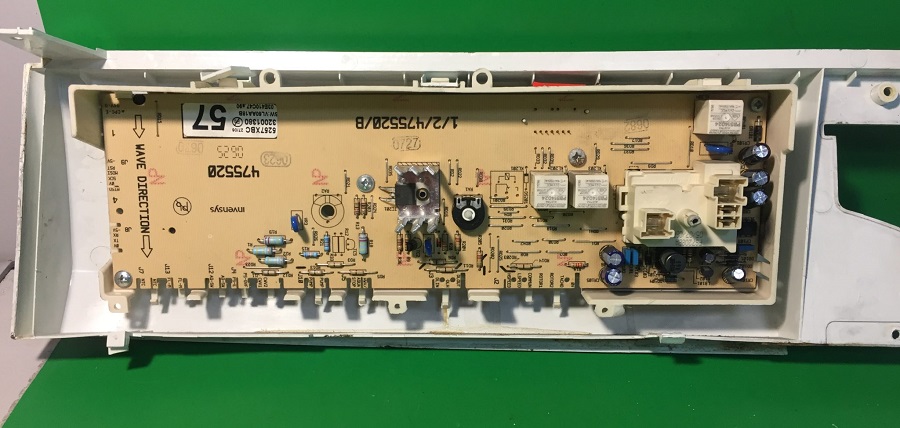
Don't try to check the circuit board yourself. It's best to contact a service center immediately. Remember that testing the unit is very difficult, and the slightest mistake will result in a fatal failure of the equipment.
Interesting:



Readers' comments
Headings
Washing machine repair




For buyers




For users


Dishwasher




Add a comment