
The washing machine turns on but does not start washing.
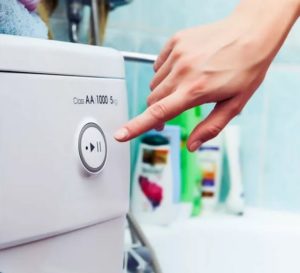 Common washing machine malfunctions include failures to start a wash cycle. In such cases, the washing machine starts intermittently or fails to respond to user commands at all. Broken door locks, faulty selectors, a motor, or electronic issues can prevent the machine from starting. Most problems can be repaired at home.
Closing sensor on the "vertical"
In top-loading washing machines, problems with starting are often caused by the door lock. This is a limit switch that prevents the control board from starting the wash cycle when the drum is open. On some models, this device is also responsible for filling the drum with water.
If the limit switch is broken, the module doesn't receive the enable signal, and the machine won't start. To fix this, the "lock" must be removed. To do this, we check the device for faults.
On vertical lifts, a faulty limit switch prevents the start.
The switch is located under the top panel of the washing machine. A special pin located on the loading door lid activates the safety interlock. If the drum is closed, the interlock is activated. If the machine doesn't start, check the following:
- is there any mechanical damage to the sensor device?
- Are the levers and other mechanisms of the “blocker” in good working order?
- Is the switch contact group stuck?
If the switch is activated, but water doesn't start filling the drum and the motor is silent, the "lock" is obviously broken. Therefore, you need to remove the device and check its functionality. Here's how to proceed:
- disconnect the washing machine from the power supply;
- we release the wiring from the switch terminals;
- We connect a multimeter to the blocker and measure the readings.
If the fault is confirmed, the old device should be removed and a new one installed. It is strongly not recommended to repair the switch by short-circuiting the contact group with a jumper. Such manipulations violate the conditions for safe operation of the washing machine and can lead to spontaneous combustion.
Hatch locking device
A front-loading washing machine won't start washing if the door lock is faulty. The door lock is built into the door frame (or the lock itself) and only locks when the door is fully locked. If the drum isn't closed tightly, the lock won't engage, and the wash won't start.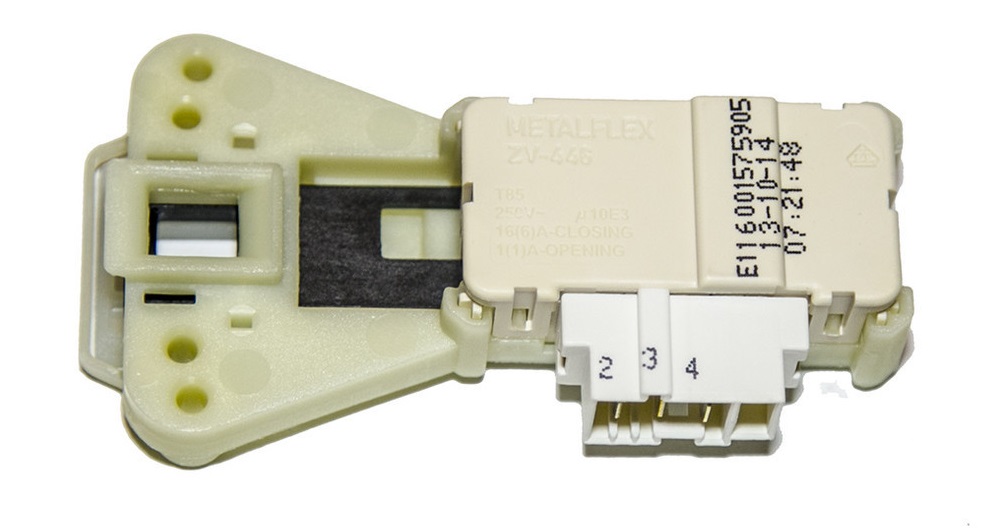
If the machine doesn't start, check the locking device first. Ensure the sensor is working properly and the contacts are intact. To do this, unplug the washing machine, remove the top cover, disconnect the wiring from the locking device, and remove the device from the housing. Then connect a multimeter to the locking device and measure the readings.
Checking selectors
A problem with the selector handle can also prevent the washing machine from starting. When the programmer is switched, the selector handle should extend and lock into place. If this doesn't happen, the desired mode isn't selected, and the machine won't start the cycle.
The washing machine does not turn on when the programmer is not working.
The selector is part of the timer, but that doesn't stop you from checking its functionality with a multimeter. Here's how:
- disconnect the washing machine from the power supply;
- remove the top cover of the unit;
- we study the electrical circuit of the device and find the timer contacts;
- We call contacts.
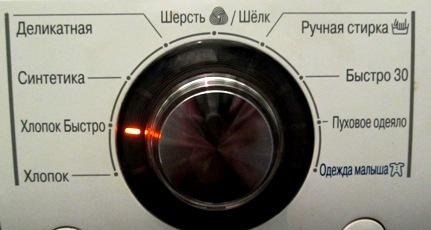
Modern electronically controlled machines are equipped with a digital programmer. This switch is not connected to the timer, but is integrated into the control board. Testing this device is more difficult: you need to connect the probes by pressing the "Start" button.
Engine problems
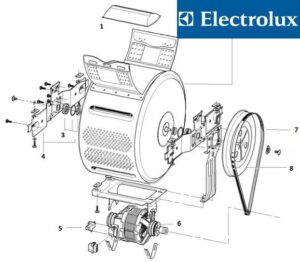
If the machine activates the door lock, fills with water, but does not start washing, then the problem is in the electric motor. The motor ensures the rotation of the drum, which enables washing, spinning and rinsing of the laundry. Some modern vertical models have a reversible motor that spins in both directions.
It's easy to suspect motor problems: the door lock engages, the machine makes noise, but the cycle doesn't start, and the drum doesn't spin. In this case, it's necessary to ensure the motor is working properly.
First, remove the drive belt and try starting the motor without it. For washing machines with direct drive, you'll need to temporarily disconnect the soft clutch. If the motor starts running without any parts removed, the problem lies in the drum shaft or pump.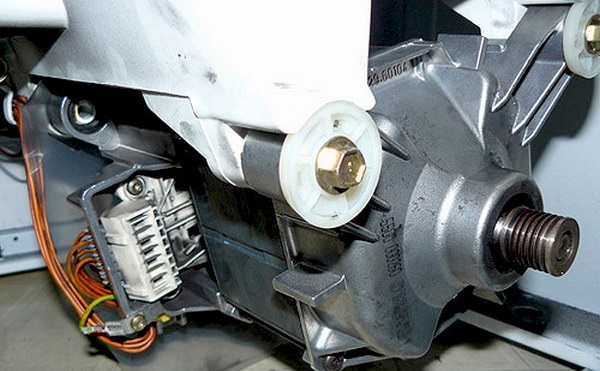
To confirm the nature of the failure, further diagnostics are necessary. Reconnect each mechanism individually and evaluate the motor's behavior. If the motor fails to rotate but hums while idling, it's best to remove the engine and replace.
If the washing machine hums but the drum does not spin, the cycle does not start because the motor is not working.
When diagnosing the motor, it's important to follow safety precautions. The motor operates under high voltage, and a current leak can cause serious damage. The washing machine's moving parts are also dangerous.
Such malfunctions are common in front-loading machines. Motor seizure can be caused by mechanical damage, manufacturing defects, or laundry getting stuck between the drum and the drum seal. In the latter case, there's no need to disassemble the washing machine; a thorough inspection of the door is sufficient.
Problems with electronics
Washing machines with intelligent controls are electronically controlled. The entire system is controlled and monitored by a control board, which issues commands to individual components, coordinating the machine's operation. If a short circuit occurs, the unit loses communication with the components and delays the machine's start.
The essence of such a message is similar to that of a manual timer. The only difference is in the scale and technological content.
You can understand the cause of the malfunction by deciphering the error code displayed on the washing machine display.
If there isn't sufficient voltage at the electric motor or pump terminals, at the intake valve coil, or in the UBL circuit, the board won't be able to initiate the exchange processes. The components won't receive the start signal and won't begin operating.
An electronic circuit board is a complex and sensitive mechanism. Diagnosing it at home without specialized equipment and experience is virtually impossible. The user can only visually check the unit for burnt-out devices and “tracks”. Thus, there are obvious problems with the controller if there are traces of fire or short circuit on the control panel in the form of dark spots, traces of burning and melted elements.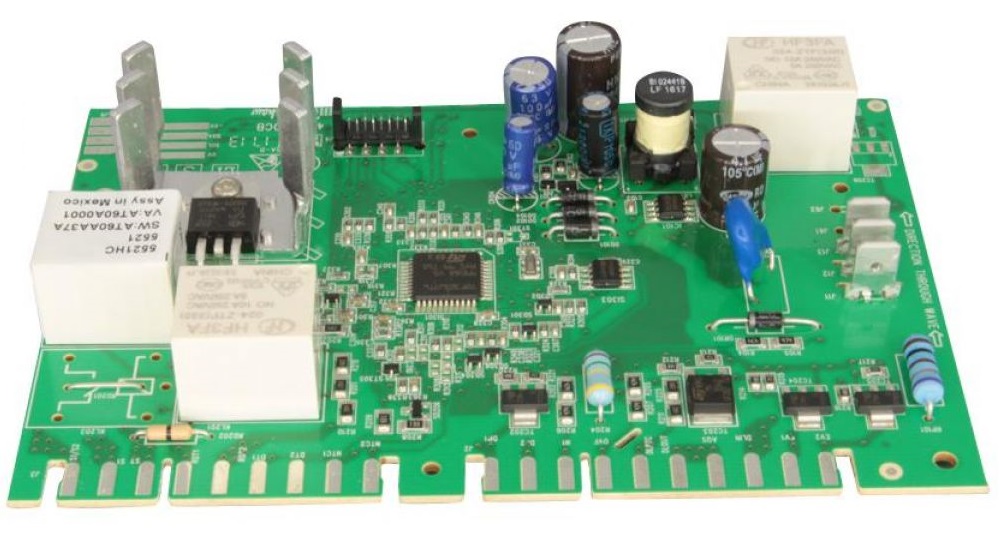
It's best to entrust the board diagnostics to professionals. If damage to the electronics due to a short circuit is detected, the unit will need to be replaced. The key is to take your time and troubleshoot the cause of the failure before connecting the new panel, otherwise the problem will reoccur.
Often, damage to a circuit board is caused by malfunctioning external components connected to the overall electronic circuit. If the problem is not identified, the electronics will suffer further damage.
However, a washing machine's failure to start doesn't always indicate serious problems with the motor, door lock, or circuit board. Often, a simple violation of the washing machine's operating instructions can cause a malfunction. For example, the machine often fails to respond to user commands for the following reasons:
- the maximum weight of laundry was exceeded when loading the drum;
- too much detergent has been poured into the detergent dispenser;
- the machine is not connected to the water supply correctly (or the inlet hose is pinched);
- there is no full access to the sewer system;
- there are problems with the power supply (no light, the power line is not connected correctly).
The washing machine does not turn on due to the drum being overloaded and the unit being incorrectly connected to the sewerage system, water supply and power supply.
If your washing machine won't cycle, you should postpone the wash cycle and conduct a comprehensive diagnostic. It's best to avoid experimenting and immediately contact a service center for professional assistance.
Interesting:
Readers' comments
Headings
Washing machine repair




For buyers




For users


Dishwasher




Add a comment