
Why does the washing machine turn off by itself?
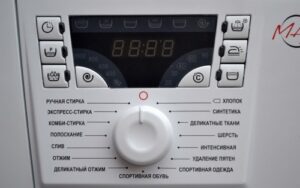 Sometimes, after starting a wash cycle, users discover that their automatic washing machine shuts off before completing the cycle. Repeated presses of the start button have no effect. What should you do in this case? Let's look at why washing machines sometimes shut off on their own. We'll discuss the most common causes and determine whether it's possible to "revive" the machine yourself.
What problems could have occurred?
Before attempting to fix the problem, you need to find out what exactly happened to the washing machine. Most often, the automatic washing machine switches off due to problems with the power supply. Without electricity, your "home assistant" simply can't function. Therefore, you should first check all the components responsible for powering the device.
When the washing machine turns off by itself, check all external and internal parts that provide power to the machine.
DIY repairs should begin with checking the obvious. First, make sure:
- whether the electricity supply to the house or room where the automatic washing machine is installed has been cut off;
- Is the socket where the washing machine is plugged in working?
- There is no damage to the machine's power cord and plug.
These types of problems are easy to fix yourself. There are other possible causes, too, such as:
- main control module failure;
- network key sticking;
- interference filter failure.
You can often fix the problem yourself. Sometimes, however, you may need to contact a service center (for example, if the control module is broken). In any case, you should start by diagnosing the washing machine.
We check the electrics
Most often, the reason for a washing machine suddenly shutting off is simple: a power outage. Flip the switch to make sure there's power in the room. Next, check the electrical panel; the fuses may have tripped.
Washing machines often shut off due to electrical overload when several high-power appliances are running simultaneously. Unplug the other appliances and restart the washing machine.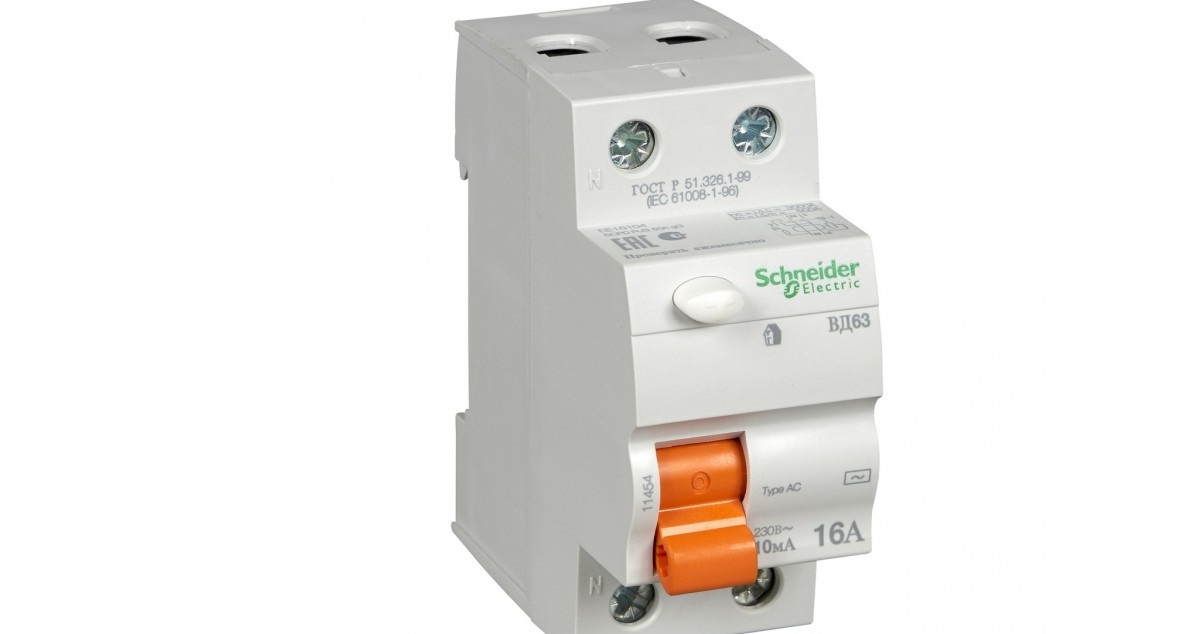
Sometimes the cause may be a tripped RCD. If the device detects high voltage in the power grid, it shuts off the washing machine. To restore the machine, the fault within the power grid must be repaired.
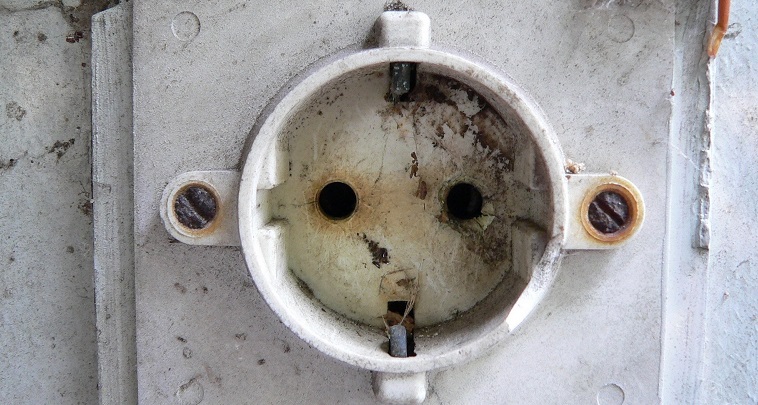
Next, inspect the outlet to make sure there are no burn marks or melted areas. If there are, the contacts are likely burnt out. The outlet will need to be repaired.
If the outlet appears normal, try plugging another appliance into it, such as a hair dryer or iron. If the appliance works, the electrical outlet is OK.
If you notice that an outlet is melted or has a burning smell, turn off the power to the room by flipping the switch on the panel and contact an electrician.
With the necessary experience and knowledge, you can repair a socket yourself. Typically, a socket melts due to a short circuit or damaged contacts. When replacing the housing, it's best to choose ceramic devices—they're stronger and better quality than plastic ones.
Noise suppression filter
If the power supply is fine and the outlet works, then the problem is in the washing machine itself. Automatic machine diagnostics are carried out from the simple to the more complex, starting with the network cable and interference filter, and ending with the control module. We'll tell you how to check the parts yourself.
The noise suppression filter is connected to the power cord. To check these components, you need to: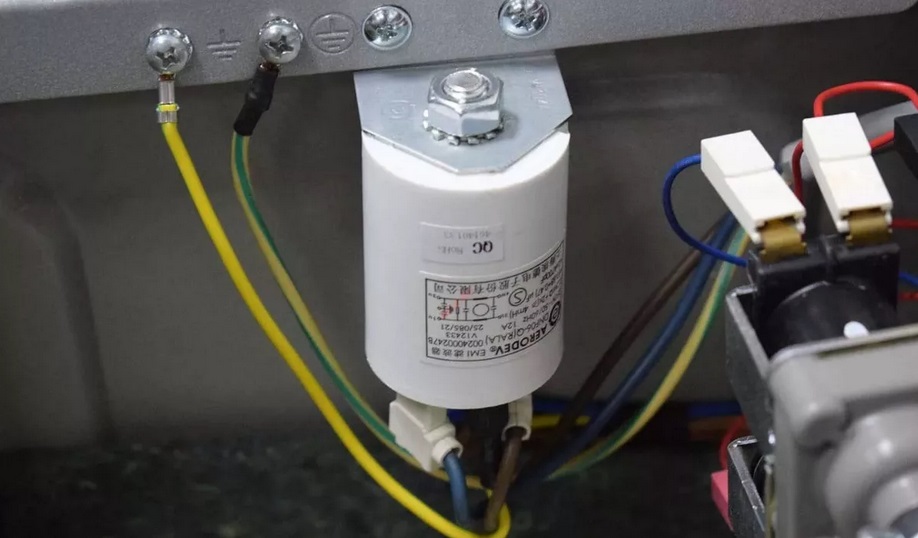
- de-energize the washing machine;
- turn off the tap that supplies water to the machine;
- Move the washing machine away from the wall and furniture to ensure free access to all sides of the body;
- remove the “top” of the washing machine by unscrewing the two bolts holding the lid;
- find the power filter (it is installed closer to the back of the case, where the power cord is connected);
- loosen the fastener that secures the power cord;
- remove the interference filter and the power cord itself from the housing.
Next, inspect the surface and plug of the cord. If there are no defects, check the wire with a special device – a multimeter. Set the tester to resistance mode and connect the probes together. The display should show zero, indicating the device is working properly and ready for use.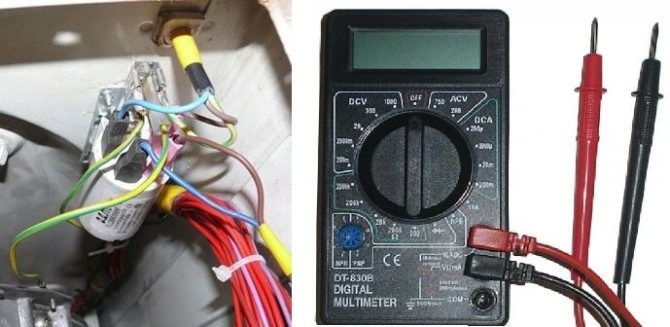
Set the multimeter to buzzer mode. Then, test the power cord's conductors with the tester. The tester will emit a characteristic sound when it detects contact between them. A faulty cord will be indicated by the device's silence.
It is strictly forbidden to test the wire unless it is pulled out of the socket.
If you discover a faulty cable, don't try to fix it with electrical tape or twisting. Otherwise, the short circuit may reoccur. It's safer and more reliable to purchase and install a new power cord.
The interference filter is also checked with a multimeter. The tester's probes, set to buzzer mode, are placed across the device's terminals. If a beep is heard, you can proceed to the next step—measuring the resistance. If the device displays 0 or 1, the FPS needs to be replaced. To replace it, you should purchase a noise suppression filter similar to the one you removed.
It's best to leave diagnostics and repair of the control module to specialists. Working with the electronic unit requires specific skills and knowledge. Otherwise, you could only make the situation worse.
Interesting:

Readers' comments
Headings
Washing machine repair




For buyers




For users


Dishwasher




Add a comment