
The Weissgauff washing machine does not spin.
 If there's still water in the drum at the end of the cycle and the laundry is completely wet, there's only one conclusion: your Weissgauff washing machine isn't spinning. Why might this happen? It's not always a malfunction; sometimes it's just due to user inattention.
Let's figure out why your washing machine might not spin. We'll tell you where to start troubleshooting. We'll explain when you can repair the machine yourself and when it's best to call a professional.
What problem caused the issue?
If you notice your washing machine has stopped spinning, it's best to immediately determine the cause. If it's a malfunction, the situation will only get worse over time. Therefore, don't put off diagnosing your washing machine.
So, the reasons why a Weissgauff washing machine may not spin are as follows:
- the user selected a program without spinning;
- the system detected drum imbalance;
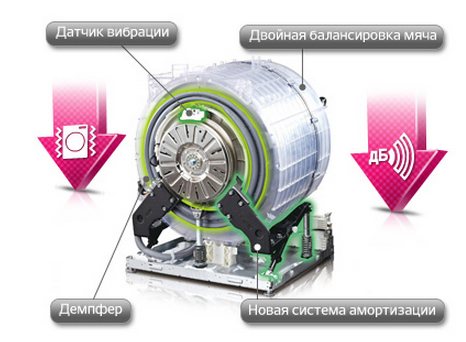
- the drain doesn't work;
- the electric motor is not working properly;
- the tachometer sensor is out of order;
- the bearing unit is badly damaged;
- the control module is failing;
- There is a foreign object stuck between the tank and the drum of the washing machine, blocking the rotation of the container.
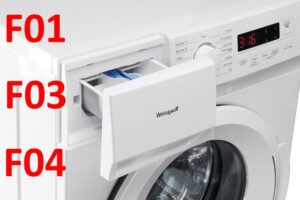
Modern washing machines display an error code corresponding to the malfunction.
Therefore, if the lack of spinning is accompanied by an error message on the display, decipher it. A description of each error code can be found in the equipment manual. Some combinations indicate problems with the drain, others with the motor, etc.
Most problems can be resolved on your own. A service center specialist will be needed if the problem lies with the electronic control module. Diagnostics are performed step-by-step. We'll explain where to begin.
Does the spin not work on all programs?
First, it's important to understand that this isn't simply a matter of user inattention. Perhaps the machine was set to a delicate cycle, which doesn't include a spin cycle. Or the user accidentally touched the touch button that activates the "No Spin" option.
Remember which program you last ran. Read its description in your machine's manual. It's possible that the program settings don't include spinning, or it's running at the lowest speed, which is why the laundry appears too wet.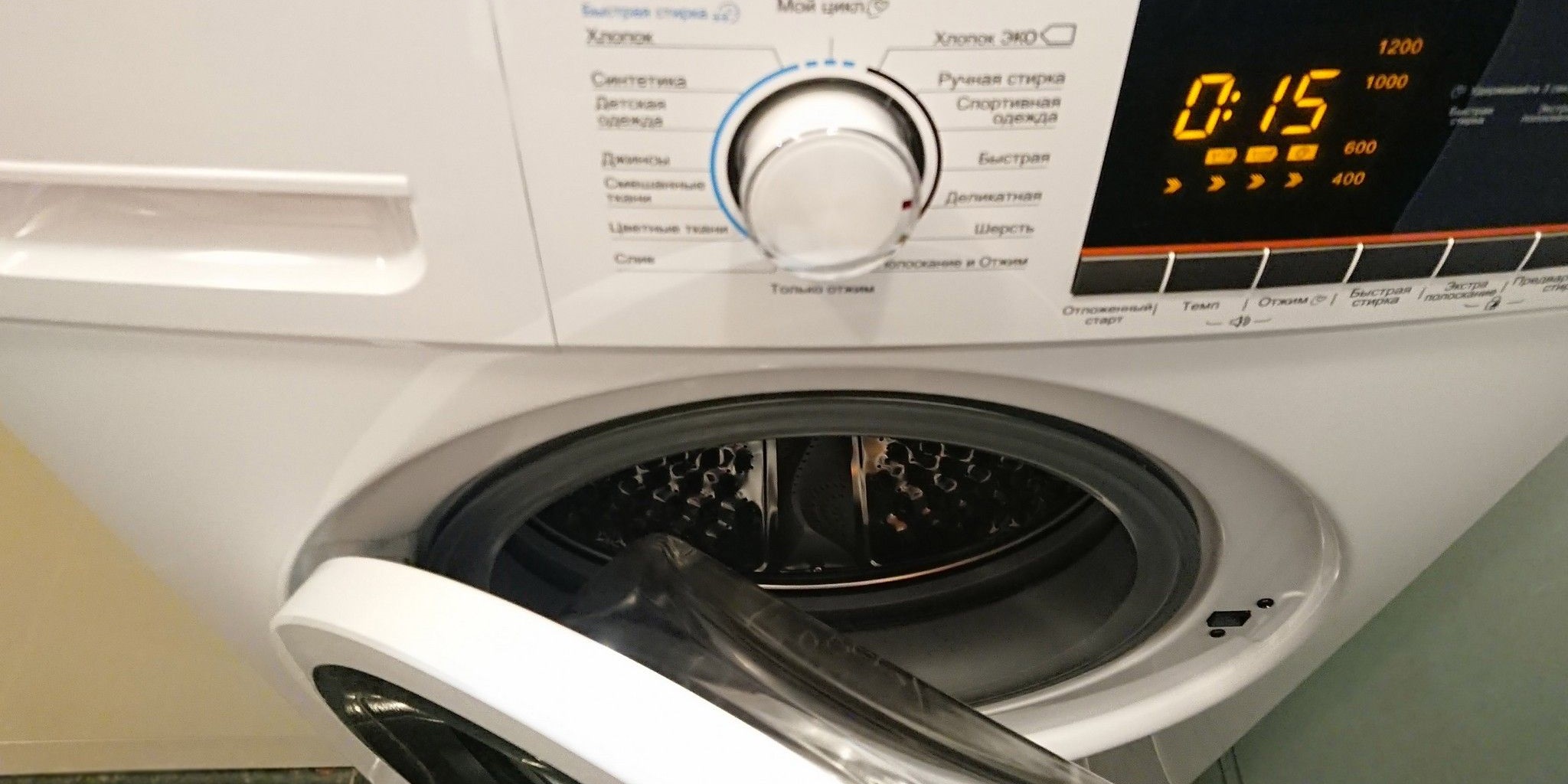
You should also check to see if the spin cycle has been accidentally canceled during a normal cycle. To do this, activate a test cycle. Select any short standard cycle on your machine, ensure the spin speed is set (at least 800 rpm), and start the wash.
The machine will likely spin the items and complete the cycle without issue. This means the issue was indeed a simple case of inattention. To prevent a similar situation in the future, it's best to lock the washing machine's control panel. This will prevent you from accidentally pressing any buttons.
The laundry got all tangled up in a ball
Sometimes the washing machine won't spin due to an imbalance. The system detects the unbalance and stops the cycle. Then, the clothes inside the machine remain wet.
What causes imbalance:
- overloading the machine with laundry;
- underloading (if there are few items in the drum, it is just as harmful as if there are too many);
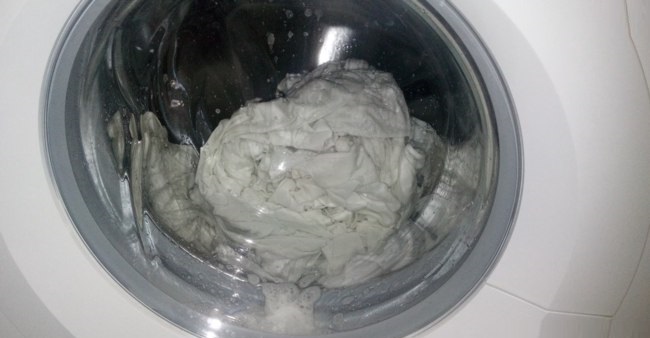
- uneven distribution of laundry inside the drum (in this case, items become lumped together and exert increased pressure on one side).
An imbalance is possible in older Weissgauff models; modern washing machines are able to prevent drum imbalance.
It's easy to suspect an imbalance. In this case, the machine will try to spin the drum several times without success. As a result, the wash cycle will end 10-15 minutes early, leaving the laundry wet. Machines with a display will display the corresponding error code.
What to do in such a situation? It's enough:
- wait until the washing machine door is unlocked;
- open the door;
- if overloaded, remove some of the laundry from the machine; if underloaded, add a few items to the drum; if the laundry is bunched up, distribute the clothes evenly inside the washing machine;
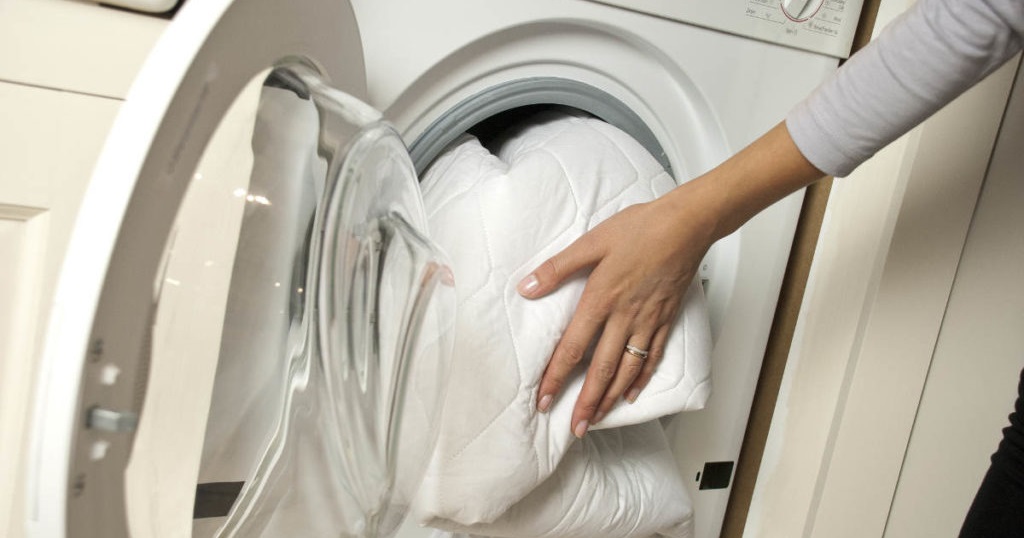
- close the hatch door;
- run the "Drain+Spin" option.
It's best to avoid drum imbalance. Imbalance adversely affects the shock absorbers, bearings, spider, and shaft. It's important to monitor the load weight of the laundry, taking into account both the upper and lower limits. For example, a Weissgauff 7 kg machine can wash at least 2 kg of items, while a 5 kg machine can wash at least 1 kg of clothing.
The waste does not drain from the machine tank.
If the washing machine stops with a full tank of water, there's a drainage problem. You'll need to check for a blockage in the system, the pump's operation, and whether the impeller is blocked. Diagnosing washing machine components follows a specific procedure.
First, disconnect the drain hose from the trap or drain pipe. Feel the entire length of the corrugated hose for blockages. If a blockage is detected, detach the hose from the washing machine body and rinse it under a strong stream of water.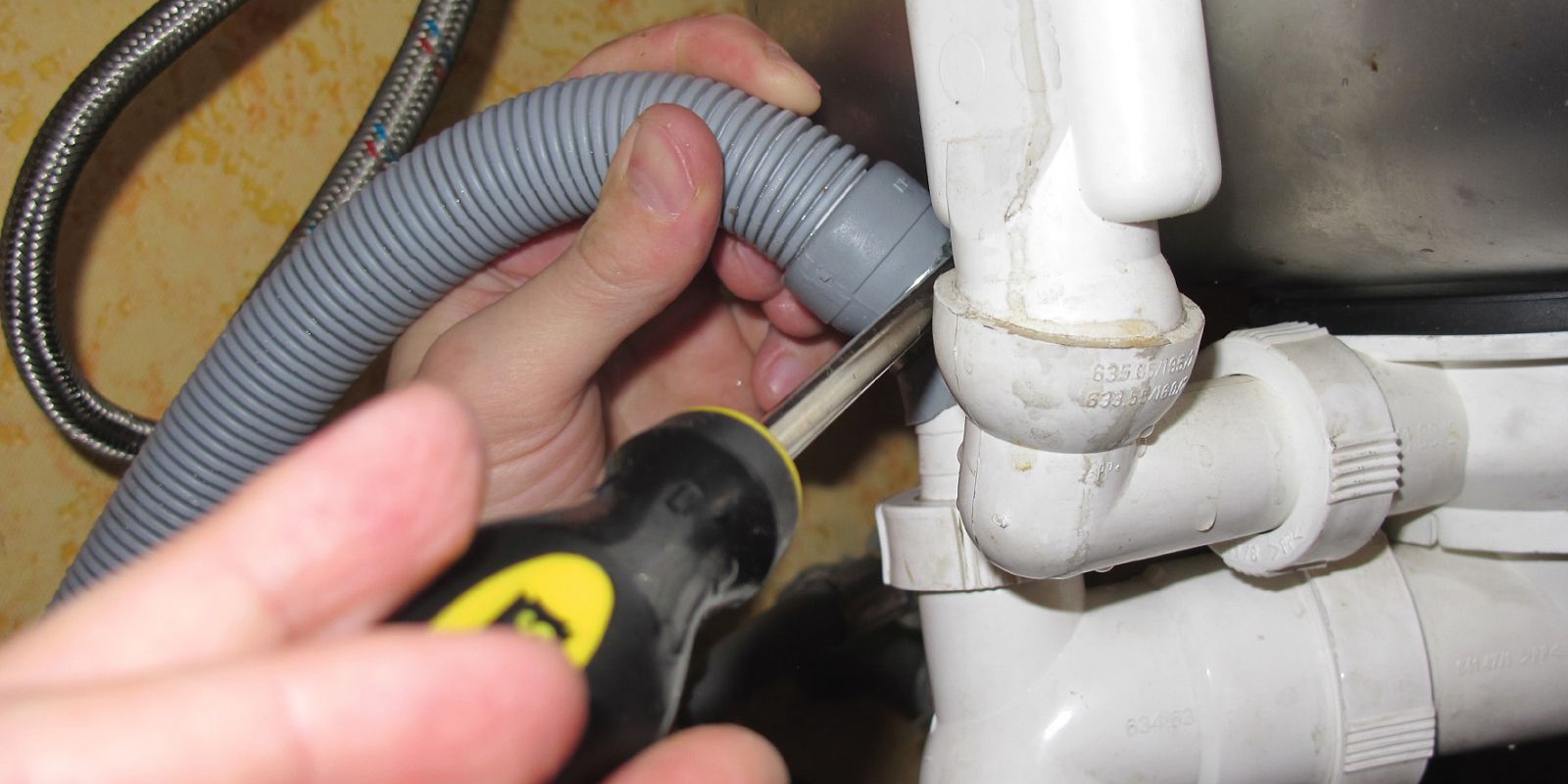
The problem could be a clogged drain pipe or trap. In this case, place the end of the washing machine's drain hose into a sink or bathtub. Then, run the "Drain + Spin" cycle. If the machine finishes spinning without any problems, the problem is truly external and not related to the washing machine.
The next item to check is the debris filter. It's located in the lower right corner of the Weissgauff machine. Open the door with a screwdriver, place a container under the machine to collect water, and unscrew the filter element. Clean the filter element and its mounting surface.
To check the pump, look under the washing machine. It should also be inspected for blockages. Often, the impeller is the problem; debris is blocking its rotation. Clean the impeller, and if that doesn't help, test the pump with a multimeter.
The tachometer sensor is acting up
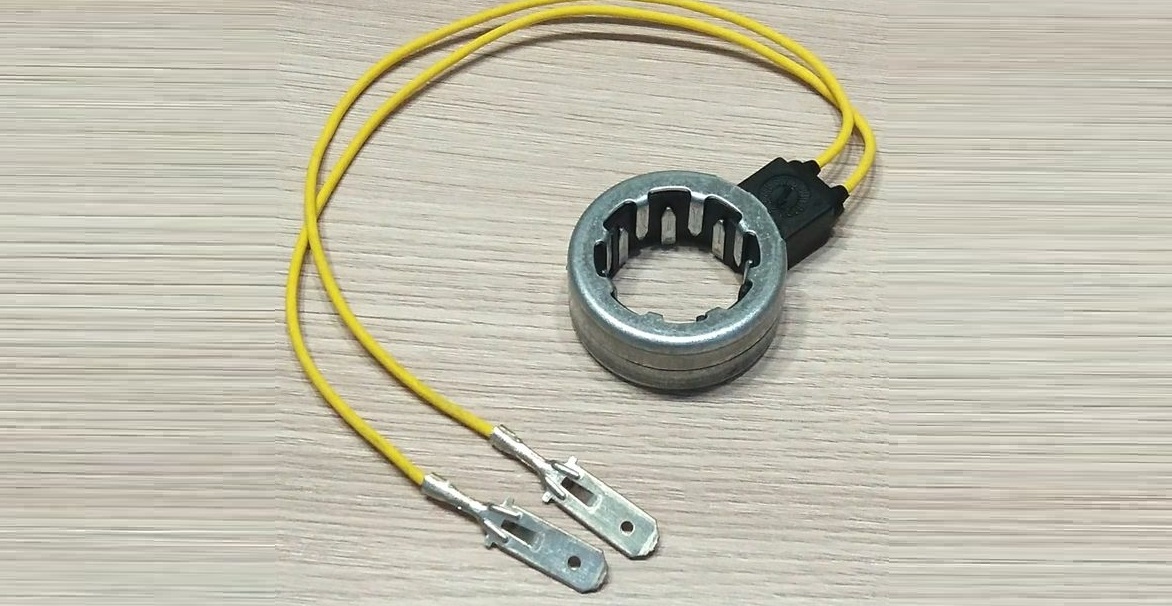
The washing machine will not be able to spin clothes if the tachogenerator is broken. The Hall sensor monitors the number of revolutions made by the electric motor and transmits this information to the control module. If it is faulty, the operation of the automatic machine is disrupted.
If the tachogenerator fails, the washing machine's "brain" does not receive information about the engine's operation and, for safety reasons, reduces the electric motor's power.
This type of breakdown can be caused by:
- regular exceeding by the user the maximum loading weight of the washing machine;
- long-term use of the Weissgauff washing machine without stopping;
- loose element fastenings;
- damaged wiring or oxidized contacts;
- short circuit;
- power surge.
First, inspect the wires connected to the tachogenerator for defects. Check for loose contacts. If they are corroded, clean them. Next, test the Hall sensor itself with a multimeter. If the measurement results do not meet the specifications, the part will need to be replaced; the tachogenerator cannot be repaired.
The engine lacks power
In some cases, the motor's power alone isn't enough to spin the drum to the required speed. With commutator motors, slowdown occurs when the brushes are worn out—there's enough power for the wash and rinse cycles, but not for the spin cycle. If all cycle stages are difficult to complete, the motor winding may break.
To check the electric motor, you'll need to remove it from the machine. To do this:
- de-energize the washing machine, disconnect it from the water supply and sewerage system;
- remove the back panel of the Weissgauff case;
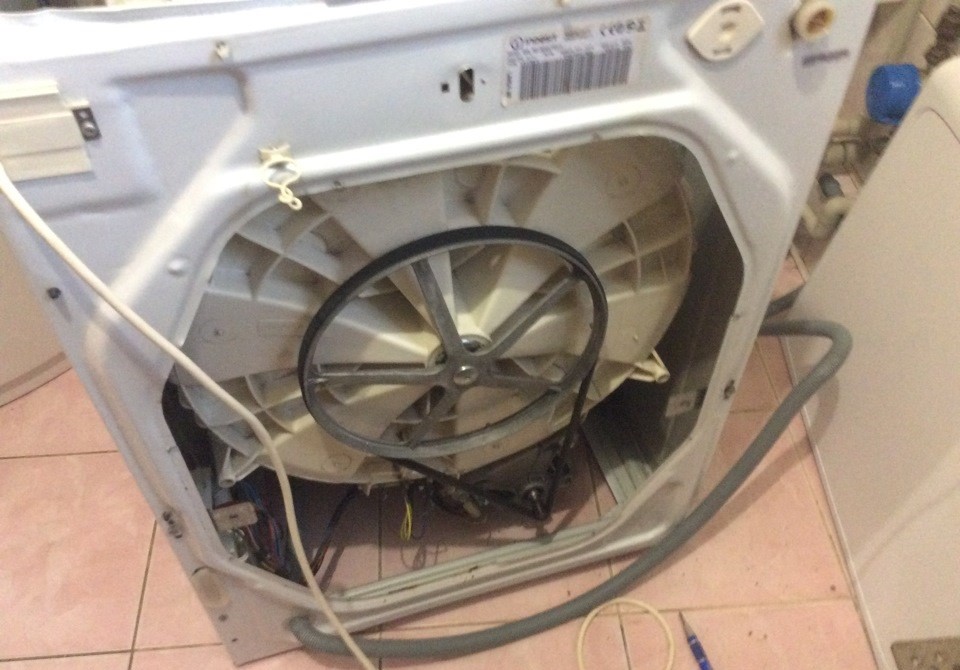
- remove the drive belt from the pulley;
- loosen the engine clamps;
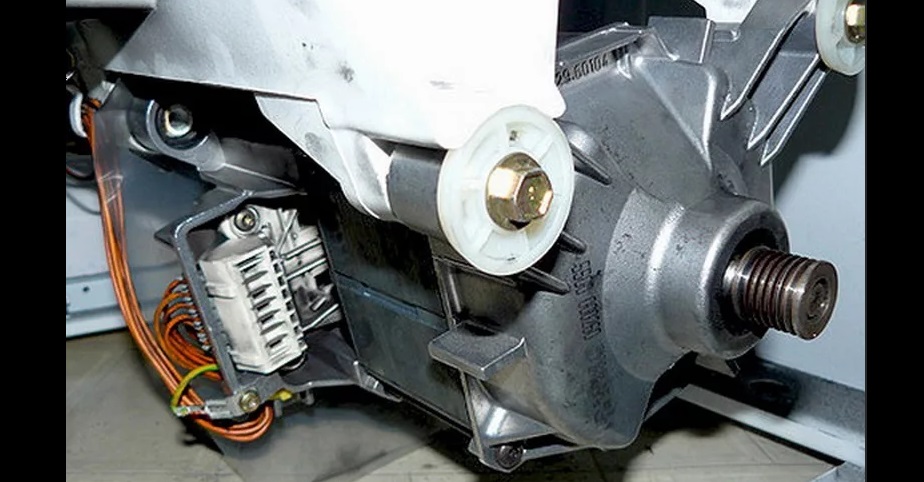
- rock the motor and pull it out of the grooves.
Afterwards, wipe the motor housing with a cloth and inspect it for defects. Check the brushes for wear; if they are severely worn, replace the carbon rods. Test the coils with a multimeter. A burnt-out motor will emit an unpleasant odor and have dark spots on its surface. In this case, the element will need to be replaced.
The electronics are to blame for the malfunction
The most frustrating problem is when the electronics are at fault. In this case, the semiconductor responsible for the spin cycle burns out on the circuit board. Because of this, the motor doesn't receive the command to accelerate and can't spin the drum to the required speed.
It is better to entrust diagnostics and repair of the electronic control unit to specialists.
Repairing the control module yourself is not recommended. Lack of knowledge and experience can only make the situation worse. A new unit is expensive; it's cheaper to hire a service center.
Bearing unit
Over time, Weissgauff washing machines can develop bearing failure. There are several signs of this failure. If the bearing assembly is damaged, a loud rattling and knocking noise will be heard during the cycle, rusty stains will appear on the drum where the shaft is located, and problems with the spin cycle will also occur.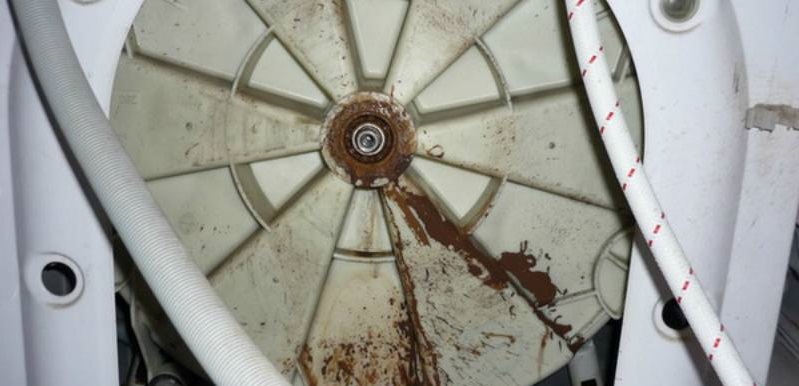
The repair of the washing machine will consist of replacing bearings and sealsYou'll have to almost completely disassemble the washing machine and remove the tank. Then the plastic container will split in half—the metal rings are "hidden" inside.
To remove damaged bearings, you'll need a bearing puller. It's also a good idea to have WD-40 on hand. New components are selected for the specific Weissgauff model, based on the washing machine's serial number.
Before attempting such a repair, it's worth realistically assessing your capabilities. The work ahead is quite complex and labor-intensive. There's a high risk of breaking a wire, damaging a hose, or removing a part carelessly during disassembly. A technician's services won't be cheap either—usually, the cost of such a procedure is a third of the price of a new washing machine.
Interesting:


Readers' comments
Headings
Washing machine repair




For buyers




For users


Dishwasher




Add a comment