What should you do if your automatic washing machine isn't filling with water? What could be the cause of the malfunction? Which components of your Whirlpool washing machine should you check first? Let's take a look.
Let's determine the range of possible malfunctions
There are several reasons why a washing machine won't fill. This could be caused by anything from a simple clogged pipe to a damaged control board. However, some malfunctions in Whirlpool washing machines are more common than others. If you notice that the drum isn't filling, you should check the following:
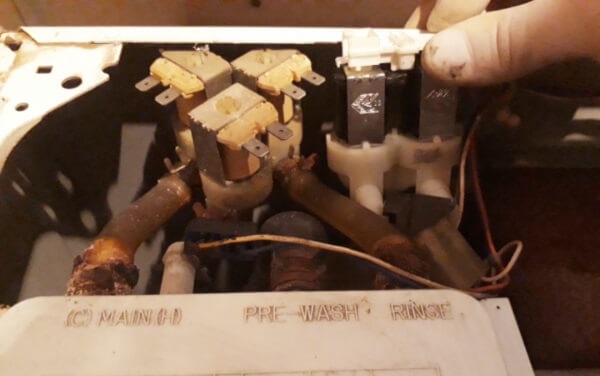
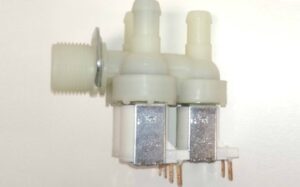
Inlet valve. In most cases, you can confirm this by opening the detergent drawer. If you see unwashed, dry granules in the container, you should begin diagnosing the water intake valve. To do this, apply 220 volts to it. If you hear a distinctive click, the element is working properly. Otherwise, it will need to be replaced. Installing a new part is easy, without the help of a professional.
Inlet filter. The main symptom of a clogged filter is excessive buzzing when the Whirlpool washing machine tries to fill with water. When the filter element is clogged, liquid does not enter the system. Cleaning the filter will help;
Level sensor. If the pressure switch is malfunctioning, it may send a signal to the main control module that the tank is full when the tank is empty. This "brain" blocks the water supply, preventing the wash cycle from starting. Diagnosing the problem is very simple: remove the top cover of the Whirlpool washing machine and locate the component (it's a plastic "washer" with a downward-facing tube). To check the level sensor, you should disconnect the tube from it and blow into it. A functioning pressure switch will click several times. Sometimes the hose becomes clogged, and this "blowing out" helps restore the part's functionality;
Electronic module. Although rare, a damaged control board can be the cause of the malfunction. Burnt-out resistors or circuits cause the "brain" to misinterpret received signals and issue incorrect commands. This causes the machine to freeze while still filling with water. Repairing the main unit requires specialized knowledge and tools, so it's best to call a professional.
Pump. A burnt-out pump can't signal the system's "brain" at the very beginning of the wash cycle that it's ready to drain the system. Therefore, the electronic module "slows down" the wash cycle, preventing it from starting. Diagnostics of the component will be required, and if a fault is detected, the unit will need to be replaced.
Heating element. A damaged heating element may be preventing the wash cycle from starting. The tubular element will need to be checked.
In most cases, an automatic machine does not fill with water due to a faulty inlet valve or a broken level sensor.
Less commonly, the cause is a clogged mesh filter or a burnt-out pump. Rarely, the tank fails to fill due to a damaged control board. When performing diagnostics, be sure to also inspect the pipe connecting the tank to the pressure switch. If the pipe is defective, it may be the cause of the level sensor malfunction.
Sometimes the cause is a faulty door lock. When the door doesn't lock, the Whirlpool washing machine won't draw water. The door lock can be checked with a multimeter. If damage to the locking mechanism is detected, it's essential to replace the element.
Publicly available diagnostics
If you notice that your washing machine doesn't fill with water after starting a cycle, don't panic. Analyze the situation and decide what to do first. If your Whirlpool washing machine is under warranty, don't open the case and attempt repairs yourself—it's best to contact a professional. Our service center technicians will diagnose the machine and perform any necessary repairs free of charge.
If you disassemble the machine yourself, the warranty will be void, and you won't be able to count on a free consultation or repair.
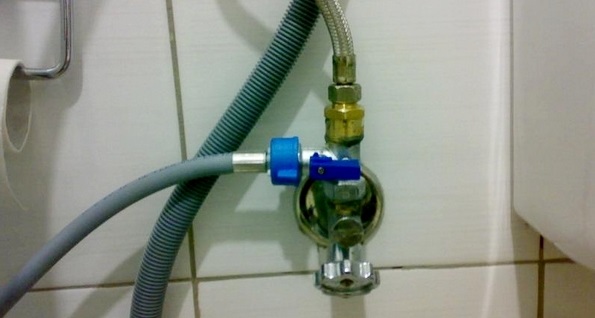
First, make sure there's water in the house. It's possible the utility company has temporarily shut off the service, and the problem has nothing to do with the machine. Also, check that the shutoff valve isn't closed. Finally, check that the door lock is working and the door is securely closed.
If everything is fine and the washing machine isn't filling, you need to take further action. The causes should be eliminated one by one, from the simplest to the most complex. Before starting diagnostics, be sure to de-energize the washing machine and close the shut-off valve.
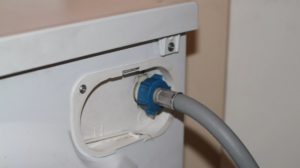
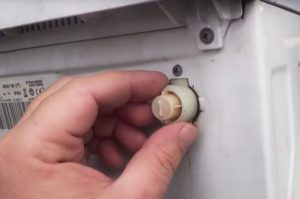
The inlet hose is checked first. Disconnect it from the washing machine and water supply, inspect the surface for damage, and rinse it with water under pressure. Next, ensure the inlet filter is clear of debris.
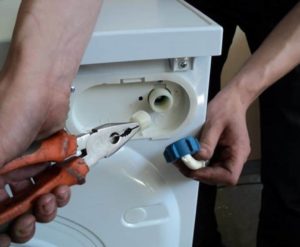
To check the mesh filter, you should:
detach the inlet hose from the unit;
inspect the inlet solenoid valve, find the mesh;
Use pliers to remove the filter (grasping the small protrusion);
clean the mesh with a toothbrush and a needle, rinse in warm water;
put the filter element back.
It's also a good idea to inspect the other filter—the deep cleaning filter. It's installed immediately after the shutoff valve. The mesh is prone to scale buildup, as most impurities settle there. To remove the filter element, you'll need two wrenches. One should hold the joint, and the other should tighten the retaining nut. The removed filter should be cleaned with a brush and rinsed under high pressure. Once completed, check to see if your Whirlpool washing machine has recovered.
Is it really the inlet valve and the heating element?
The most common reason for water insufficiency is faulty inlet valves. These cannot be repaired; damaged parts must be replaced. If the problem is with the solenoid valves, follow these steps:
unhook the inlet hose from the washing machine and drain the water from the corrugated pipe;
remove the housing cover by unscrewing a couple of bolts that secure the “top”;
take a photo of how the contacts are located on the coil;
disconnect the wiring from the sensor;
Use pliers to detach the hoses from the terminals. Be careful, as there is always water in the tubes;
remove the screw that holds the valve;
remove the intake element;
install a new valve, secure with a screw;
restore the hoses to their original position;
connect all wires to the contacts;
Make sure that the components are securely fastened in their places;
put the top panel of the case back and secure it with screws;
Insert the inlet hose back into place.
After replacing the appliance, you should test your Whirlpool washing machine. Plug it in, open the shutoff valve, and run a test cycle with the drum empty.
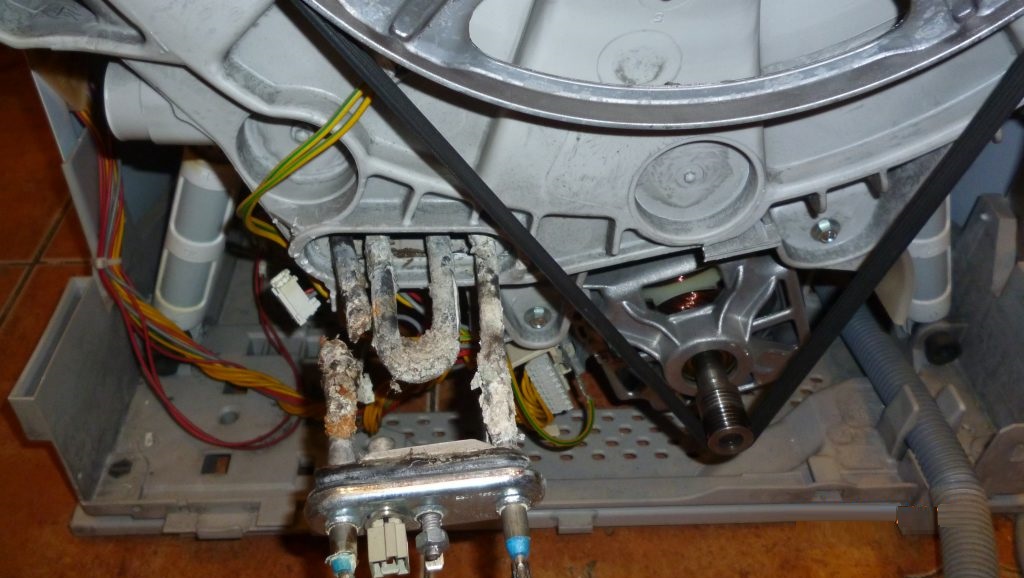
If the problem isn't a clogged hose, filter, pressure switch, inlet valve, or hatch lock, you need to check the heating element. A multimeter is required for diagnostics. A heating element that is affected by scale can cause problems for the normal functioning of the washing machine. Whirlpool.
What should you do in this case? The procedure for replacing the heater is as follows:
Remove the "top" of the case. To do this, unscrew a couple of bolts at the back and remove the cover;
Unscrew the screws securing the back panel. Remove the back panel of the machine;
find the heater – it is located under the tank;
Using pliers, disconnect the temperature sensor contacts and the ground wire from the heating element;
It is advisable to take a photo of the wiring diagram to avoid mistakes during reassembly.
loosen the center nut;
grab the tubular heater and, gently rocking it, remove it from the “nest” together with the rubber gasket;
lubricate the rubber with liquid detergent and put the seal back into the recess;
insert the new heating element into the “nest”;
connect all wires, ground, thermostat;
assemble the body.
If all the above steps are unsuccessful, the problem may be a damaged control board. Call a specialist to diagnose the module. It's best not to attempt repairs to the main electronic module yourself unless you have sufficient experience and skills. Otherwise, you could cause further damage to the washing machine.

 What should you do if your automatic washing machine isn't filling with water? What could be the cause of the malfunction? Which components of your Whirlpool washing machine should you check first? Let's take a look.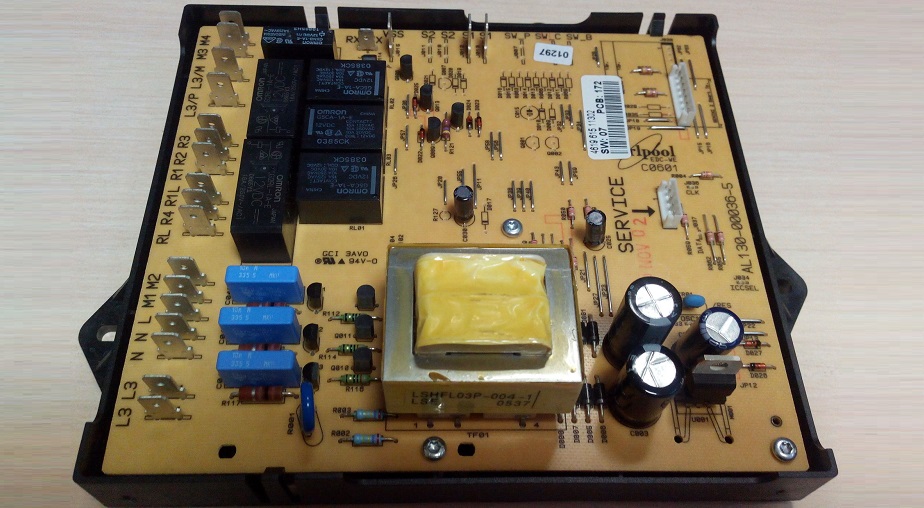















Mine wouldn't start, so I went through everything according to the inventory. It turned out the brushes on the motor were worn out.