
My Whirlpool washing machine won't drain.
 When a Whirlpool washing machine gets stuck with a full tank and can't drain, it's quite a frustrating situation. The cycle ends prematurely, leaving items trapped inside the machine. The user will need to not only figure out the cause of the problem but also gain access to the laundry. Let's look at how to empty the "home helper" and where to begin troubleshooting.
We are looking for a problem
If your washing machine doesn't drain, you'll need to figure out what caused the malfunction. The reasons may vary, from a clogged sewer pipe or debris filter to a broken control module. To quickly identify the problem, try to remember at what stage of the cycle the washing machine “stuck”.
Modern Whirlpool automatic machines can help troubleshoot problems. After launching the self-diagnostic system, the system will check each component and display a fault code. The error code can be deciphered using the equipment manual.
Thanks to the self-diagnostic system, modern automatic Whirlpool machines are able to independently identify a malfunction.
We'll tell you what might be the reason for a non-functioning drain.
- External blockage. In this case, we're talking about a clogged sewer pipe or trap.
- Internal blockage. Foreign objects caught in your Whirlpool washing machine can clog the drain hose, debris filter, or pump.
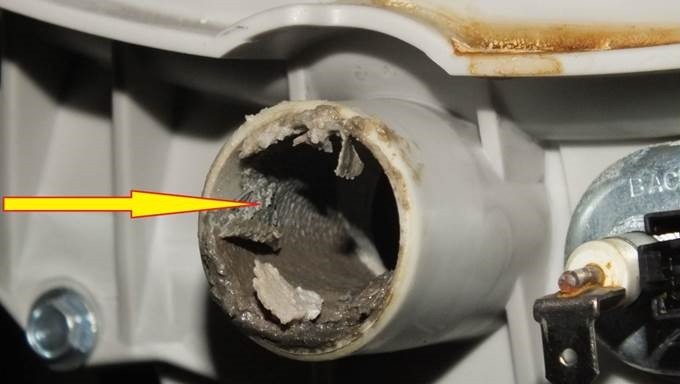
- A faulty drain pump. A characteristic humming sound will indicate this type of malfunction. This could be due to either a broken pump or a clogged one. Often, the impeller itself becomes blocked, preventing drainage.
- Main control module failure. Modern washing machines are very sensitive to power surges. A strong surge can cause the electronic module to fail. In this case, the "brain" won't be able to signal the pump to begin pumping water.
- The drain hose is too long. Whirlpool automatic washing machines are equipped with a standard pump. Its capacity is designed for a specific length of the corrugated hose—up to 1.5 meters. If you connect a 2-3 meter hose to the machine, the pump simply won't be able to handle the load and won't be able to drain the water from the drum.
If your machine isn't draining, check to see if the "No Spin" feature was activated. You may have run a delicate cycle, causing the washer to stop with a full tank of wet laundry. In this case, simply select the desired cycle and wait for your "home helper" to finish.
Before starting the diagnostics, your Whirlpool washing machine must be emptied. We'll show you how to drain the water from the drum and remove the laundry yourself.
We remove accumulated water
Before performing diagnostics, empty the machine. If the automatic drain doesn't work, you'll need to remove the water from the tank manually. This can be done either through the drain hose or by removing the debris filter.
Many Whirlpool automatic machines don't have check valves, so you can drain the drum by lowering the drain hose below the level of the tub. This position will allow the water to drain by gravity. Just remember to place a basin under the running water.
Some Whirlpool models have a special hose for emergency water drainage, the outlet is located next to the debris filter.
If the drain is carried out through a "garbage bin", the algorithm of actions is as follows:
- de-energize the washing machine;
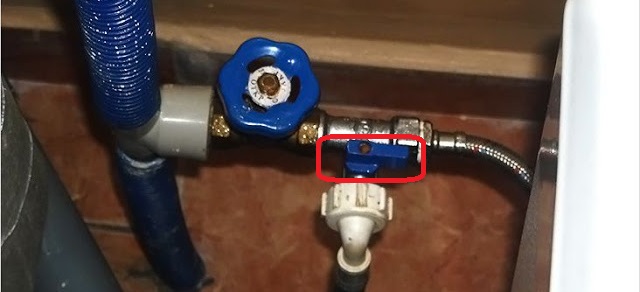
- close the shut-off valve that controls the flow of water into the washing machine;
- prepare a shallow bowl to collect the liquid;
- cover the floor around the car with dry rags;
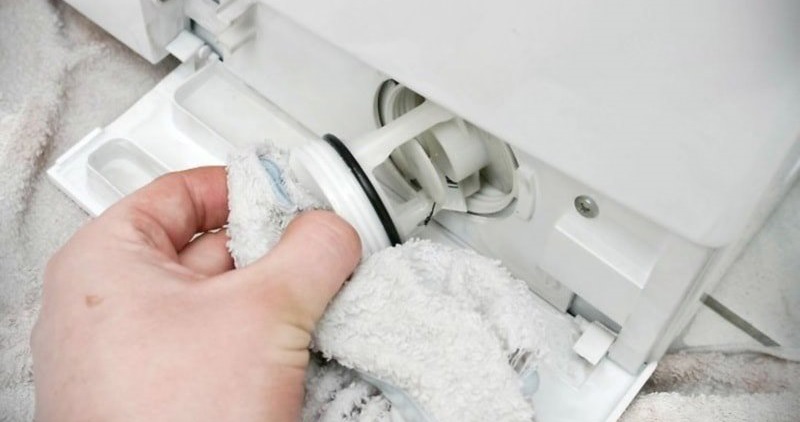
- open the service hatch;
- place a basin under the washing machine, in the location of the drain filter;
- unscrew the "trash can" from left to right;
- remove the cork;
- wait until the water drains into the basin.
If you've removed the debris filter and no water is coming out, the drain hose leading from the tank to the pump is clogged. Wiggle the hose; fluid may start to leak out. If not, you'll need to disconnect the hose and rinse it under warm running water.
Troubleshooting steps
After draining the water, you can begin troubleshooting your Whirlpool washing machine. Make sure the machine is de-energized and disconnected from the water supply. First, inspect the drainage system components.
We will tell you in what order it is recommended to check the elements of the drainage system.
- The debris filter and its mounting location. Unscrew the plug, rinse the filter element, and clean out any debris from the opening.
- The hose connecting the tank and the pump. Feel the hose with your hands; if you find a blockage, unhook the tube and rinse it under running water. Then return the element to its original position.
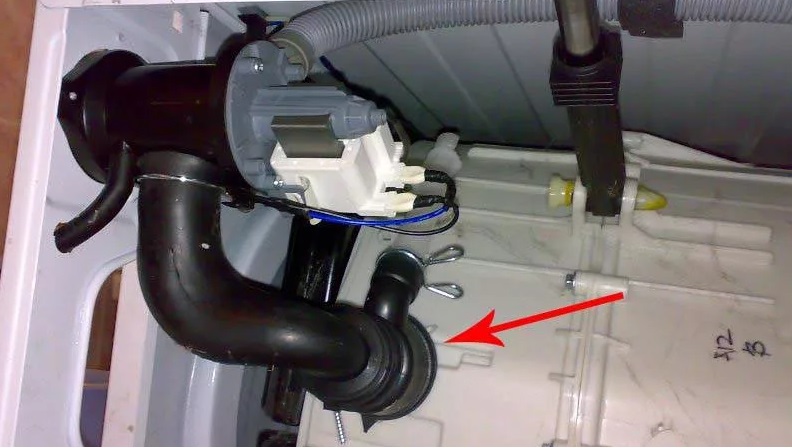
- Drain pump. You can check the impeller's operation through the hole created by removing the debris filter. If hair or threads are caught on the blades, be sure to remove the debris.
A cursory inspection of the pump is often insufficient. Experts recommend further testing by running the "Spin" cycle and observing its operation. If the washing machine hums but the impeller doesn't spin, the pump is faulty.
Typically, the drainage system on automatic Whirlpool machines does not work due to clogged drainage system components: filter, pipe or pump.
Sometimes you might notice that the machine runs in the "Spin" mode, but not in the "Drain" mode. This is a common problem with older Whirlpool washing machines. The washing machine's mechanism weakens and can't generate the necessary magnetic field. This causes the pump to lose power and can't handle the load, resulting in no draining.
The pump is broken
If your washing machine starts humming when it drains, but the water still doesn't drain, the pump is most likely the problem. You can confirm the pump's fault with a multimeter. Measure the resistance between the contacts with a tester and compare the measured value with the standard value.
It is not practical to repair the part. If the drain is not functioning due to a broken pump, the pump will need to be replaced. Installing a new element is very simple, even for a novice. Follow these steps:
- de-energize the automatic machine;
- disconnect the washing machine from the water supply;
- lay a blanket on the floor;
- Place the Whirlpool washing machine on its left side (it is important not to place the machine on the right wall, otherwise the control board may be flooded with water accumulated in the dispenser);
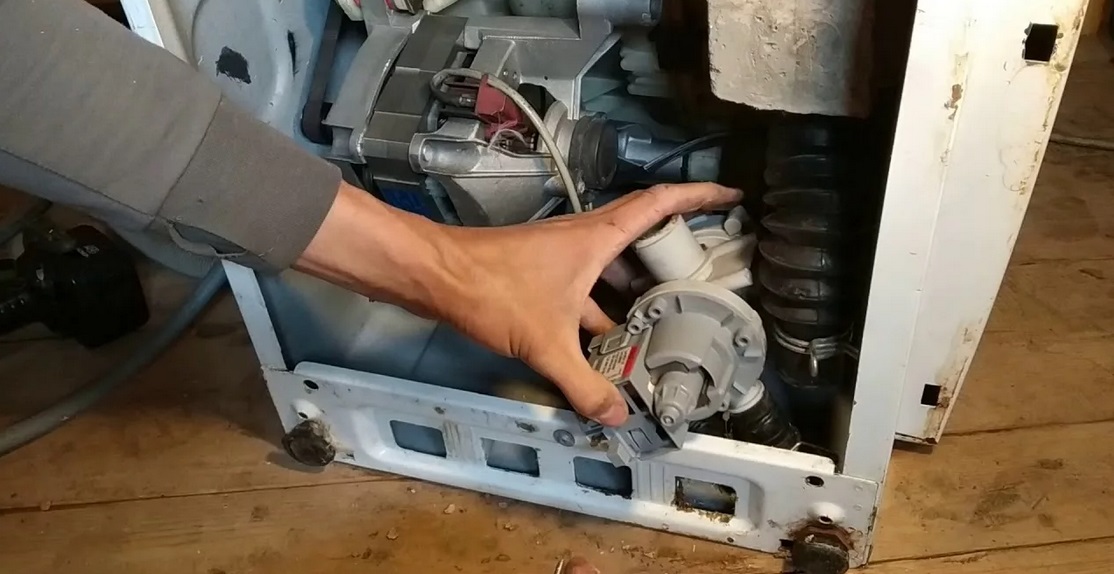
- remove the tray (if any);
- find the pump;
- unscrew the screws securing the pump;
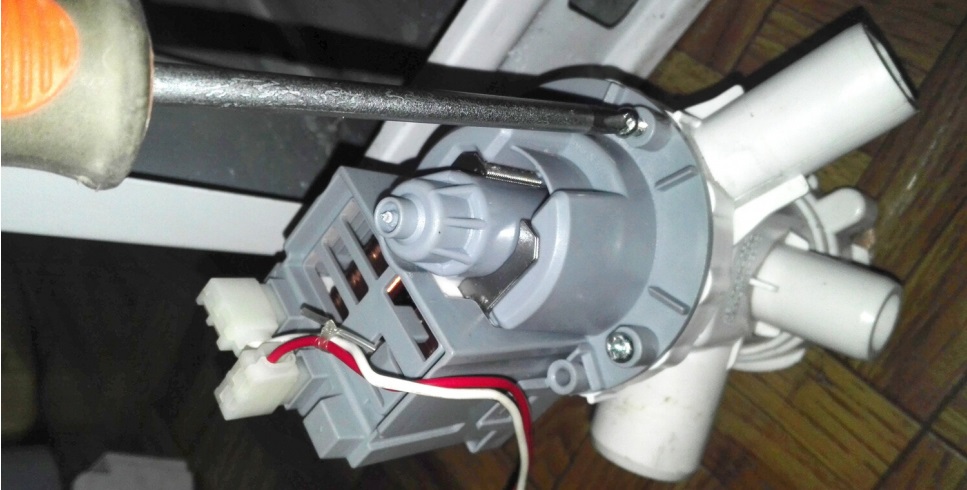
- remove the wiring, remembering the connection diagram of the contacts;
- remove the old pump from the housing;
- install the new pump by inserting it into the grooves;
- reconnect the wires;
- secure the pump with bolts.
When purchasing a new drain pump, be sure to check the model and serial number of your Whirlpool machine. Even better, remove the old pump and bring it to the store as a sample. This way, you can accurately select the replacement part.
After installing the new pump, lift the machine, connect it to the water and power supply, and run a test cycle. If drainage fails, you'll need to contact a service center. A damaged control module is likely the cause. Repairing a Whirlpool washing machine's electronics yourself is risky; you'll need a professional.
Interesting:
Readers' comments
Headings
Washing machine repair




For buyers




For users


Dishwasher




Add a comment