
Zanussi washing machine does not rinse
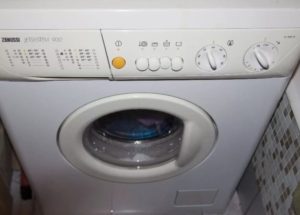
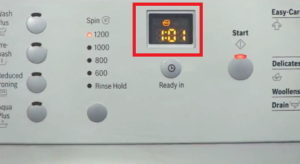
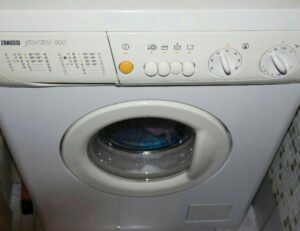 Sometimes, when users approach their Zanussi washing machine, they find it stuck in the rinse cycle. Modern machines display an error code indicating the malfunction. What should they do in this case, as their laundry remains trapped in the drum full of water?
Let's figure out why your Zanussi washing machine often won't rinse. We'll explain which components to check first and what to do in this situation.
Malfunction outside the CM housing
If the washing machine can't start the rinse cycle, it freezes near the end. The drum remains full of soapy water. Ignoring this situation is unavoidable – you'll need to run a diagnostic test to check the machine's main components.
Whenever possible, it's best to delegate diagnostics and repairs to a specialist. Otherwise, most problems can be resolved independently. We'll explain how to begin troubleshooting your machine.
Make sure nothing is blocking the drainage of waste water from the tank.
Most often, Zanussi machines fail to rinse due to drainage issues. Troubleshooting should begin with the simplest issues. Inspect the drain hose—it may be pinched or kinked, preventing water from draining.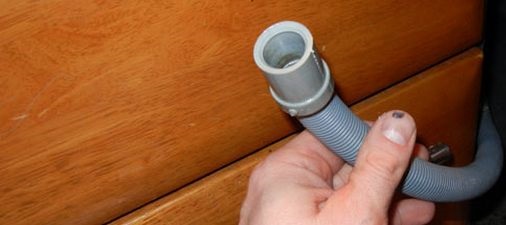
If the corrugated pipe isn't the culprit, you'll need to check for a blockage in the sewer pipe or trap. A clogged main riser can be suspected when water also drains poorly from the toilet or sink. In this case, you'll need the help of a plumber.
If the machine doesn't start rinsing and the tank is empty, you can check if there's water in the tap. The water supply may have been cut off, and the washing machine simply can't fill.
Once you've verified that no external factors are preventing the machine from starting the rinse cycle, you should look for the cause within the machine itself. Troubleshooting progresses from the simplest to the most complex. We'll explain what can cause the washing machine to freeze at this stage.
The most likely breakdowns
Don't panic if your Zanussi automatic washing machine gets stuck during the rinse cycle. In most cases, this is caused by a minor malfunction. Most often, the washing machine does not rinse or spin clothes due to a blockage in the drainage system. You can deal with this problem yourself without calling a specialist.
A faulty drain pump, a broken pressure switch, or a damaged control module can also cause the machine to freeze during the rinse phase. We'll explain how failure of these components affects the machine's performance.
- Clogged drainage system components. The machine's drain hose, debris filter, pump, or the tube connecting the tub to the pump can become clogged. A coin left in a pocket can get stuck inside the washer and obstruct the normal drainage of liquid. When the drainage is blocked, the machine freezes and never starts the rinse cycle. Cleaning the components is the solution.
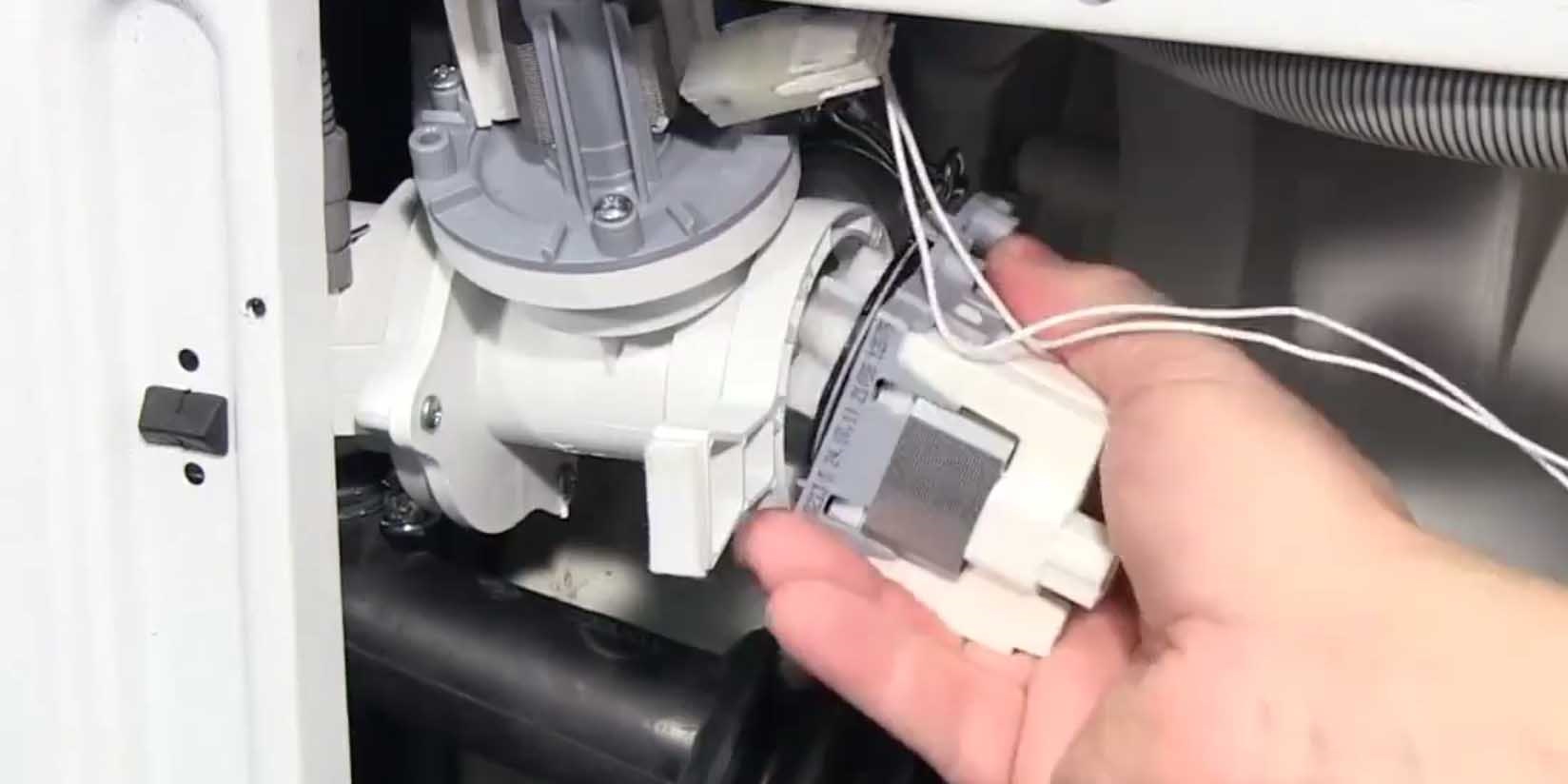
- A faulty drain pump. The pump is responsible for draining water from the washing machine's drum. If the element fails, liquid remains inside, preventing the machine from proceeding to the next stage of the cycle.
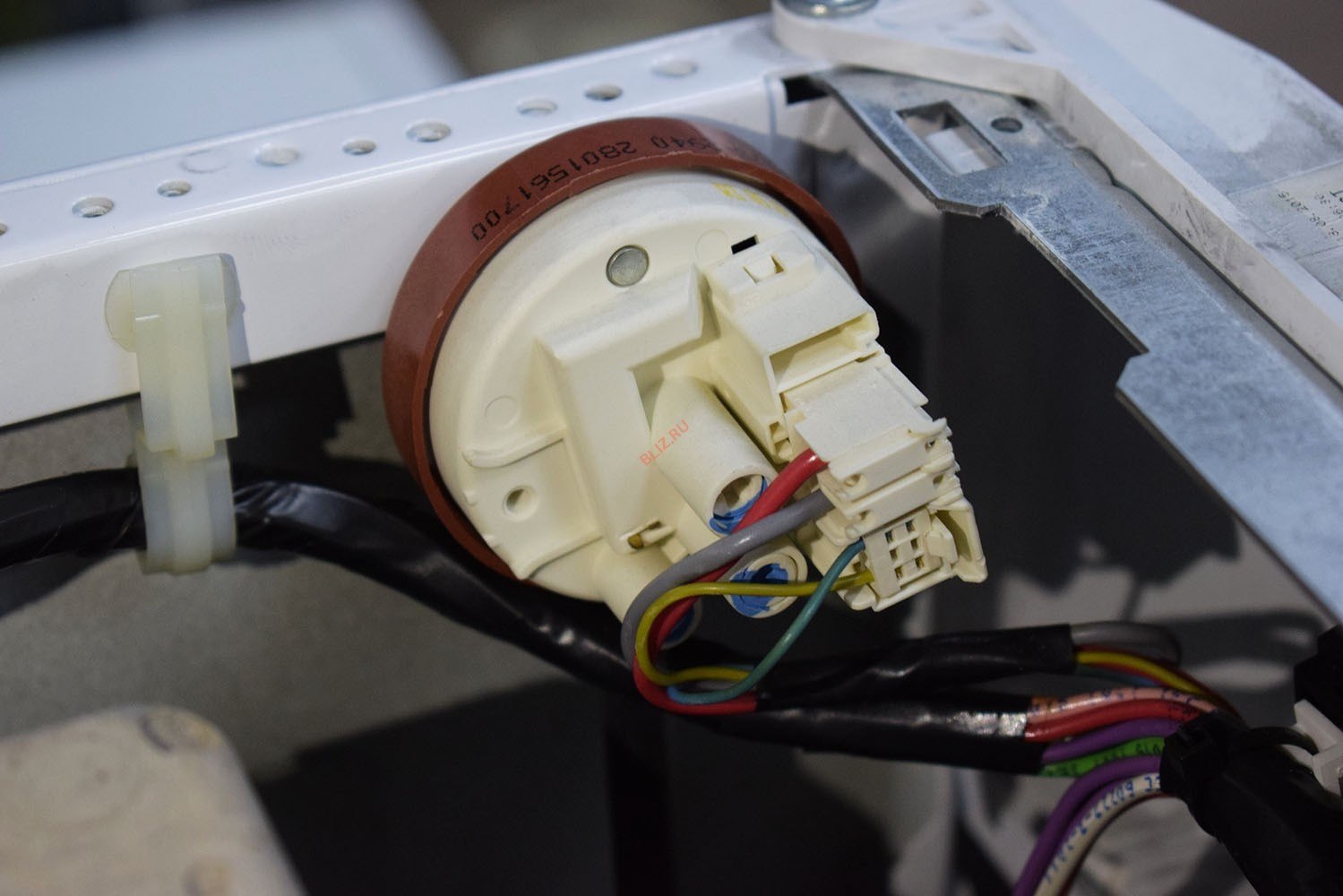
- Pressure switch. A malfunctioning level sensor transmits false information to the control module. For example, it reports the tank is empty when it's actually full. As a result, the "brain" doesn't activate the drain, and the machine freezes instead of rinsing.
- Control module. Rarely, a damaged circuit board can cause a Zanussi washing machine to freeze. The electronic control unit coordinates all processes, so if it breaks, the washing machine will not operate correctly.
First, the washing machine is checked for blockages. Then, the pump and pressure switch are inspected. If the cause of the blockage is still not identified, the electronic module is finally diagnosed.
Hose or "trash can"
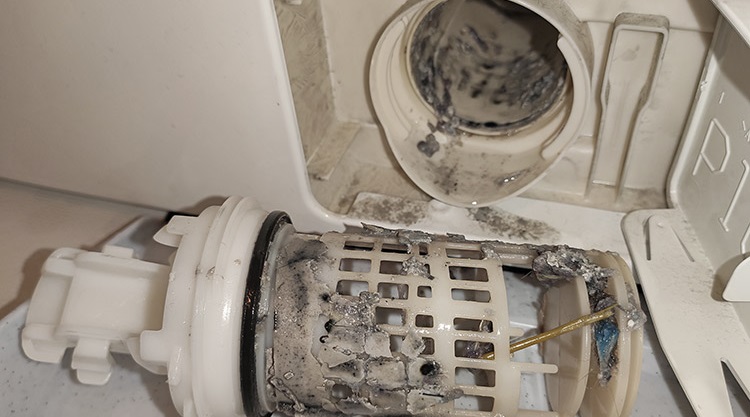
If you find your washing machine stuck in the rinse cycle, the first thing you need to do is empty it. You can remove the soapy water through the drain filter—this will also allow you to check the waste bin. The procedure is as follows:
- de-energize the Zanussi washing machine;
- turn off the valve that supplies water to the washing machine;
- Move the washing machine away from the wall a little;
- find the trash filter (it is located in the front, in the lower corner behind the false panel or technical hatch);
- Place a dry cloth near the machine;
- Place a low container under the washing machine where the waste bin is located (it will be needed to collect water);
- unscrew the filter halfway;
- wait until the water drains into the basin;
- remove the trash can completely.
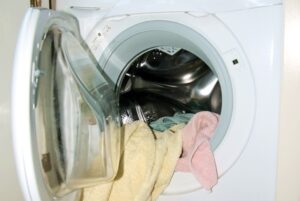
Once you've drained the tank, the lock will unlock, allowing you to open the door and remove your laundry. Afterward, clean the drain filter. Only wash the waste container in warm water—too much heat will cause the plastic to warp.
If there's limescale deposits on the filter element, you can remove them with citric acid. Soak the filter element in a citric acid solution for 2-3 hours. Then rinse the filter under running warm water.
It is recommended to clean the drain filter of the automatic washing machine at least once every 2-3 months.
Next, look into the hole where the drain filter was removed. If there are any foreign objects there—paper, coins, buttons—remove them. Then, wipe away any dirt from the walls with a damp cloth.
Also, inspect the drain hose—feel it along its entire length. The blockage may be there. Once you find the blockage, disconnect the hose from the machine and the trap and rinse it under running water. You may need to clear the corrugated pipe with a wire brush.
The pump is out of order
Typically, a drain pump doesn't fail suddenly—symptoms of its malfunction appear early. If you've noticed your machine pumping water too slowly and noisily before, it's likely the pump is at fault. The component may stop working properly for the following reasons:
- blockage;
- breakdowns.
If the problem is a clog, you should clean the pump. The pump can be accessed through the bottom of the washing machine. Here's how to do it:
- de-energize the washing machine, disconnect the device from communications;
- lay the washing machine on its side;
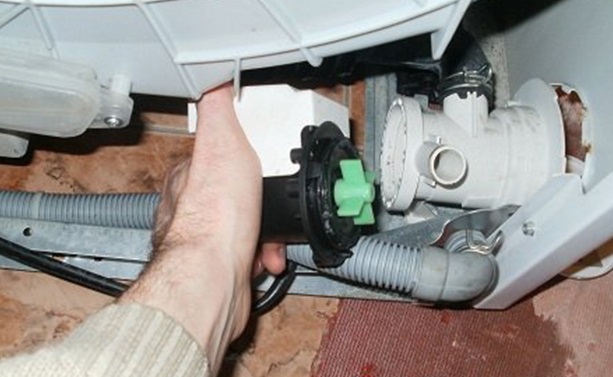
- remove the tray (if provided);
- find the pump;
- Unclip the clips and remove the pump from the machine body.
Inspect the element. Debris may have accumulated in the impeller; in that case, clean the blades. If there is no visible damage, check the pump with a multimeter (to do this, place the tester probes on its contacts and measure the resistance). A burnt-out drain pump cannot be repaired; the part will need to be replaced.
When purchasing replacement parts, use the model and serial number of your Zanussi machine as a guide. You can also take the removed pump with you to the store and ask the sales associate to select a similar part. This will help you avoid making mistakes when selecting components.
It's all about the electronic module
Zanussi washing machines rarely freeze during the rinse cycle due to a faulty control module. Sometimes the wiring is damaged, and in other cases, the semiconductors on the circuit board fail. A thorough circuit diagnostic is required to identify the problem.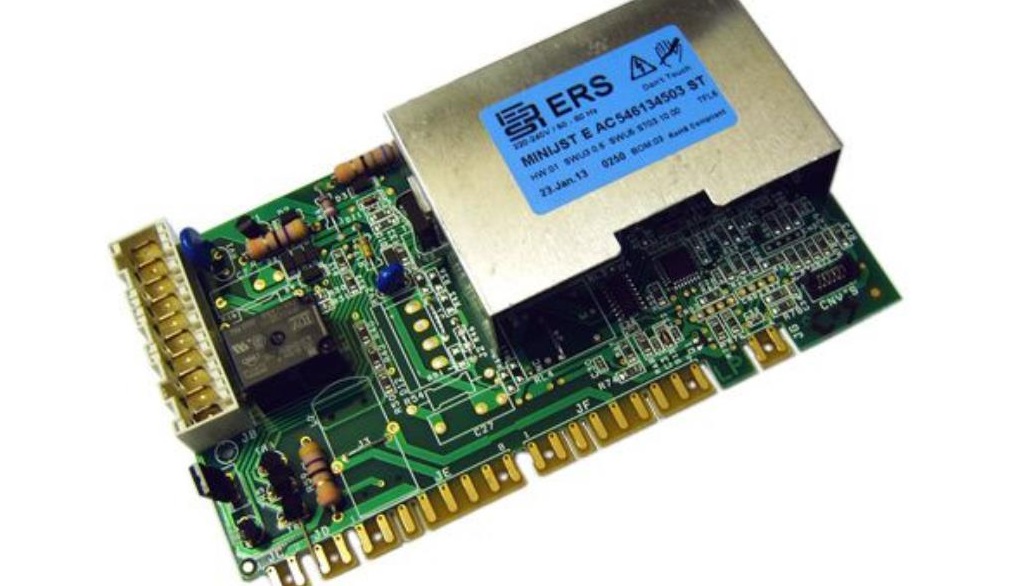
It's best to entrust repairs to a professional for your washing machine's control unit. Without sufficient experience and knowledge, you could only cause further damage to your "home assistant." A qualified technician will diagnose the circuit board and resolve the issue.
Interesting:
Readers' comments
Headings
Washing machine repair




For buyers




For users


Dishwasher




Add a comment