How to lubricate the bearings of an Ariston washing machine
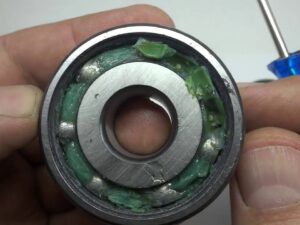
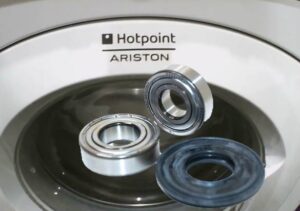
If your washing machine starts making a knocking and humming noise, even though it was previously very quiet, the problem is most likely with the bearing assembly. It's best not to put off repairs. Initially, lubricating the bearings in your Ariston washing machine will be sufficient. If the noise continues, the bearing rings will break and require a complete replacement.
Let's figure out how to treat washing machine bearings. What should the ideal lubricant be? How is the procedure performed?
What should the ideal lubricant be like?
It's important to choose a high-quality product. Washing machine lubricants come in a variety of brands, and each product has different properties. What should the lubricant's composition be?
Moisture-resistant. This is a must. The seal protects the bearings and is constantly in contact with water. A lubricant that washes out easily is of no use. The substance must remain on the sealing rubber even after liquid has entered the unit.
Heat-resistant. The lubricant must maintain its properties at various temperatures. The substance must easily withstand both contact with hot water and the heat of the shaft at maximum drum speed.
Non-aggressive. Since the substance is also applied to the seal, it must be "harmless" to the rubber and not deform the soft gasket.
Thick. This is important because the substance should not leak out of the bearing assembly while the washing machine is running.
Some handymen come up with the idea of treating the washing machine parts with products like Litol or VMPAUTO. Automotive lubricants do not have the required set of properties, so they cannot be used to repair a washing machine. It is important to purchase a special compound for washing machine bearings.
Lubricant for bearings and seals of washing machines is purchased in specialized stores or service centers.
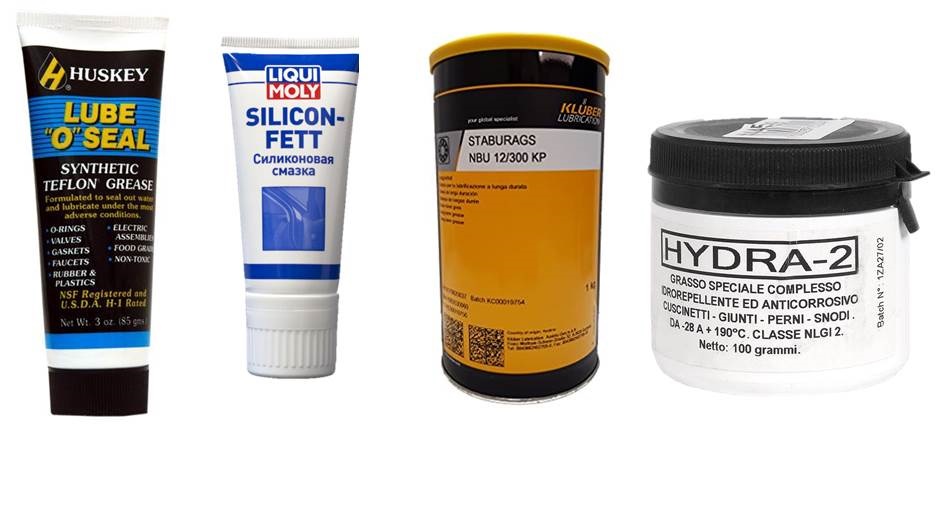
You can also order the composition online. Professionals typically recommend the following products:
A product from a world-renowned company, a leader in lubricant development. This substance meets all requirements; it is moisture-resistant, very thick, and resistant to temperature fluctuations. It is available in syringes (this form is more convenient for single use) and in 100-gram cans. Recommended by the manufacturer of Ariston washing machines.
An Italian-made compound designed for treating washing machine oil seals and bearings. Manufactured by the MERLONI brand.
STABURAGS NBU 12. Another worthy option. This product is based on mineral oil and barium complex soap. It is water-resistant and provides additional corrosion protection.
LIQUI MOLY. A product from a German manufacturer. This lubricant is sold in 500-gram tubes and is used to repair washing machines of all brands.
Huskey Lube-O-Seal PTFE Grease. This product is also often used for treating bearings and seals. Its formula meets all requirements.
It's best not to skimp on lubricant. It protects the bearing assembly. If the lubricant doesn't do its job, the seal and rings will wear out much faster. Replacing the bearings and sealing rubber is a rather labor-intensive and expensive repair.
We remove the tank together with the drum
Once you've selected the bearing treatment, you can get to work. The bearing rings are hidden in the washing machine's tub, so you'll need to practically disassemble the entire machine. The procedure is as follows:
de-energize the washing machine by unplugging the power cord from the socket;
turn off the shut-off valve, disconnect the washing machine from the water supply and sewerage system;
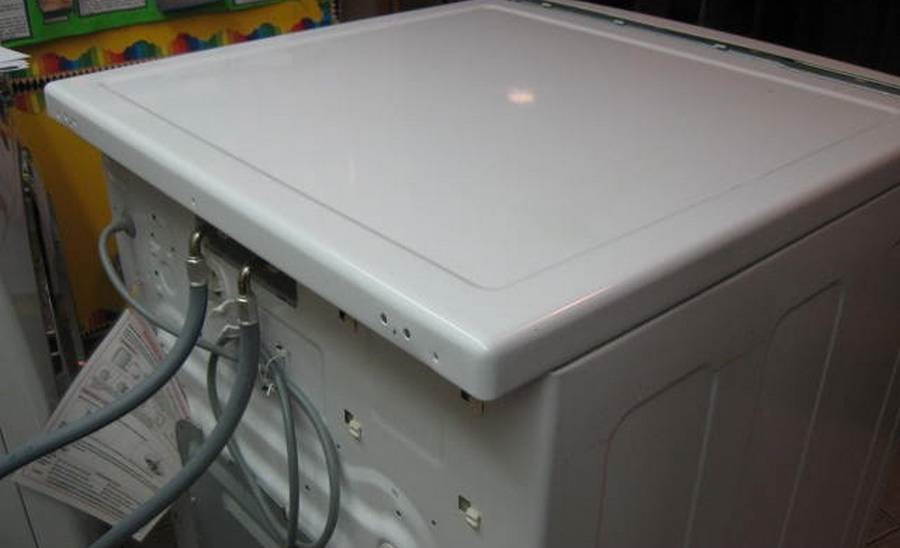
Move the machine to the center of the room – you will need free access to all sides of the case;
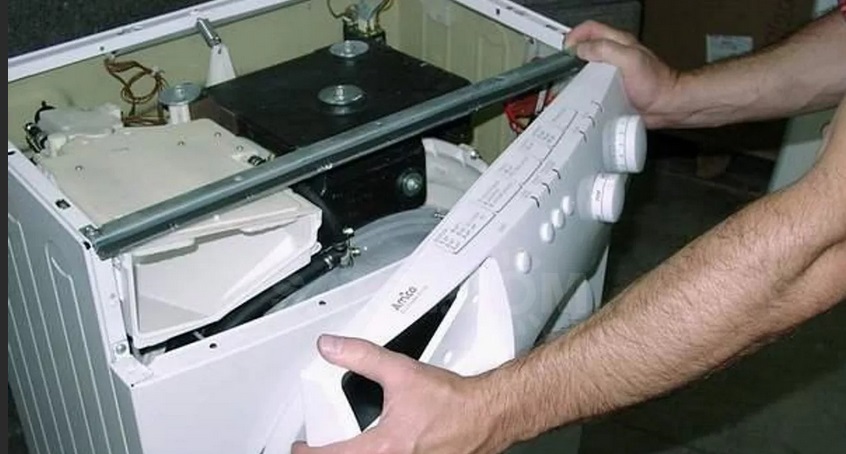
remove the top panel of the washing machine (by unscrewing the two bolts at the back);
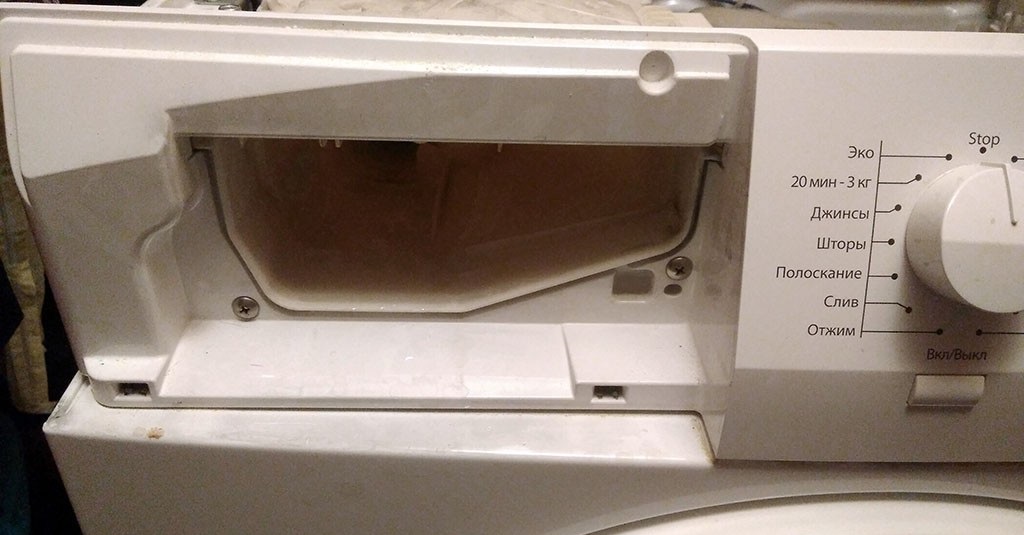
remove the powder tray;
Unscrew the bolts holding the panel with buttons, disconnect the contacts and remove the dashboard (it is better to photograph the wiring diagrams to avoid mistakes during reassembly);
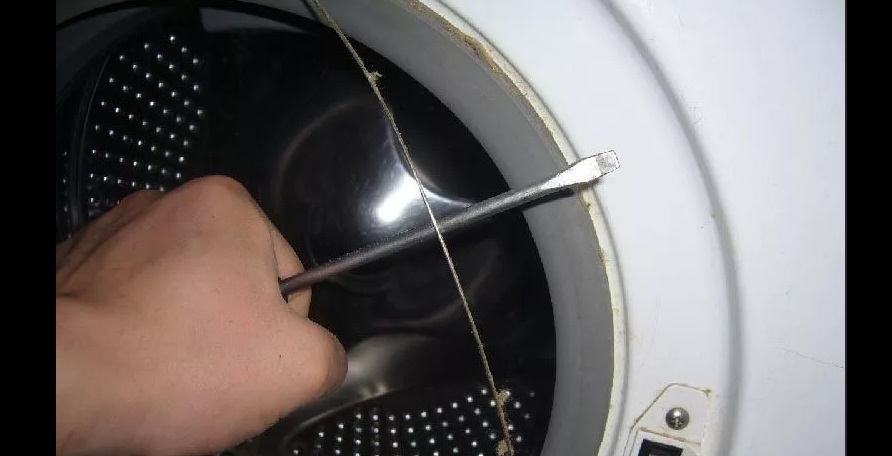
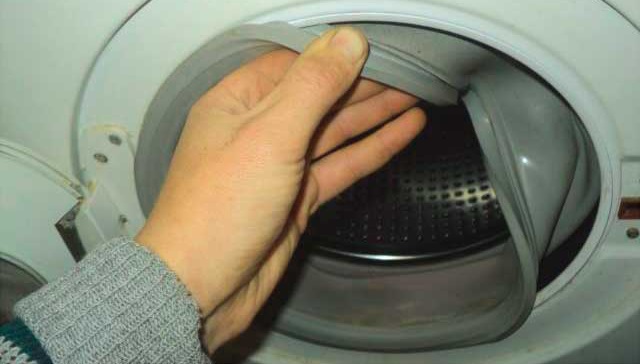
remove the outer clamp of the drum cuff (to do this you need to deal with its spring latch);
tuck the protruding ends of the elastic into the drum;
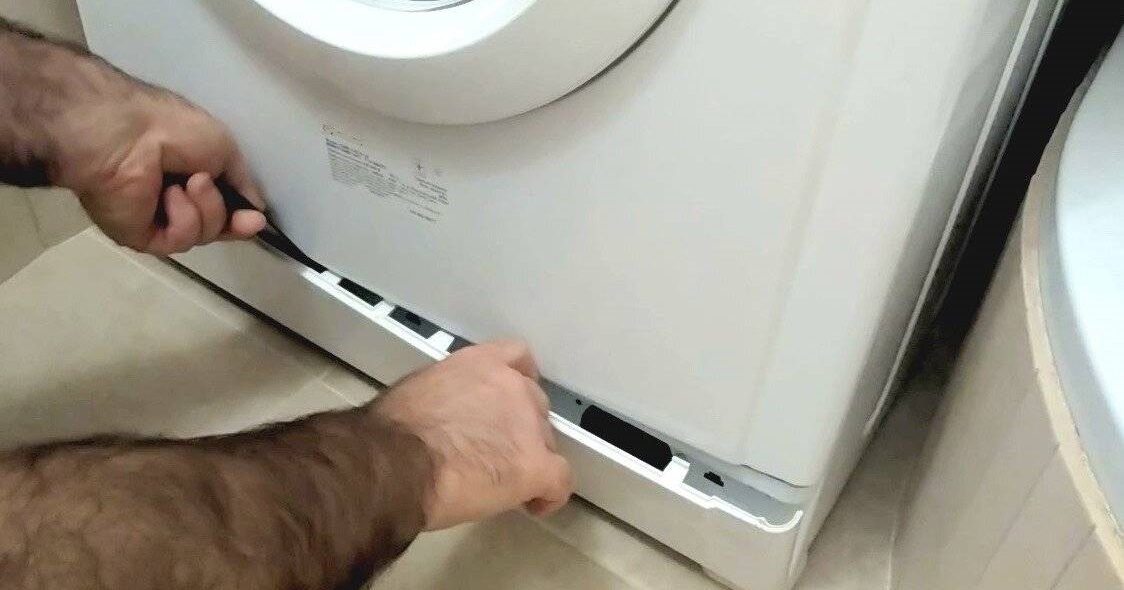
remove the lower false panel of the machine;
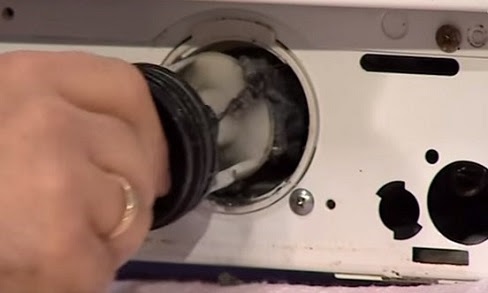
unscrew the washing machine drain filter;
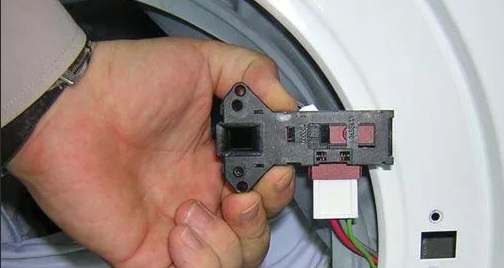
Disconnect the contacts from the hatch locking device;
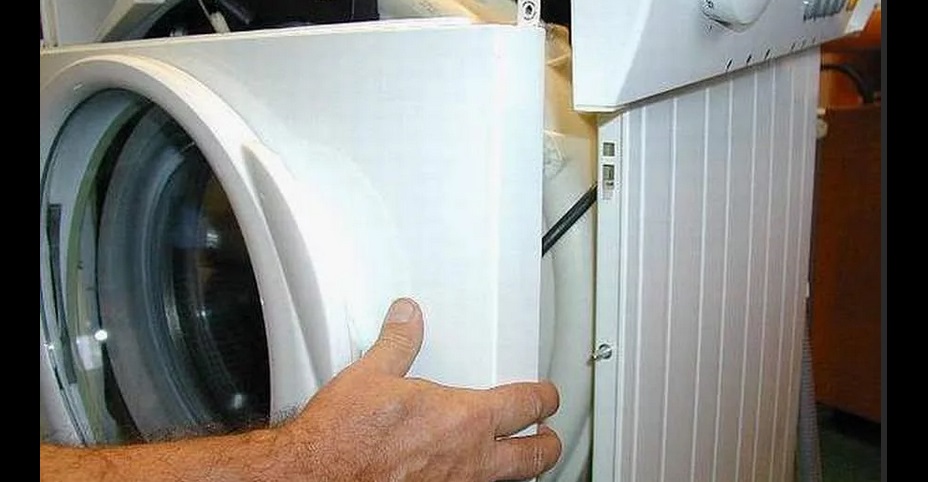
remove the front wall of the case, removing all the screws that secure it;
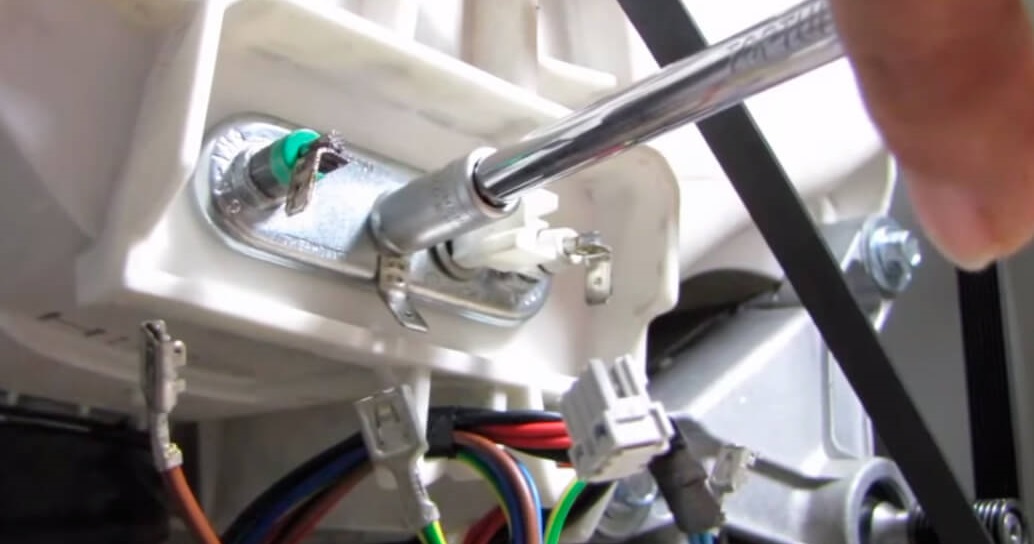
disconnect the contacts from the heating element, remove the heater;
disconnect all terminals and pipes from the tank;
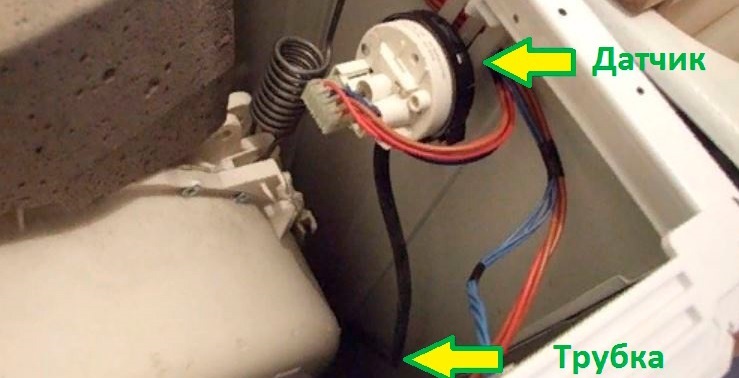
unhook the water level sensor together with the wires and fitting;
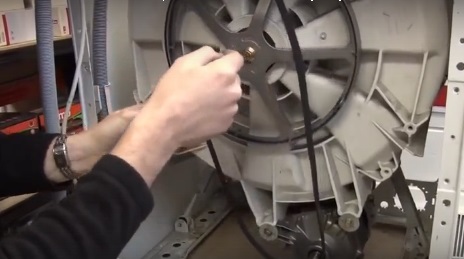
remove the drive belt;
remove counterweights that will interfere with the removal of the tank;
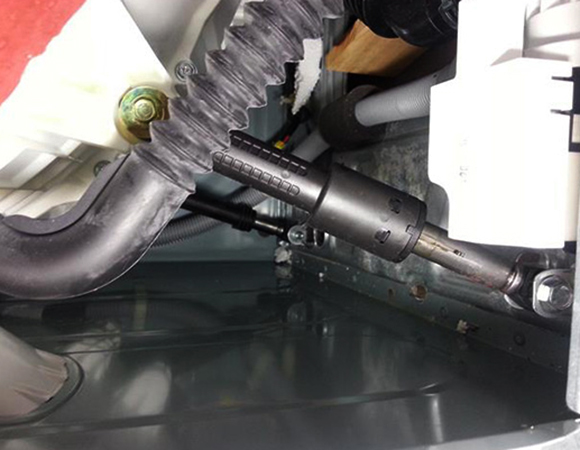
Having dealt with the shock absorbers, remove the tank from the washing machine housing;
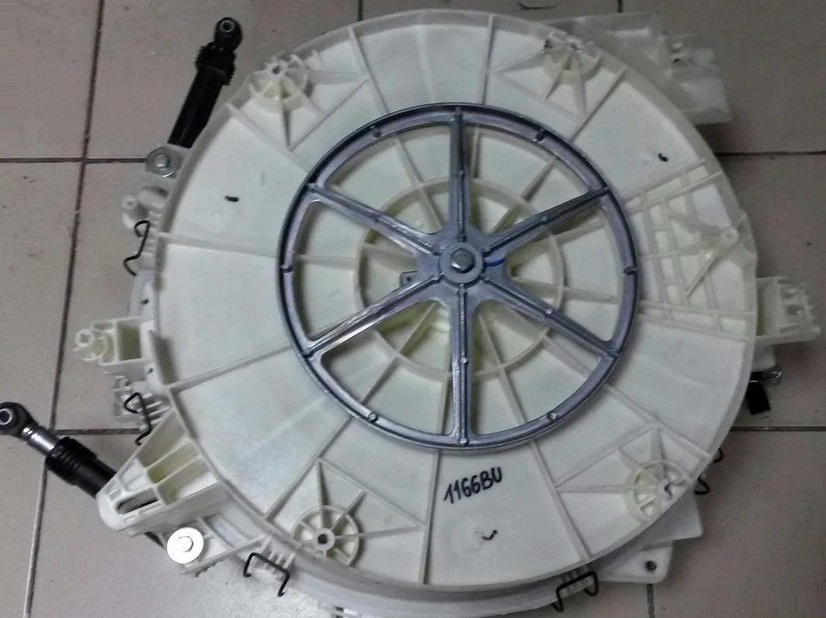
place the unit on the floor, pulley side up;
Remove the washing machine motor by unscrewing the bolts that secure it.
To gain access to the bearing assembly, you will have to almost completely disassemble the Ariston automatic washing machine.
Keep in mind that this job will take several hours, especially if you have no experience repairing washing machines. The rest of the work is done with the machine's drum. The plastic container will need to be split in half.
We remove the bearings and fill them with grease.
The bearings are hidden inside a plastic container. Washing machines can be equipped with either collapsible or non-collapsible tanks. In the first case, cutting the tank in half will be quite simple, but in the second case, you will have to work hard.
Separating a collapsible tank is easy. Simply unscrew the bolts around the perimeter, undo the latches, and separate the tank. A non-collapsible tank will require sawing along the factory seam with a hacksaw, and then gluing the tank back together.
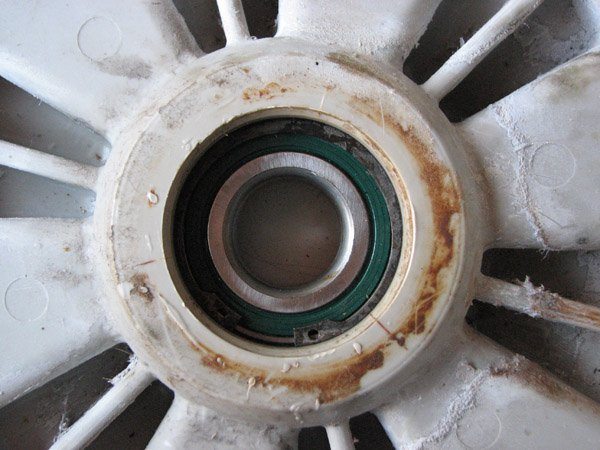
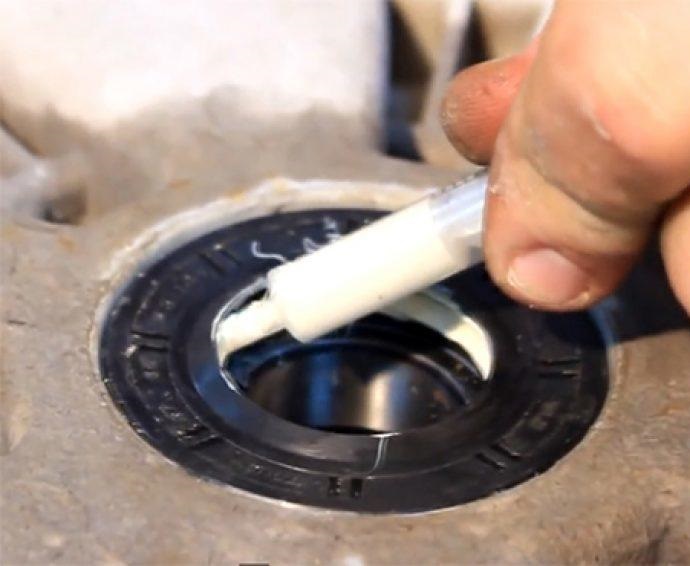
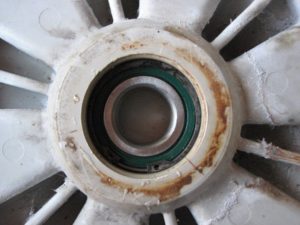
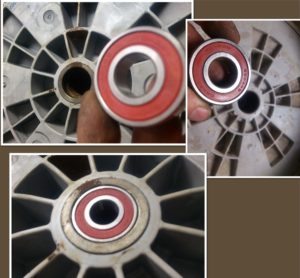
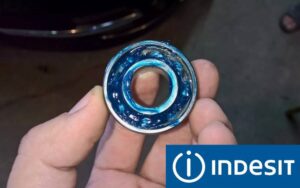
After disassembling the tank, inspect the seal and bearings. If they're in good condition and the only problem is a lack of lubricant, generously coat the components with the prepared solution. The better the rings are lubricated, the less often you'll need to disassemble your "home helper" for such maintenance.
If the seal and bearings are noticeably worn, it's best to replace them immediately. Such components are relatively inexpensive. If you simply lubricate the partially damaged rings, the knocking noise will return shortly, requiring you to disassemble the machine again to install new parts.
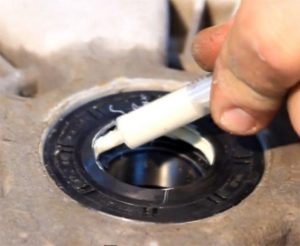
Apply grease under each bearing cap and to the inner surface of the seal (the part that contacts the bushing). Don't be afraid to apply too much; it's much worse to apply too little. Then, reassemble the tub and the washing machine in reverse order, and run a test cycle.

 If your washing machine starts making a knocking and humming noise, even though it was previously very quiet, the problem is most likely with the bearing assembly. It's best not to put off repairs. Initially, lubricating the bearings in your Ariston washing machine will be sufficient. If the noise continues, the bearing rings will break and require a complete replacement.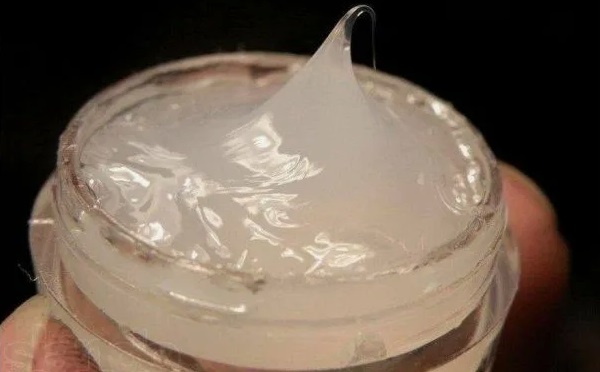














Add a comment