Do washing machine bearings need to be lubricated?
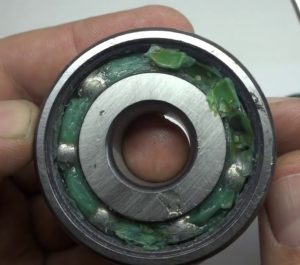
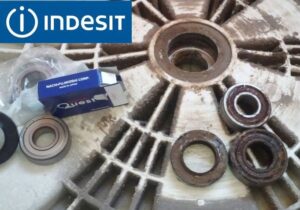
Destroyed bearings and a damaged seal are the most complex and expensive failures in washing machines of any manufacturer. Once faced with the need to replace a bearing assembly, users try their best to avoid it. It's believed that generous lubrication of the rings and seal can prevent this. Let's explore whether, when, and with what lubricant washing machine bearings require lubrication.
Why lubricate the bearing?
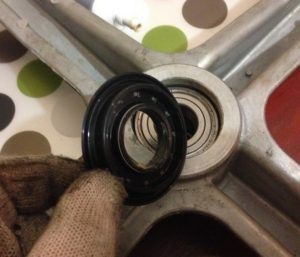
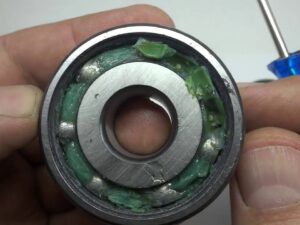
There's a common misconception that additional lubrication of factory bearings is unnecessary. The argument goes that the less you touch a new part, the longer and better it will last. But this is fundamentally untrue – grease can protect the bearing assembly and significantly extend its service life, so it's always added when installing the bearing rings.
Bearings must be lubricated during installation!
But a lot depends on the chosen lubricant. Ordinary Litol will not produce the desired effect; special compounds designed for such mechanisms are needed. Only in this way will the product ensure the safety of the unit and protect it from the external environment.
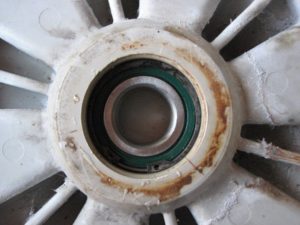
There's no need to go to extremes and constantly lubricate the bearings. There's no need to completely disassemble the washing machine without a good reason—it's time-consuming, complicated, and risky. Simply treat the bearing seat during a scheduled replacement and you'll be worry-free for the next 7-10 years.
Which drug should I use?
Another question is what product to use to treat the bearings and seals. Regular automotive products are not suitable due to their low effectiveness. Special compounds with specific properties are needed.
Moisture resistance. The drum shaft is constantly in contact with water, so the lubricant must be water-repellent. Without such protection, the bearing will gradually lose its factory-applied sliding filler and quickly fail.
Heat resistance. At high temperatures, the water in the tank heats up, and so does the drum and shaft. If the product doesn't work in a hot environment, it will lose its properties, allow moisture to pass through, and corrosion will occur.
Suitable for use on rubber surfaces. Overly aggressive compounds will cause the seal to harden, which will compromise the seal and accelerate its failure.
Thick consistency. Liquid lubricants don't adhere well to surfaces and leak during machine operation.
Ideally, you should choose a product that possesses all of the above qualities. Several formulations fit this description:
"Amplifon" is a moisture-resistant lubricant from the Italian company MERLONI;
"Anderoll" is produced by the manufacturer of Indesit washing machines and is distinguished by its convenient dosage (sold in syringes for 2 uses);
"STABURAGS NBU 12" – water-repellent, restorative, heat-resistant and resistant to various detergents;
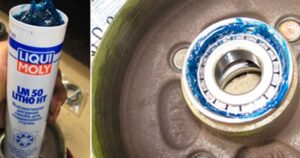
"Silicon-Fett" from LIQUI MOLY is a silicone lubricant that withstands temperatures from -40 to +200 and adheres firmly to the surface due to its thick texture;
HuskeyLube-O-Seal PTFE Grease offers optimal consistency, strong adhesion to surfaces, corrosion protection, and operation at temperatures ranging from -18 to +117 degrees.
Extending the life of a bearing assembly is easy – simply apply a special lubricant during installation. This will protect the bearing from washout, corrosion, and premature wear.

 Destroyed bearings and a damaged seal are the most complex and expensive failures in washing machines of any manufacturer. Once faced with the need to replace a bearing assembly, users try their best to avoid it. It's believed that generous lubrication of the rings and seal can prevent this. Let's explore whether, when, and with what lubricant washing machine bearings require lubrication.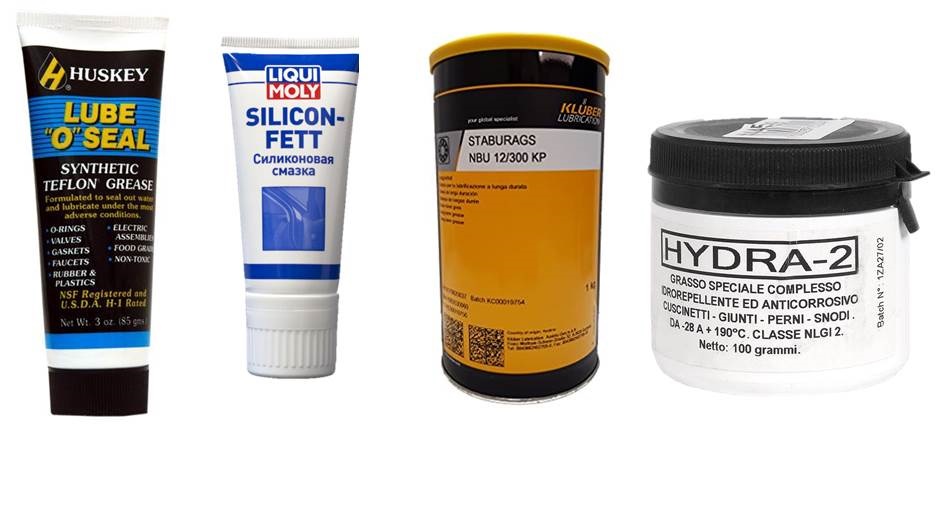














Add a comment