
What does the snowflake light on a dishwasher mean?
 Modern household appliances are packed with electronics, and information about modes, settings, and malfunctions is displayed on the display screen. Housewives who recently purchased a dishwasher aren't always familiar with the symbols their "smart assistant" displays from time to time, using various icons and text. Particularly concerning are those that flash red, subconsciously perceived as an alarm. A "snowflake" often appears on the display screen—what does this message mean and what should be done to make it disappear?
What does the snowflake indicate?
When turning on their appliances, many homeowners see a "snowflake" indicator light on the dishwasher's control panel. It doesn't go away even after standard procedures, such as adding detergent or placing a tablet in the designated compartment, or turning on the dishwasher. The explanation for the "snowflake" is simple: it's the rinse aid indicator, and as long as the compartment is empty, the icon will remain on. To turn it off, simply pour the manufacturer-specified detergent into the designated compartment.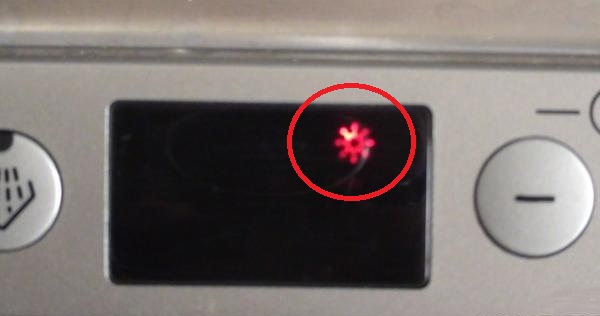
It's located next to the compartment for solid detergent (tablets or capsules). It looks like a small rectangular box with a lid, with a small hole inside where you pour the rinse aid. To check whether the lack of rinse aid is really the cause of the "snowflake" pattern, try an experiment: pour a small amount of the required rinse aid into the compartment. If the amount is insufficient, the icon will start flashing. When the "snowflake" disappears, the amount of rinse aid is adequate, and the dishwasher can continue to operate without issue.
What happens if you don't add rinse aid?
The first thing housewives should understand is that the "snowflake" symbol is not a malfunction signal and serves as a simple informational indicator. Its appearance does not affect the machine's operation, and the machine's basic functions are not affected, meaning the symbol can be ignored. However, there are situations when filling the corresponding compartment is highly recommended. This includes washing glass items:
- glasses;
- glasses;
- beer mugs;
- glasses;
- baking dishes;
- other products made of transparent glass.
Without a special cleaner, glass items will be covered in streaks and smudges at the end of the wash cycle, which cannot be removed even by thoroughly rubbing with a napkin or towel. Rinse aid will not only prevent this problem, but will also give your kitchen utensils a shine and the appearance of new, newly purchased dishes.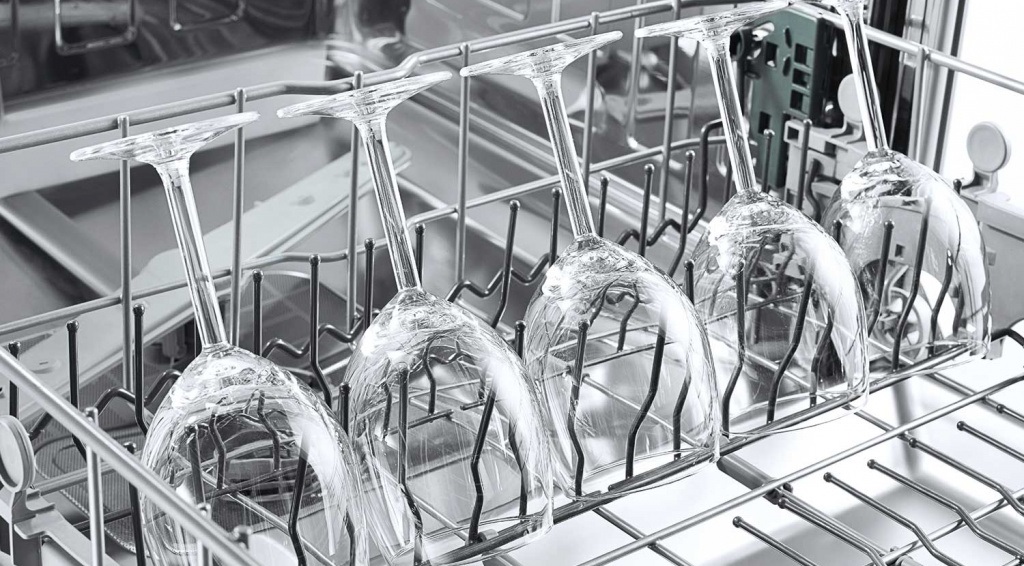
For daily washing, when plates, pots, and pans are loaded into the bin, rinse aid is not necessary. This savings is justified: the product is not cheap, and the special effect is felt only by the owner of the cups and baking sheets.
You can turn on the dishwasher without rinse aid; simply provide it with detergent for basic operation (capsule, tablet, or powder), select the required program, and change the settings.
Filling the rinse aid compartment is entirely a personal choice for dishwasher owners. Many modern detergents (such as capsules) already contain rinse aid, so the rinse aid compartment will remain empty permanently. And on such a dishwasher, the "snowflake" light will always be on.
Interesting:





Readers' comments
Headings
Washing machine repair




For buyers




For users


Dishwasher




Add a comment