
How to remove the impeller from a washing machine pump
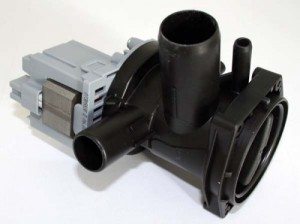
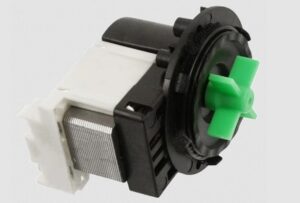
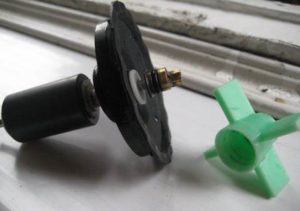 The impeller of a washing machine's drain pump often fails. Experts recommend replacing the entire pump in this situation. However, a true Russian would certainly hate to throw away a functioning pump because of a faulty plastic part. You can try replacing the impeller, and if the process goes smoothly, the pump will return to normal operation and continue pumping water without any problems. Let's look at how to remove the impeller from a washing machine pump and restore the drain element's functionality.
The process of dismantling the impeller
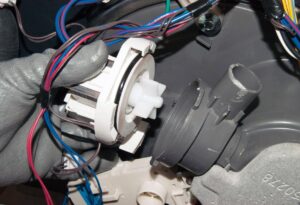
If you've decided to remove the impeller from the pump yourself, we'll help you. We'll provide a detailed procedure for removing the plastic part. Once the drain pump is removed from the washing machine housing, follow these steps:
- Use a hacksaw to cut off the plastic part located at the end of the impeller;
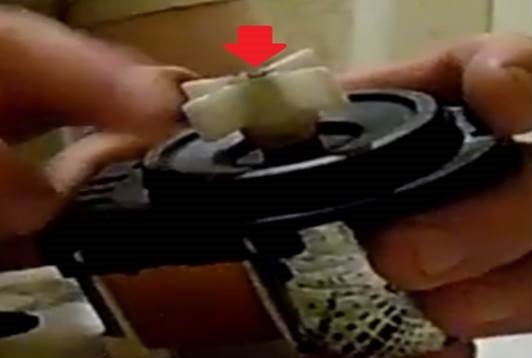
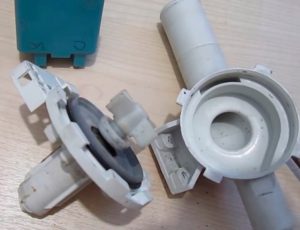
- forcefully pull the base assembly together with the impeller out of the water pump;

- insert the extracted structure into a vice and securely fix it in it;
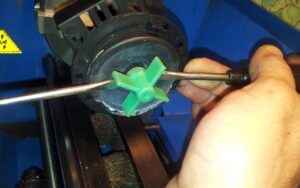
- Take 2 flat-head screwdrivers and, placing them on the bottom of the plastic screw, gently press on the impeller from the bottom up.
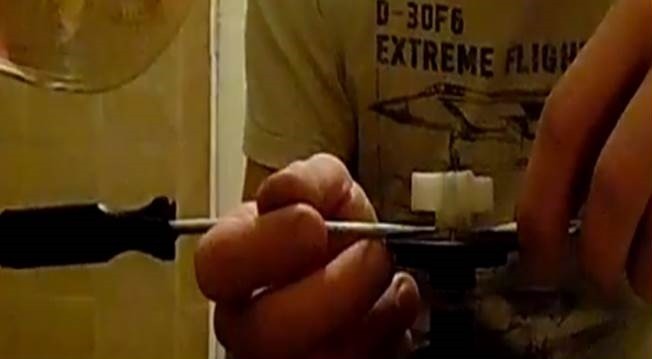
At this stage, the main thing is not to overdo it and not to tear off the fastening of the drain pump impeller.
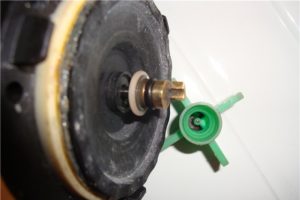
After prying and pulling the impeller upward, it should fly off the mount. Once the plastic impeller is removed, you will see the shaft that drives it.
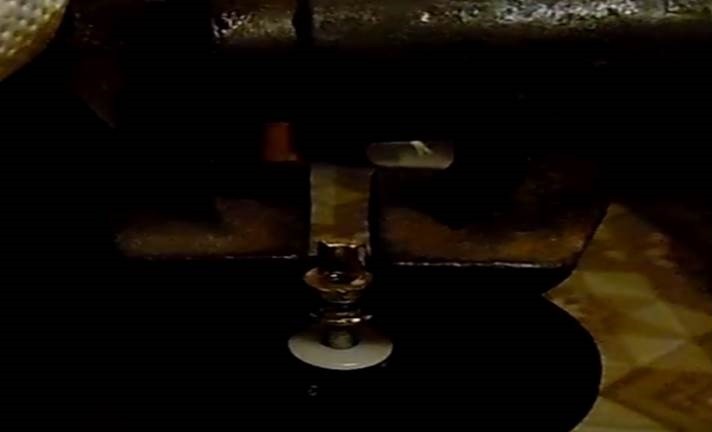
Now you need to remove the metal shaft from the overall structure. To do this, unscrew the vice from the tabletop, turn it over, and reinstall it so that the clamping bars are facing downward. Then, clamp the element to be disassembled in the vice around the metal shaft.
Next, take a screwdriver, insert its tip into the top hole in the shaft (it's important to select a screwdriver that matches the hole's diameter), and gently tap it with a hammer from above. The shaft should remain in the vice, and the assembly should be easy to disassemble.
The impeller problem may have been caused by worn rubber around the shaft. Therefore, carefully inspect it and, if necessary, replace the rubber ring with a new one. The impeller disassembly process is now complete; it's time to reassemble the element.
Restoring the impeller base
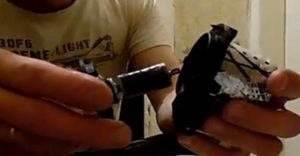 Half the work is complete, now the logical question arises: how to restore the impeller base? If you've managed to disassemble the structure correctly, reassembling it will be easy. So, here's what you need to do:
- insert the metal shaft into the plastic impeller; to ensure a tight connection, you can press it into place with a screwdriver;
- lubricate the rubber gaskets of the structure with lithol;
- attach the shaft with the impeller put on it to the rubber part;
- clean the inside of the pump (where the impeller base will be inserted);
- install the structure inside the pump (it will be attracted by a magnet).
- Apply sealant to the cavity in the area of the upper plastic part cut off from the impeller.
This is how you can replace the pump impeller. The process happens quite quickly; it will take approximately one hour to complete the work. The main thing is to prepare all the tools necessary for the repair and to understand the essence of the upcoming manipulations.
Perhaps the pump is intact?
Don't panic and disassemble the system at the first sign of doubt. First, determine the nature of the problem, its location, and whether the drain pump needs repair. It's possible the pump isn't even faulty. The inspection procedure is as follows:
- listen to the drain pump working;
- examine the debris filter and check it if necessary;
- inspect the drain hose, if there is a blockage, clean it;
- check if the impeller rotates freely, perhaps its movement is being slowed down by something;
- examine the wires and sensors leading to the pump.
You can detect a malfunction by listening to it; you don't need to be a technician to do this. Listen carefully to your washing machine, especially when it's draining. If the machine is operating without making any unusual noise, you'll need to disassemble it a bit to check the drain hose, filter, and wiring.
Interesting:
Readers' comments
Headings
Washing machine repair




For buyers




For users


Dishwasher




Add a comment