
Removing the Bosch Dishwasher Drain Pan
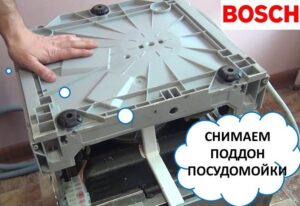 Most of the dishwasher's key components are located in the tray. Therefore, it's often crucial to remove the tray of a Bosch dishwasher to repair or replace damaged components. However, this can be difficult without understanding all the intricacies of disassembly or without detailed instructions. We'll walk you through the process of removing the tray yourself, so you can do it without calling a service technician.
Dismantling the PMM pallet
Don't rush into partially disassembling your "home assistant"—first, disconnect it from the power supply and water supply, remove it from its niche, and leave it in a spacious place so you have easy access and comfortable work. Don't forget to cover the floors with rags or old towels to avoid accidentally spilling the water on them. Once all preparations are complete, you can begin.
- Open the dishwasher door and remove all spray arms from the wash chamber, first pressing their latches to remove them from their seats.
- Remove the drain filter from the tray, which may contain wastewater from previous wash cycles. Remove any remaining liquid with a sponge.
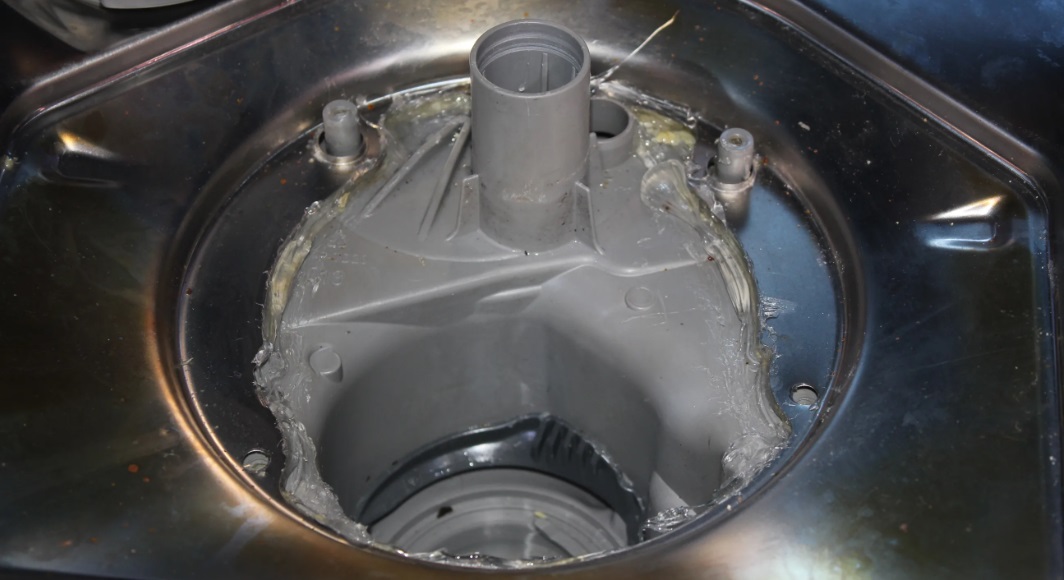
- Remove the bolts installed around the filter that hold the circulation unit in place.
- Remove the pump flap by gently pulling it to the sides and towards you.
Once you remove the impeller, inspect it for any food debris or other contaminants that need to be removed.
- Now the dishwasher can be turned upside down or laid on its back panel so that the tray can be easily removed.
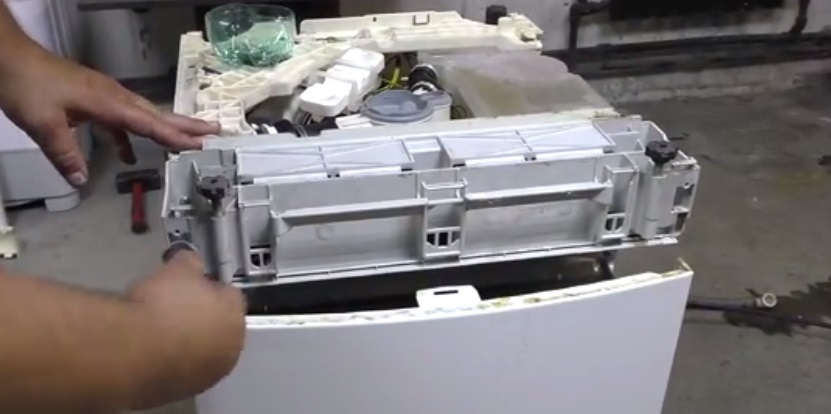
- Unfasten the latches on the sides of the oil pan. Before removing the oil pan, disconnect the float switch by removing the bolt holding it in place and the wiring. It's a good idea to take a few photos of the correct wiring connections to avoid making any mistakes during reassembly.
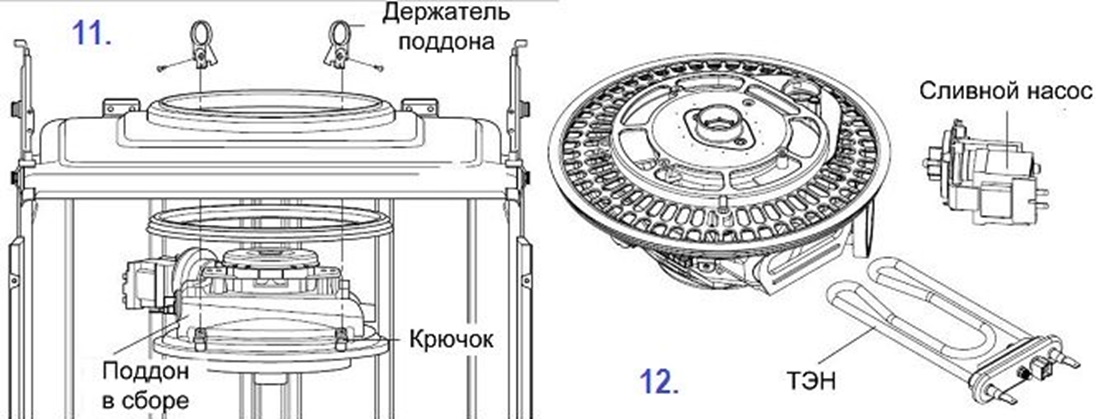
- Also remove the fill valve from the pan by disconnecting its fasteners.
- Finally, detach the tray holders.
Now you can remove the tray and begin repairing or replacing the faulty component. Be very careful when partially disassembling your "home helper" to avoid breaking fragile plastic parts or tearing wires.
Components of the PMM
To check the dishwasher's functionality, you need to know its structure. After removing the tray, you'll have easy access to the appliance's key components.
- An electric motor that starts the dishwasher elements.
- The circulation pump is the heart of the machine, as it supplies water to the system so the spray arms can begin washing dishes.
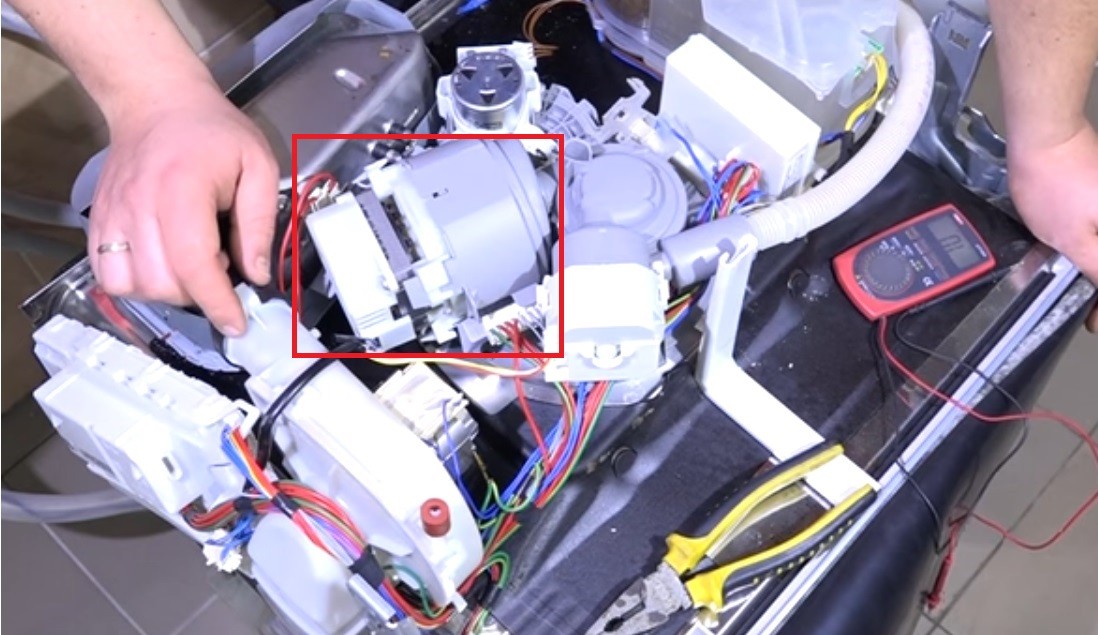
- A heating element installed in one housing together with a circulation pump so that it heats cold tap water.
- A drainage pump that drains the waste liquid after each working cycle.
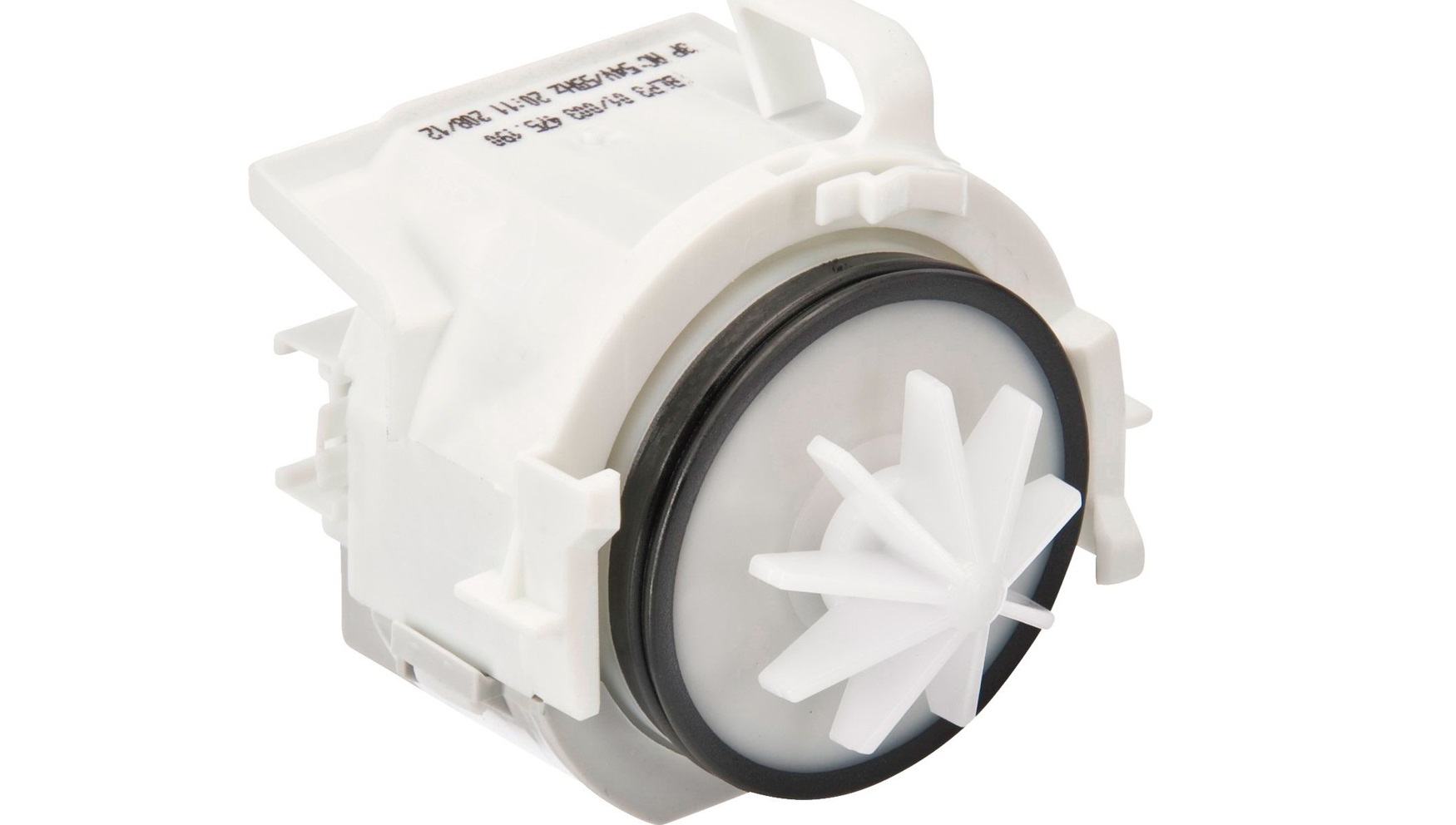
- Pipes and a drain hose through which used water goes into the sewer.
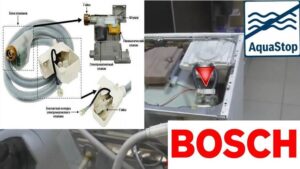
- Filling sleeve with leakage protection system.
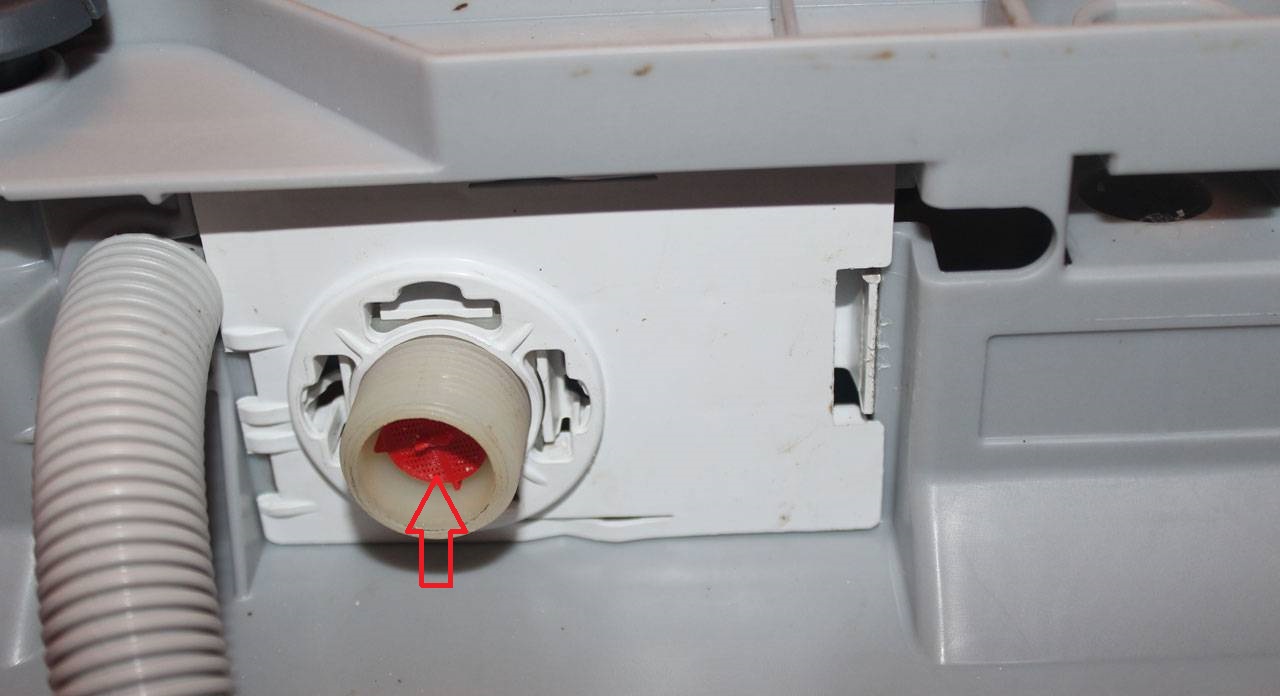
- A coarse filter installed at the inlet of the filling hose blocks rust and other harmful impurities contained in the water supply from entering the machine.
- A water level sensor that detects the current liquid level in the washing chamber.
- Water intake.
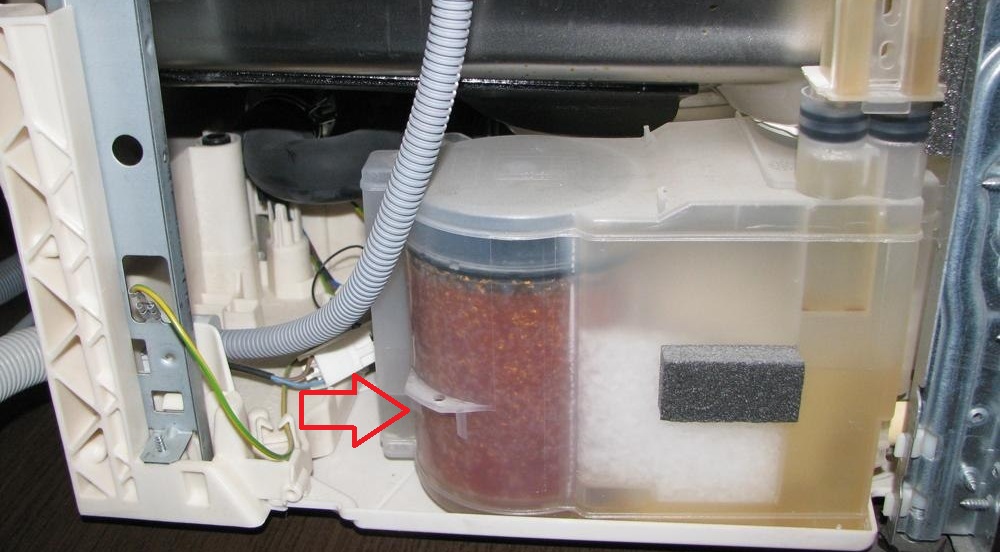
- An ion exchanger is a special compartment containing resin that helps soften hard tap water.
- The PMM control model is the “brain” of the system, transmitting signals to all key components of the equipment.
- Soundproofing.
- Connecting hoses, clamps, and wiring.
But that's not all you'll see inside the dishwasher. On the drum side, you'll also find several key components.
- A tank made of stainless steel.
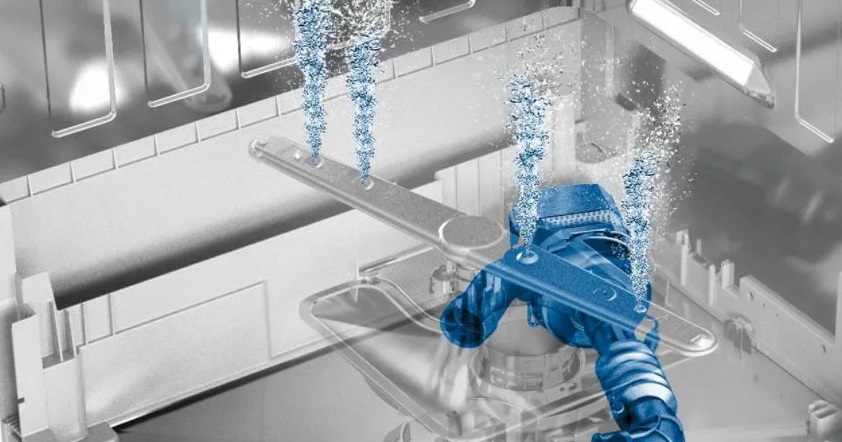
- Upper and lower sprinklers.
- Baskets for dishes, as well as a small tray for forks, spoons and knives.
- Two filters, one in the form of a glass with a fine mesh, installed in the bottom of the machine, the other in the form of a fine mesh, placed on top of the first filter.
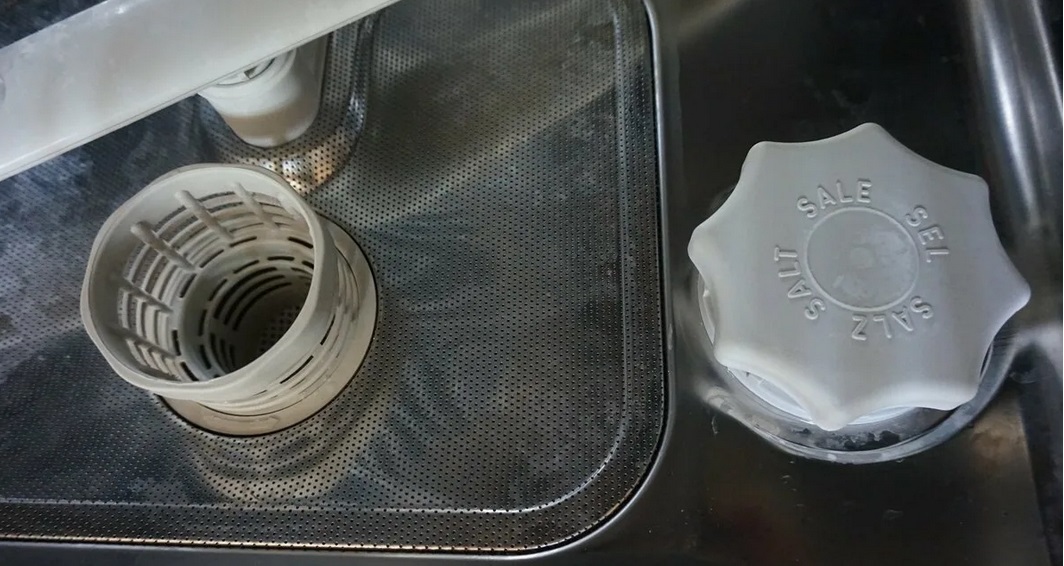
- Bunker for special salt.
- A dispenser for household chemicals installed directly on the door.
- Rubber seal around the entire tank contour.
- Control Panel.
The design of a modern dishwasher is difficult to understand without specialized knowledge. That's why it's often best to entrust repairs to service center specialists, as the dishwasher's complex components make it difficult to determine exactly what's broken and why.
Interesting:
Readers' comments
Headings
Washing machine repair




For buyers




For users


Dishwasher




Add a comment