
Removing the drain hose from a Beko washing machine
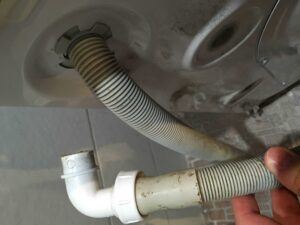 A modern washing machine can stop working for dozens, if not hundreds, of reasons. Many of these are difficult to fix on your own, especially if the problem is a damaged key component. However, if the problem is a leaky or clogged drain hose, it's very easy to fix at home without calling a technician. Simply remove the drain hose from your Beko washing machine and replace it with a new one, or simply thoroughly clean it. We'll explain in detail how to do this correctly.
We dismantle the old hose
Since Beko's "home helpers" lack a bottom, they are much easier to work with when removing the drain hose. However, this doesn't mean you shouldn't take precautions during disassembly and carefully follow the instructions.Gather a few screwdrivers, pliers, and some old towels or rags before you begin. Please follow our instructions carefully to remove the problematic corrugation.
- Disconnect the device from all communications.
- Use the emergency drain system to remove any waste liquid remaining after the operating cycle.
- Move the device away from the wall a few meters to make it easier to work with the equipment.
- Place rags or towels under the equipment.
- Tilt the CM so that you have free access to the bottom.
If you do not have an assistant who can temporarily hold the machine, then it is permissible to lay it on its right side.
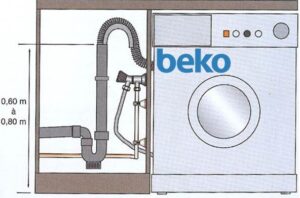
- Locate the area where the hose connects to the drain pump.
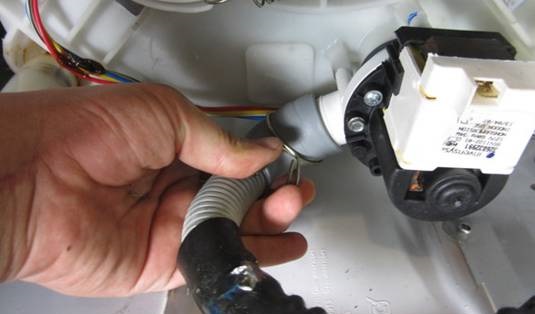
- Loosen the retaining clamp.
- Disconnect the other end of the hose.
- Remove the corrugated pipe from its seat.
- Carefully inspect the hose for damage or blockages.
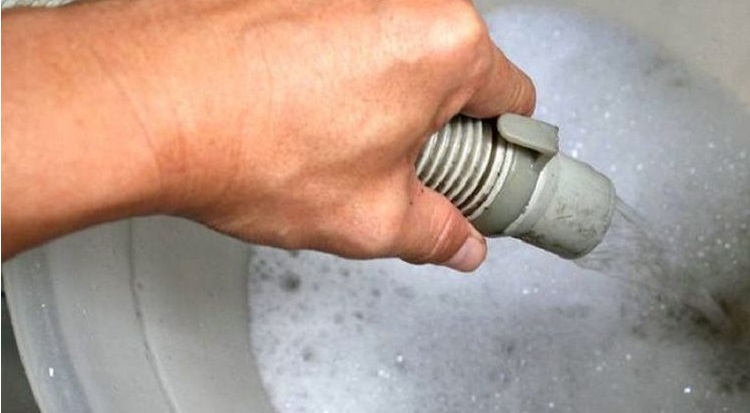
- Remove any debris from the hose if it is not damaged, and then replace either the hose or the new hose.
- Secure it with a clamp and make sure it is securely fastened.
- Connect it to the body.
- Return the washing machine to the wall.
Finally, at this stage, all you need to do is check the equipment's functionality by running a test cycle. Stay close to the appliance to monitor its operation at all stages, especially during draining, when you need to ensure the outer wall of the hose is dry. If you notice water forming at the pump connection, stop the wash immediately and tighten the hose clamps tighter.
Why did the old hose fail?
Due to the enormous load placed on the drain hose, it sometimes fails. While its polypropylene construction provides reliable protection against harsh chemicals and sudden temperature changes, it can also become deformed due to mechanical impact, wear, and clogs. We'll detail the main causes of hose failure.
- Incorrect length. Sometimes, a home appliance comes with a hose that's the wrong length, insufficient to connect to the utility lines. If in this situation, the user tries to extend the hose rather than buy a new one, the resulting design will inevitably become unusable over time. That's why it's best to avoid wasting time on such work and instead buy a longer hose.
- Damage. Housewives often cause damage to the corrugated pipe through carelessness, for example, by accidentally placing a washing machine or other heavy objects on it. This type of careless handling causes leaks.
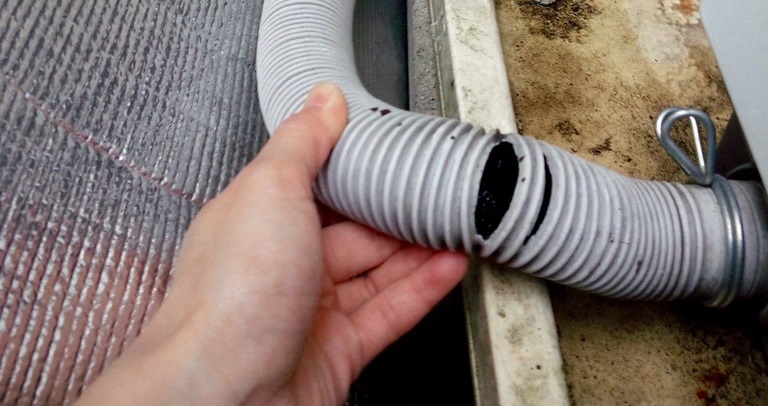
- Blockages. If the owner hasn't cleaned the washing machine or its key components in a while, it may become clogged. In this case, debris or scale will simply prevent the drain hose from draining wastewater into the sewer.
It's also worth noting that pets and small rodents in private homes can chew through the corrugated hose, or at least make several holes in it. Regardless of the cause of the problem, it should always be fixed by replacing the old hose with a new one. This is inexpensive, so don't waste time on makeshift repairs using duct tape, glue, or other makeshift tools.
New hose for replacement
Finding a new drain hose is very easy. It is enough to take the old one as a sample and either take it to a store that sells spare parts for household appliances, or order a similar one online. It's crucial to know the distance from the pump to the sewer line, plus consider the required hose bend. You should also select the hose type before purchasing.
- Standard, made from polypropylene, usually ranging in length from 1 to 5 meters.
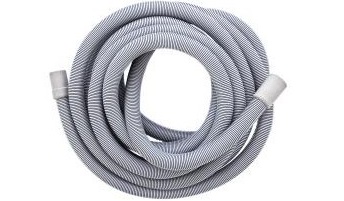
- Telescopic, characterized by its compressed shape and the ability to stretch approximately 3 times.
- Coiled, consisting of several modules, each of which is approximately 50 centimeters long.
Users rarely encounter the need to replace the drain hose, so if they do have to do this, it's best to do it right the first time to avoid having to deal with it again.
Interesting:

Readers' comments
Headings
Washing machine repair




For buyers




For users


Dishwasher




Add a comment