How to remove the shipping bolts on an Indesit washing machine?
Choosing a washing machine isn't easy, but properly transporting and installing it after purchase is equally important. The latter two tasks are easy to accomplish if you remember the shipping bolts. They must be used during shipping of any washing machine, and Indesit models are no exception. Before using your Indesit washing machine, you must remove the shipping bolts; otherwise, the warranty and integrity of the machine will be voided. Therefore, don't forget about the fasteners and learn how to remove them correctly.
Purpose of fasteners
While other household appliances can be safely transported in a branded cardboard box and a foam frame, washing machines are more complex. Inside each washing machine, there's a tub and drum that are literally suspended. They're held in place by just a couple of screws and special springs, which, thanks to their shock absorption, allow the motor shaft to move freely during operation. Simply put, the dampers soften the motor's speed, suppressing vibrations caused by centrifugal force.
However, a suspended drum creates certain difficulties when moving the machine over long distances. Without a secure hold, the drum will bounce around during sudden movements, and the shock absorbers won't protect it from impacts or further mechanical damage. The transport bolts securely fasten the internal moving elements, preventing them from coming into contact with other parts. Therefore, transportation becomes easy and safe for the unit.
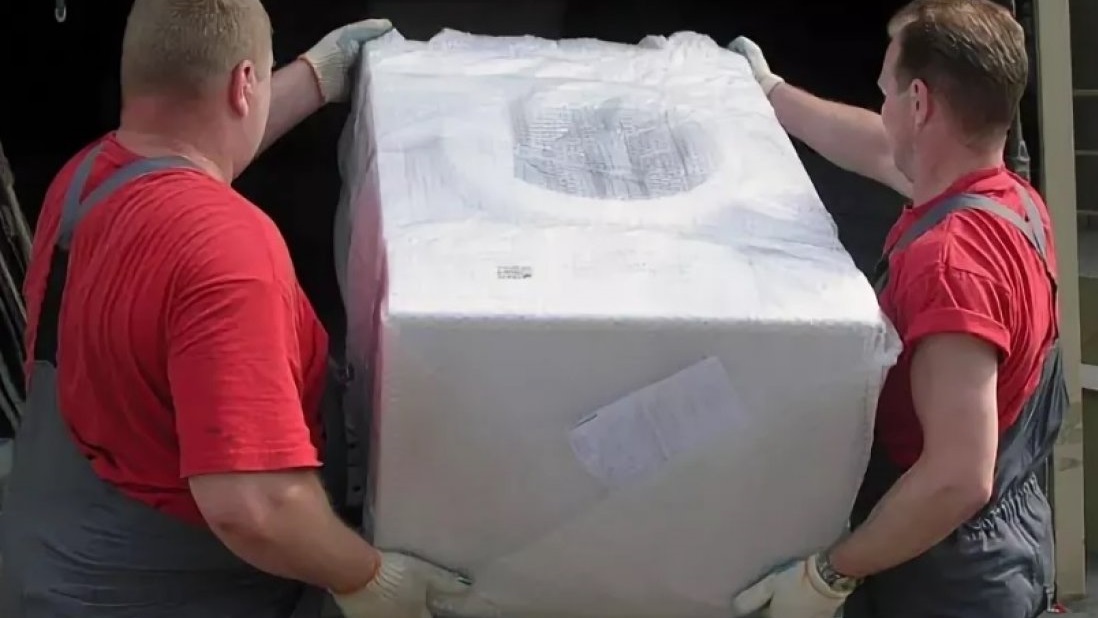
Transport bolts secure the tank during transportation, protecting it from vibration, impact and damage.
The bolts used for transporting Indesit units are standard. They are long screws consisting of three parts: a metal "spiral," a rubber spacer ring, and a plastic insert-end. The only difference is the size of the fasteners, which are custom-made for each model.
Where can I find these screws?
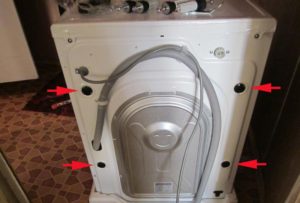
Figuring out where the locking tabs are located isn't difficult. Their location is usually predictable and depends on the type of machine you purchased. So, there are two possible locations:
If the model is top loading, the screws that hold the tank are tightened from the top or from the back;
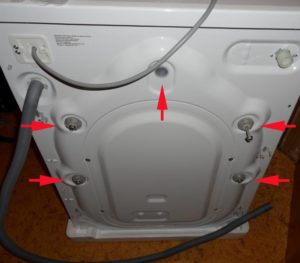
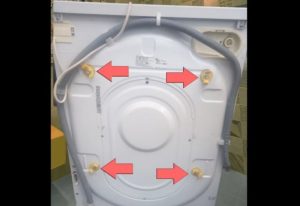
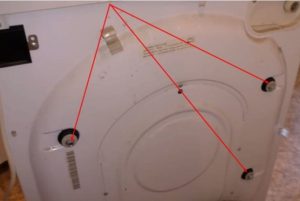
If the machine is a front-mounted type, then you need to look for the bolts strictly on the rear panel.
All information about the number and location of the transport bolts on your Indesit washing machine can be found in the manufacturer's instructions.
Most often, the screws are located on the rear sides of the case. However, rather than wasting time inspecting the rear panel, it's best to consult the manufacturer's instructions for the exact location of the screws. They also provide step-by-step instructions on how to remove the fasteners, with helpful explanations and recommendations. The number of fasteners used varies, from 2 to 4, depending on the dimensions, capacity of the washing machine, and the manufacturer's policies.
Removing screws: instructions
So, the washing machine has arrived at your apartment. Of course, you'll want to plug it in and start washing as soon as possible, but it's best to take your time. First, let the washing machine "rest" at room temperature for a few hours. Next, remove the factory stickers and ensure free access to the utilities, electrical system, water supply, and sewer lines. We only remove the transport bolts after all the above steps have been completed.
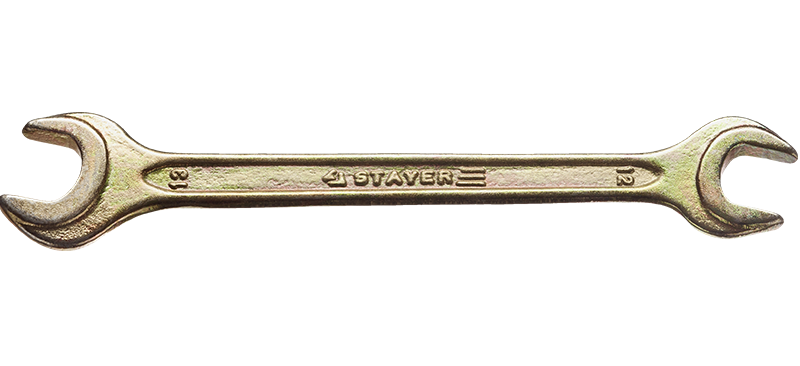
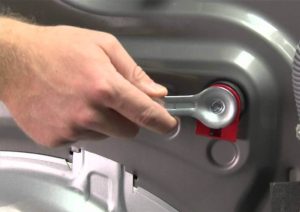
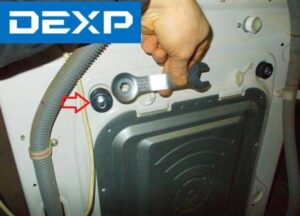
The clamps are removed with a special key, which is usually included with any Indesit model. If you don't have one, find a 12mm socket or pliers. Then, proceed as follows.
Loosen the screws by unscrewing them by 3.5-4 cm.
We push the bolt into the housing until it rests against a hard surface (on average, a recess of 2-2.5 cm is enough).
Without touching the screws themselves, remove the rubber gaskets and the plastic tip.
We cover the freed holes with special plastic plugs, which are included with Indesit washing machines. The key is to press the plugs until you hear a distinctive click.
The machine comes with a special key for removing the transport bolts and plastic plugs.
But don't throw away the removed shipping locks. It's best to pack them up and store them with the manual and other documentation. They'll come in handy the next time you need to transport the machine, sell it, or move. Please remember that it is strongly not recommended to transport machine guns without bolts.
What if you run the machine with bolts?
Do not operate the washing machine without removing the bolts. These fasteners immobilize the drum, which will inevitably lead to disastrous consequences when the motor is turned on. First, the shock absorbers will be damaged, followed by the bearings, and then the drum itself and surrounding components will be damaged. The longer this "cycle" continues, the less likely the washing machine is to survive.
Unfortunately, many people forget about the bolts and start washing with them in place. In this case, the machine starts signaling a problem in the following ways:
during washing, rinsing, and especially during spinning, it begins to vibrate strongly;
the vibration turns into a “jumping” around the room;
The shaking is joined by noise and a loud rumble.
Washing without removing the transport bolts is not considered a warranty case!
If the machine is turned on despite the drum being locked, you should immediately force the cycle to end. Afterward, be sure to call a service technician to your home and have them assess the condition of the internal components. The technician will provide an expert opinion and, if necessary, perform the necessary repairs.
Transporting a car without special screws
Sometimes the shipping bolts are missing and the machine needs to be transported. In this case, you should take every effort to secure the unit to minimize the risk of internal damage. Following these recommendations will help.
The machine must be transported horizontally and with the tray facing down. Positioning the washing machine vertically will cause the drum to wobble and the dampers to weaken, causing significant structural damage. You also shouldn’t place the machine upside down, as any remaining water could get onto the electronic components of the system.
Carefully line the drum with clothing, foam rubber, paper or polystyrene foam.
We drain all the water from the washing machine using the emergency drain.
Transporting a washing machine without installing the appropriate bolts is extremely risky, and it's best to leave this task to a professional service center.
Buying "spare" fasteners, especially from third-party manufacturers, is pointless. Fasteners are unique, and their sizes vary even among models from the same brand.
The transport bolts are designed to protect the machine from Russian roads and all the associated hazards. If removed promptly and correctly, no problems will arise, and your washing machine will serve you well for many years to come.

 Choosing a washing machine isn't easy, but properly transporting and installing it after purchase is equally important. The latter two tasks are easy to accomplish if you remember the shipping bolts. They must be used during shipping of any washing machine, and Indesit models are no exception. Before using your Indesit washing machine, you must remove the shipping bolts; otherwise, the warranty and integrity of the machine will be voided. Therefore, don't forget about the fasteners and learn how to remove them correctly.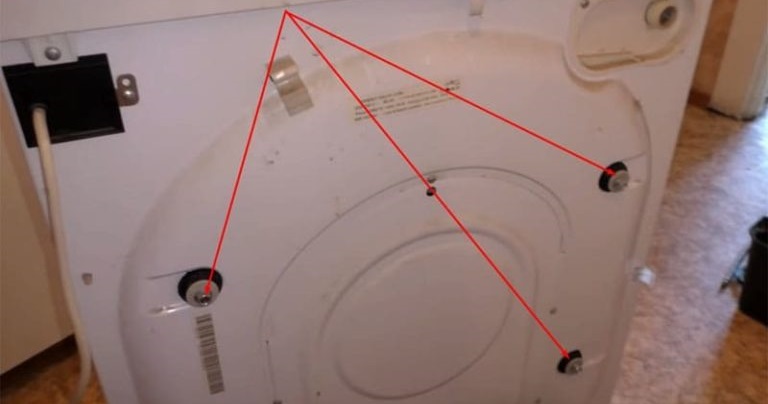















Add a comment