
Washing machine drain hose connector
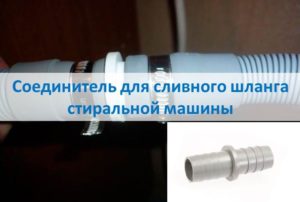 So, what is a washing machine drain hose connector, and what is it used for? Sometimes you need to install the machine a considerable distance from all utility lines. A connector allows you to extend the drain hose in this case. We'll explore how to install it correctly now.
What is the connector for?
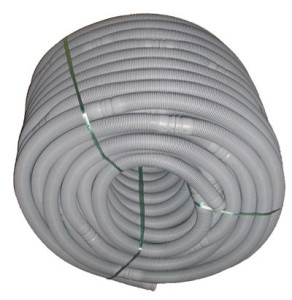
If your drain hose is too short to connect to the sewer without additional parts, you'll need a connector. Hoses come in different lengths, and you can replace yours with a longer one. However, this may be more expensive than using a connector. Therefore, we'll stick with the first option.
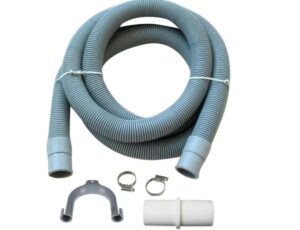
To use the connector, purchase it and also several clamps to enhance the seal. The hose is pulled onto the connector very tightly, but it can still “slip off”; clamps are used to prevent such cases.
The connector itself is a plastic piece resembling a tube. It's sold at any store that sells washing machine parts and costs from $0.30.
How to lengthen?
First, try to carefully measure the required hose length. If it's too short, you'll have to start over, and if it's too long, it could twist during installation or operation, interfering with the machine's operation. Next, follow these steps:
- adjust the length of the hose by cutting off the required piece;
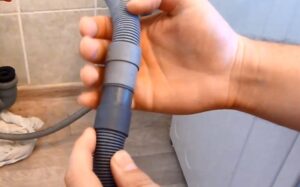
- Pull the hoses onto the connector so that their ends meet in the middle;
- secure them with clamps on both sides;
- connect the hose to the machine and the sewer;
- test the operation of the unit.
Important! Test the machine until the end of the wash cycle to check for leaks at the hose connector when draining.
We make do with improvised means
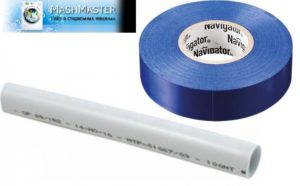 Some claim that extending a hose doesn't require a trip to a specialty store to purchase a connector. A piece of metal-plastic tubing can be used instead. You'll also need the same clamps and hoses, as well as electrical tape.
First, electrical tape is wrapped around the tube to match the thickness of the hose (usually thinner). Furthermore, these connectors are equipped with a special seal that improves the seal. Since the metal-plastic pipe is not designed for this purpose, it requires additional sealing. This is what the electrical tape provides.
Next, do the same as with the drain hose connector.The ends of the hoses should meet in the middle and be securely fastened with clamps. Continue testing until the end to ensure no water leaks and that your structure is sufficiently sealed.
As you can see, it's not that difficult. So if you're too lazy to go to the store for a connector or just happen to have a piece of metal-plastic pipe on hand, you can try this method. In principle, with the right approach, it's just as good as using a special connector.
Interesting:
Readers' comments
Headings
Washing machine repair




For buyers




For users


Dishwasher




Add a comment