
How to choose a connecting element for a dryer?
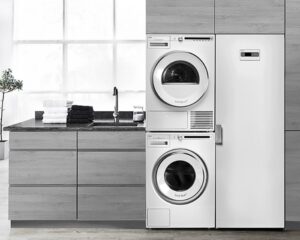
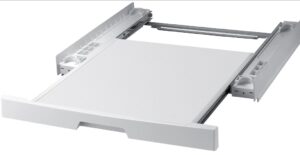 Most dryer models can be stacked with a washing machine. The drying unit is positioned on top and secured with special fasteners. We'll explain how to choose a dryer connector and what to consider when purchasing docking kits.
Design features of connecting parts
There are two ways to attach the dryer to the washing machine. The first option involves fixing the devices with bolts. In this case, you will have to drill holes in the washing machine and washing machine for the screws.
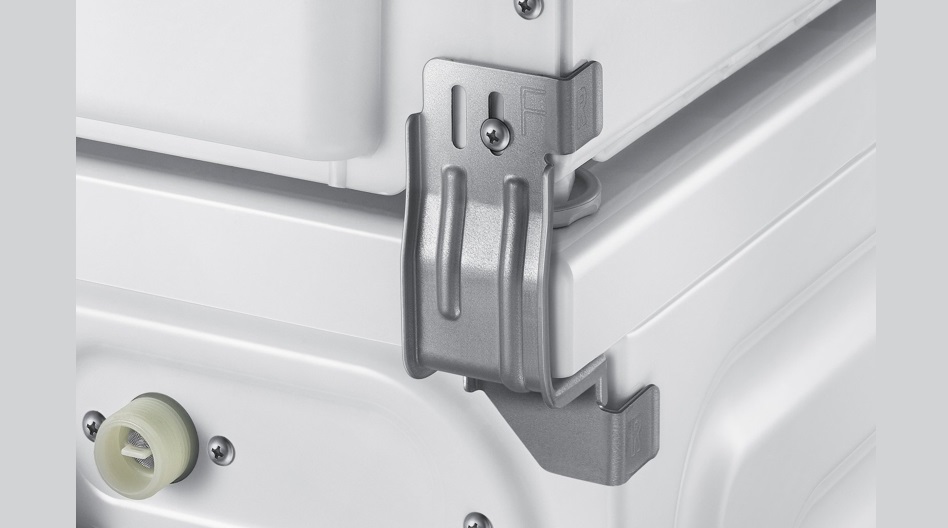
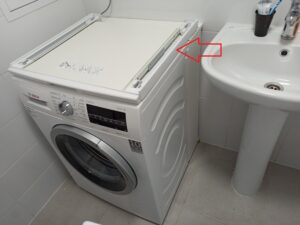
The second option is to stack the washing machines, securing them using the notches in the connecting element and self-adhesive rubber bands. Experts also recommend securing the dryer and washing machine with a truss strap.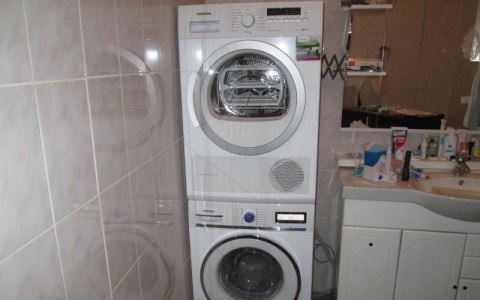
Also, when choosing the second method, it's advisable to additionally secure the column connector to the wall. This can be done using special lugs on the connecting kit or with ties.
Docking brackets are often supplied with the dryer.
If the manufacturer allows for stacking the dryer with a washing machine, a proprietary docking element is usually included. The equipment's instructions will also describe how to properly secure the dryer.
Some docking elements are designed with a built-in pull-out shelf for clothing. This simplifies loading and unloading items from devices. When choosing docking brackets, look for this feature.
Examples of docking kits
Universal connecting elements are available for purchase, so finding the right fasteners shouldn't be a problem. These are the following connecting kits:
- SKK-DD (white);
- SKK-UDX (steel);
- SKK-UDW (white).
The SKK-UDW and SKK-UDX universal connectors are not suitable for Chinese-made Samsung dryers with a maximum load of 6-8 kg and a cabinet depth of 55 cm. These machines require the SK-DA bracket set, which is not included with these docking kits.
You can find out which docking kits are suitable for your SM model in the equipment instructions, in the "Installation" section.
Therefore, before purchasing a connecting kit, it's best to consult the user manual. The manufacturer describes in detail how to attach the dryer to the washing machine and what is required.
Tips from the experts
When deciding on a vertical method of placing machines, it is worth considering a number of nuances. It is important to ensure the stability of the column so that the dryer does not fall during further operation. Let's discuss the main points that need to be emphasized.
- Use only high-quality fasteners.
- Before installation, calculate the load the wall will have to support. Do not attach the column to a drywall surface.
- Machines should not be placed close to the wall; a small gap of a few centimeters must be left (as the equipment will vibrate during operation).
- It's advisable to purchase a tumble dryer and a washing machine from the same brand. This will create a harmonious column and eliminate any difficulties with selecting fasteners.
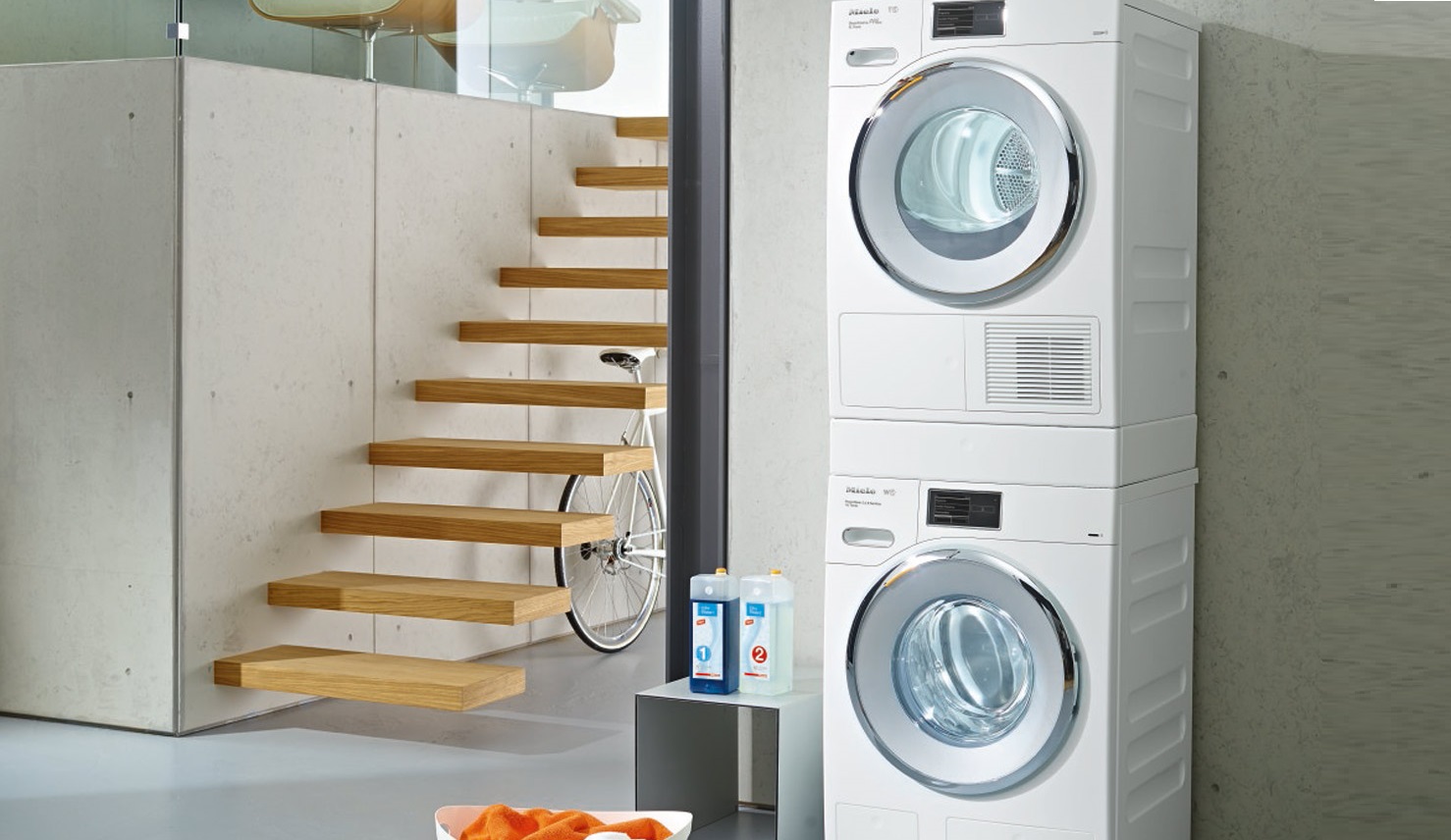
- If the machines are from different manufacturers, you should choose units of the same size. The washer's body cannot be smaller than the dryer's.
- You should not run the washing machine and dryer at the same time, as this can create increased vibration and loosen the fasteners.
- The dryer must be placed on top, and never vice versa. The washing machine weighs significantly more and vibrates more during operation.
If you're unsure whether you can securely attach the column, it's best to entrust the installation to professionals. Professionals will install the dryer over the washing machine quickly and correctly. This service is inexpensive.
Interesting:
Readers' comments
Headings
Washing machine repair




For buyers




For users


Dishwasher




Add a comment