
Composition of washing gels
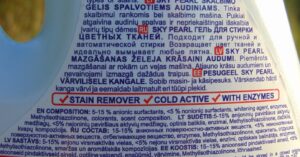 Today, many consumers prefer to buy laundry gels. The advantages of liquid detergents are that they dissolve quickly in water, resulting in better cleaning and complete rinsing from fabric fibers. They are also attractive due to their economical use and, often, safe formula.
Let's explore the ingredients found in laundry gels. What are the pros and cons of liquid detergents? How to use them correctly, and which brands are worth considering?
Components of washing gel
What should a good gel's composition be? It's best to choose hypoallergenic products without harsh ingredients that could cause a negative reaction. The basis of the liquid powder is usually surfactants, most often of the anionic type. They effectively remove various types of stains.
The composition of laundry detergent may also include:
- oxygen or optical brighteners;
- functional additives;
- antifoam agents;
- enzymes (they effectively fight organic stains in cold water);
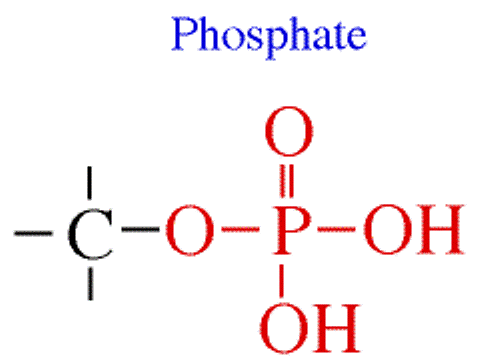
- phosphates, zeolites and phosphonates (used to soften hard water and are also responsible for the effectiveness of surfactants);
- flavorings;
- preservatives;
- components that protect the washing machine from scale and limescale.
Washing gels usually contain fewer harmful substances than powders, and are therefore much less likely to cause allergies.
The manufacturer always lists the product's ingredients on the packaging. It's best to buy gels that don't contain phosphates, chlorine, optical brighteners, fragrances, or other ingredients that can cause allergic reactions. Particular care should be taken when choosing liquid laundry detergent for children's clothes.
What are the ingredients of the most popular gels?
The ingredients in any cleaning product are always listed on the packaging. Therefore, you can familiarize yourself with this information before purchasing the gel. This allows you to choose a truly high-quality product.
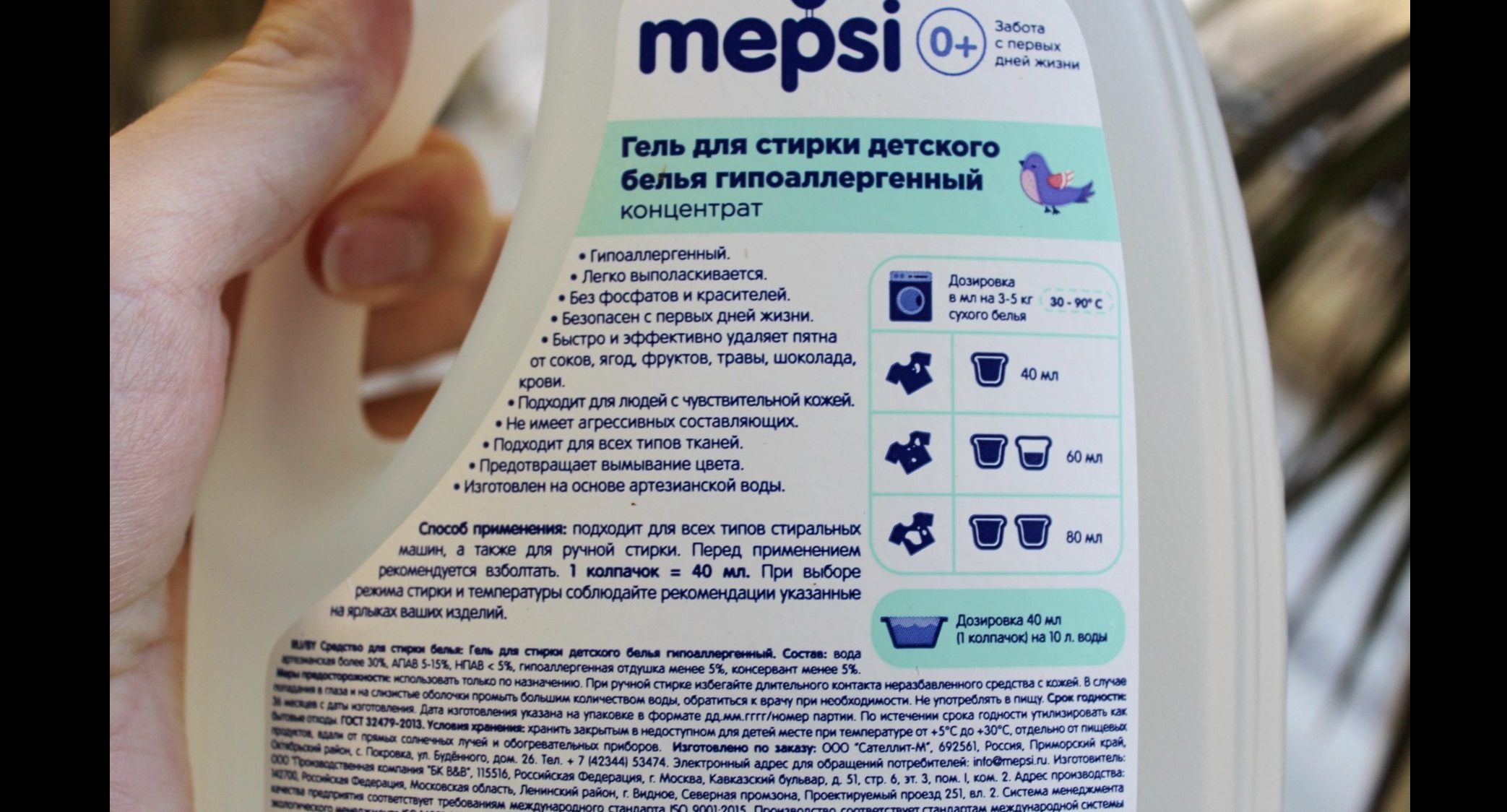
Mepsi gel laundry detergent, developed specifically for washing children's clothes, has a safe formula. It's hypoallergenic, phosphonate- and dye-free, and made with artesian water. A two-liter bottle costs about $5.50—it's enough for an average of 25 cycles.
Mepsi gel contains:
- more than 30% artesian water;
- APAV 5-15%;
- Nonionic surfactants up to 5%;
- preservative;
- hypoallergenic fragrance.
This Korean product is safe even for newborns. It can be used in both hand and machine washing. Gel Mepsi Works effectively at any temperature and is completely rinsed out of fabric fibers.
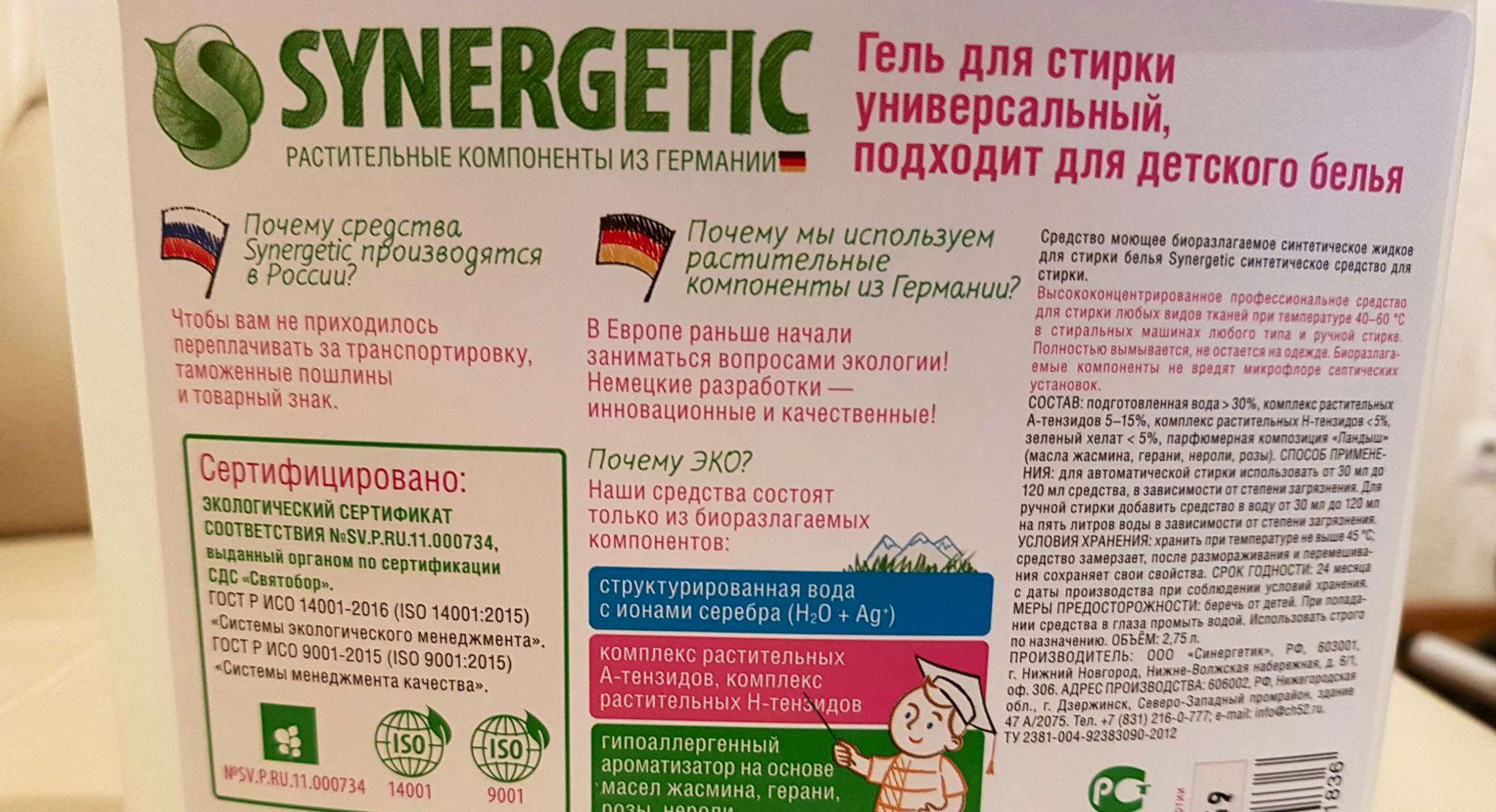
Synergetic laundry gel is very popular. It's approved for use on the entire family's clothes. This biodegradable product is certified environmentally friendly. Ingredients:
- prepared water;
- glycerol;
- A-tensides and H-tensides (active substances from vegetable oil);
- green chelate;
- antiresorbents of plant origin;
- enzymes;
- sea salt;
- perfume composition;
- preservatives.
Eucalyptus and orange essential oils impart a pleasant scent to the gel. It's machine and hand-washable. Reviews suggest Synergetic liquid laundry detergent effectively removes all types of stains.
Another eco-friendly and safe gel is BioMio with cotton extract. Suitable for all fabrics, including delicates. It can be used for children's clothes and those with allergies. Ingredients:
- up to 5% anionic surfactants;
- soap;
- amphoteric and nonionic surfactants;
- glycerol;
- citric acid;
- cotton extract;
- preservative;
- complexing agents.
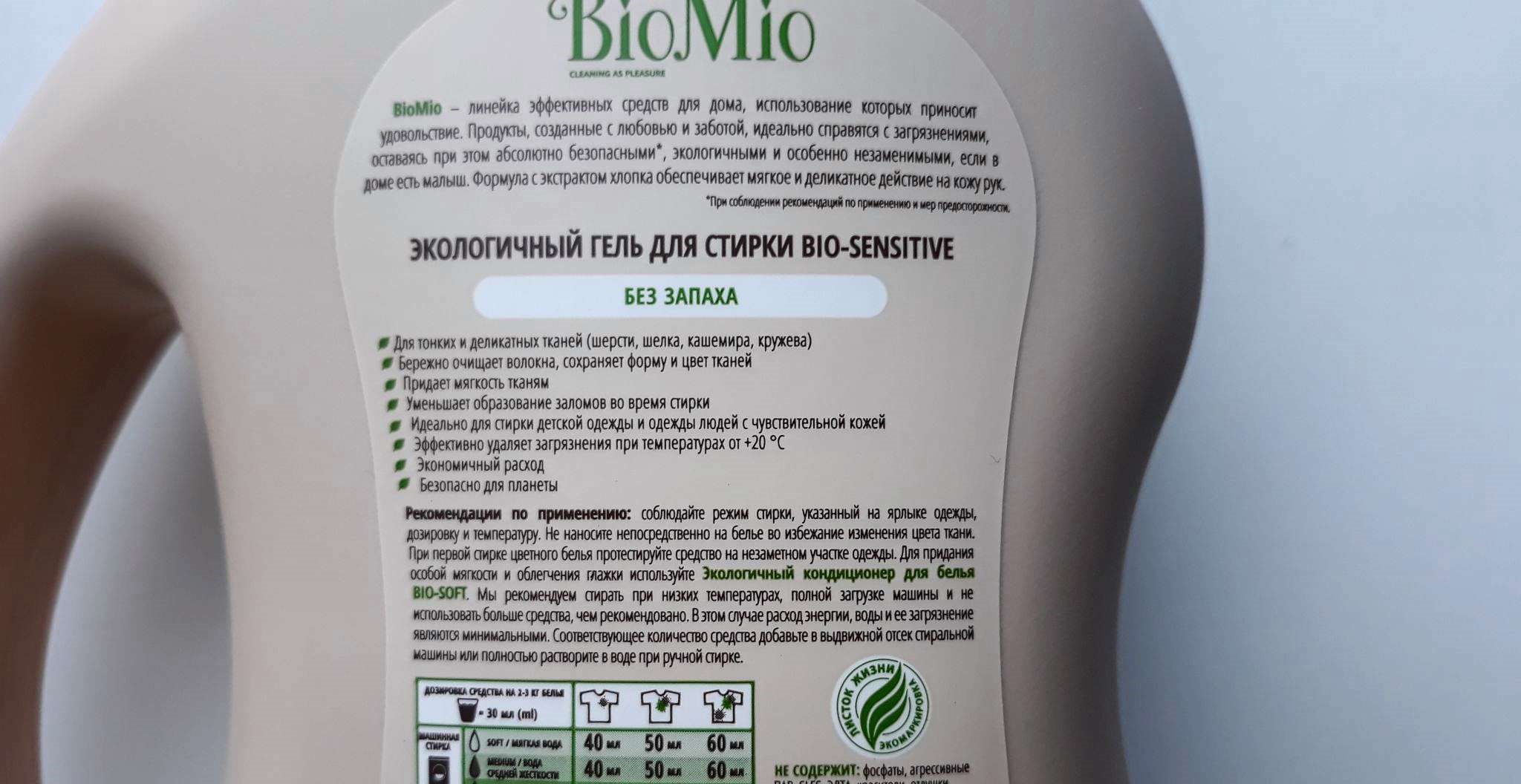
This biodegradable product has an antibacterial effect, is hypoallergenic, and non-irritating. It does not contain harsh ingredients such as phosphates, phosphonates, chlorine, or petroleum derivatives. A liter bottle, good for 20 washes, costs approximately $3.50.
For more budget-friendly options, you might consider Laska Aroma Care Gel. A 3.85-liter bottle costs about $9. This bottle is enough for approximately 60 washes.
Laska washing gel contains:
- 5-15% anionic surfactants;
- up to 5% nonionic surfactants;
- soap;
- phosphonates;
- enzymes;
- preservative;
- fragrance;
- dye.
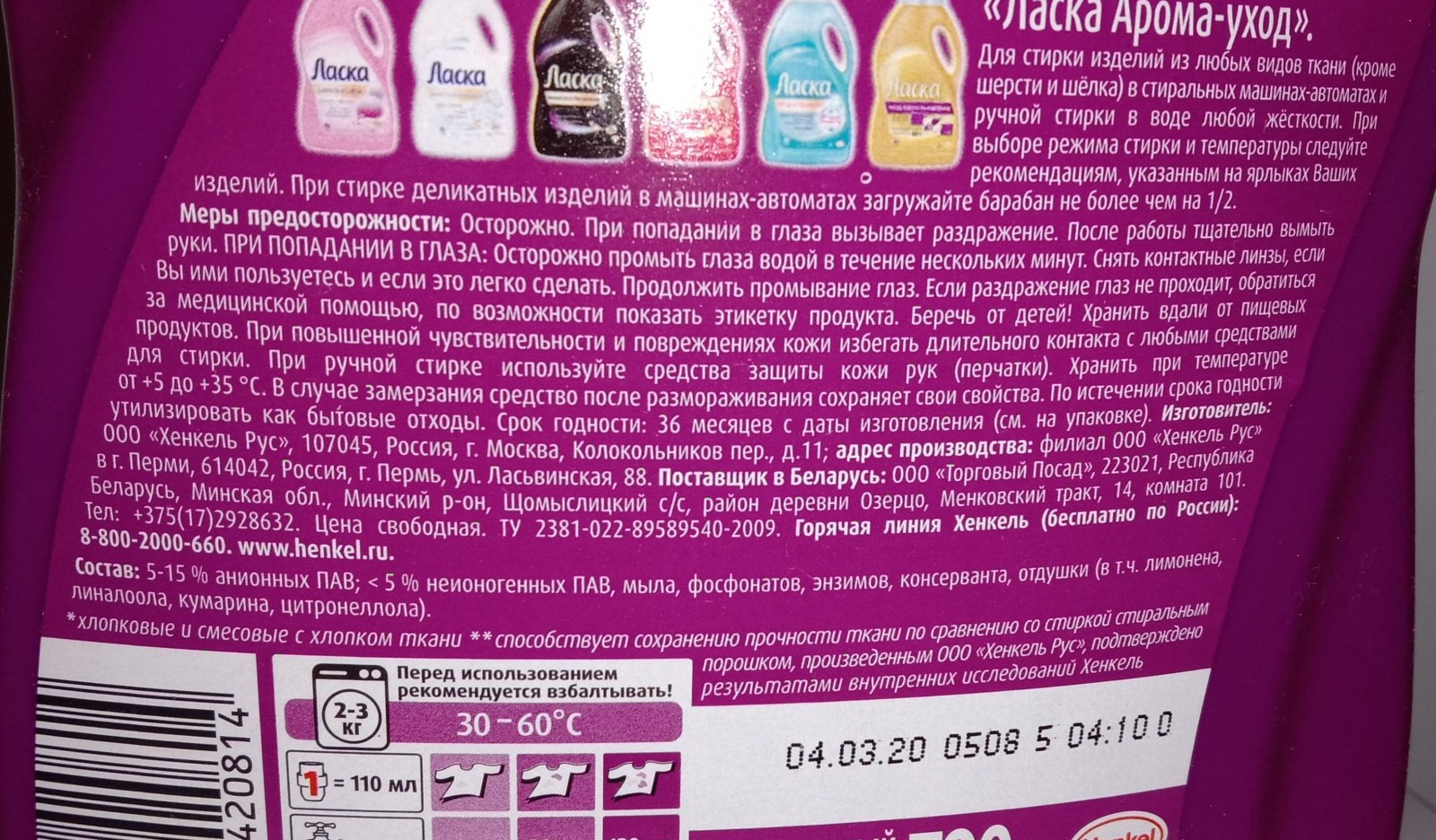
This liquid detergent effectively and gently removes stains, leaving a pleasant, subtle scent of freshness. Laska Aroma Care maintains the brightness of fabrics, preventing fading. Recommended dosage is listed on the gel packaging.
One of the best-selling gels is Tide Color. This powerful product tackles even stubborn stains. Ingredients: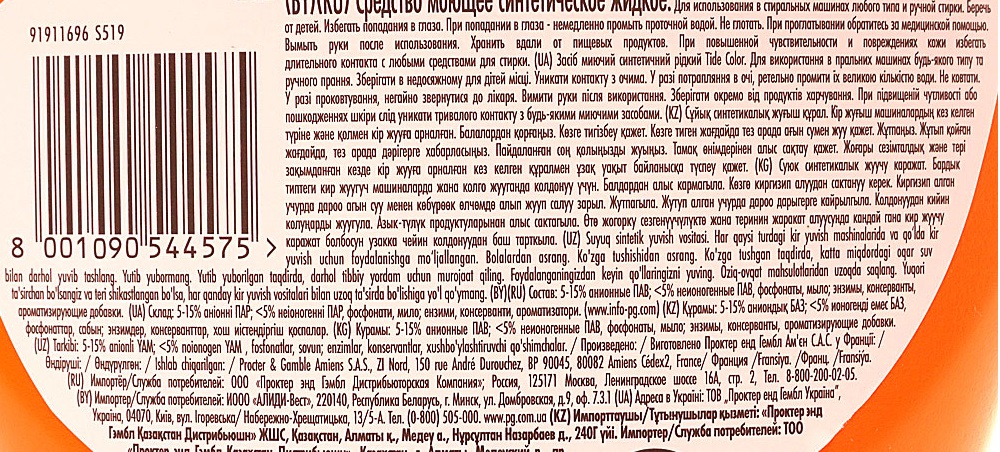
- 5-15% anionic surfactants;
- less than 5% nonionic surfactants;
- phosphonates;
- soap;
- enzymes;
- preservatives;
- flavoring agent.
Tide Color liquid laundry detergent helps maintain vibrant colors cycle after cycle. It can also be used on whites. The concentrate is ideal for both hand and machine washing. A liter costs about $4.
Pros and cons of this product
These days, many housewives are turning to laundry gels. What are their advantages over regular laundry detergents? Let's find out.
Among the advantages of the gel:
- dissolves completely and without residue;
- works with maximum efficiency even in cold water;
- usually contains little or no phosphonates;
- can be used for both hand and machine washing;
- gently affects the fabric without destroying the structure of its fibers;
- is characterized by economical consumption;
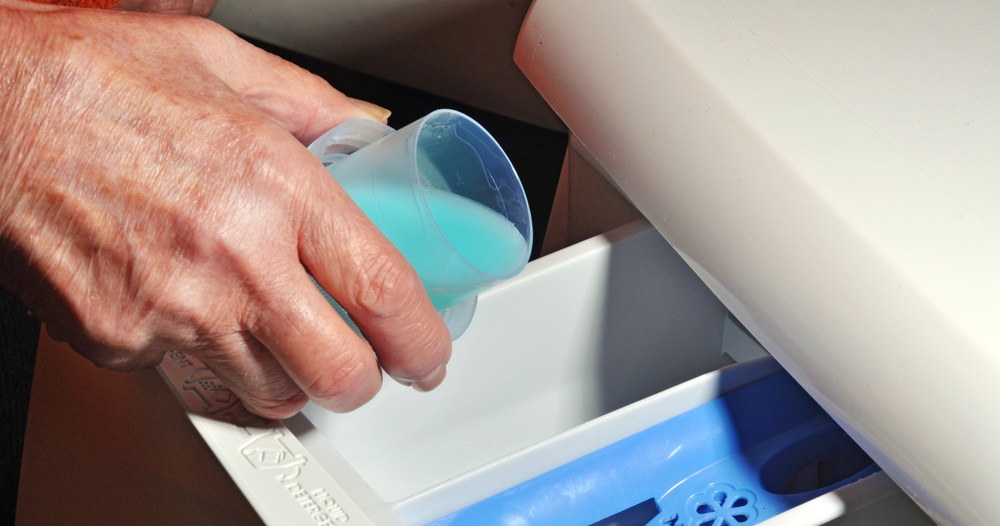
- conveniently dosed (with a cap that closes the bottle);
- does not cause allergic reactions when loaded into a washing machine (since it does not create dust suspension in the air);
- easily rinses out of fabric without leaving streaks;
- does not clog sewer pipes;
- safer for the environment.
Most gels contain substances that protect the washing machine, preventing the formation of scale on its internal parts.
There are also some disadvantages of laundry gels compared to washing powders:
- liquid products are more expensive;
- Gels are less effective at removing old, ingrained stains – in these cases, pre-soaking is usually required.
Looking at the pros and cons, gels still have the advantage. Liquid detergents are safe, hypoallergenic, and provide effective care for the clothes of all family members. And as for price, it's not that much more expensive than granules.
How to use the gel correctly
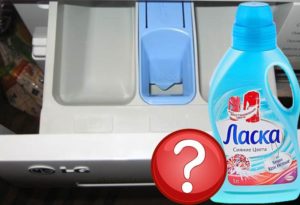
How to use liquid detergent? The product is also added to the detergent dispenser. The gel should be poured into the main wash compartment. This is usually the central compartment of the cuvette.
Simply put, gel detergent is loaded into the same compartment as regular powder detergent. Some washing machines have a special drawer for liquid detergents. This can be removed when using granules.
You can also pour the gel directly into the drum. It's best to use a special container for this purpose. These can be purchased at a hardware store or online.
If you don't have a container, measure out the required amount of gel, dilute it with a small amount of water, and pour the solution into the drum under the laundry. This precaution is necessary to ensure that the components of the liquid detergent don't damage the laundry.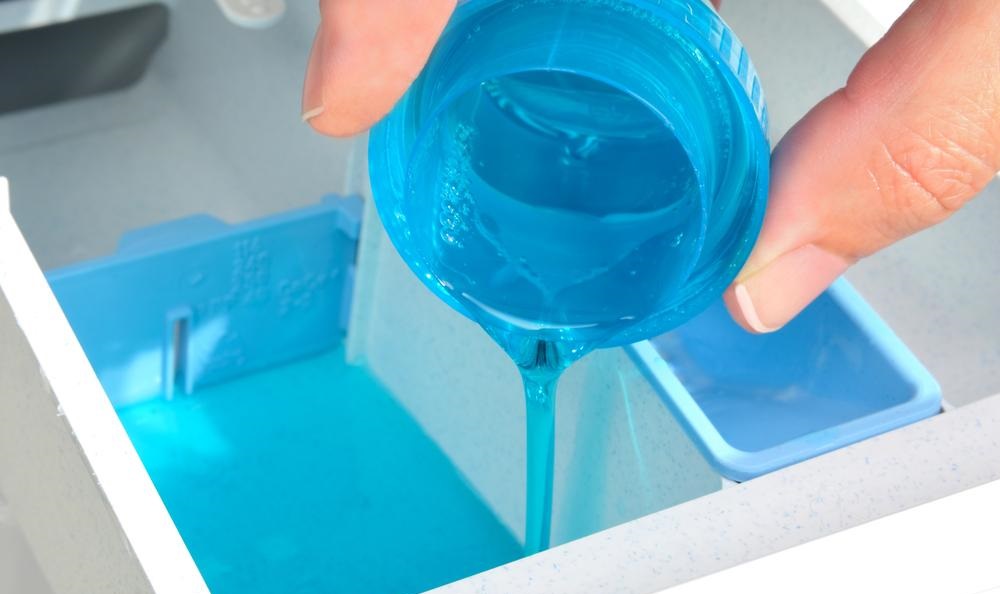
The gel dosage is determined based on the load, water hardness, and soiling intensity. Recommendations are provided on the packaging. To achieve the most effective results, homeowners often adjust the dosage experimentally.
Standard consumption of liquid product:
- 2 caps for 5 kg of laundry with medium soiling;
- 3-4 caps if there are more items or they are very dirty.
Each manufacturer indicates the recommended dosage on the product packaging.
If you don't use enough gel in your washing machine, it can leave stains on your clothes. Using too much can cause excessive foaming, which can lead to damage to your machine.
Interesting:

Readers' comments
Headings
Washing machine repair




For buyers




For users


Dishwasher




Add a comment