
What does dishwasher salt consist of?
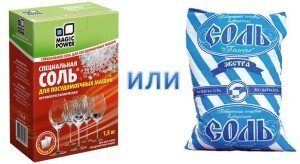
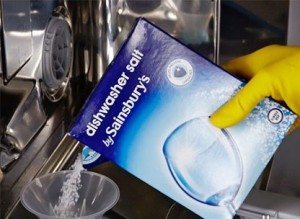
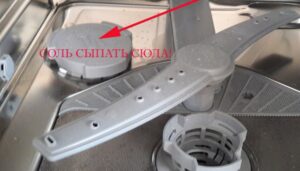
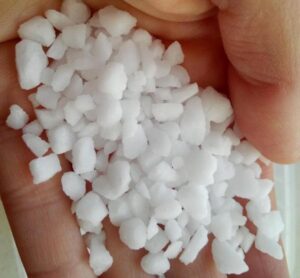 The performance of any dishwasher directly depends not only on the detergents chosen, but also on the salt selected. The correct composition of dishwasher salt can preserve the life of the ion exchange unit for many years, so choosing salt granules should be approached with the utmost care. Today, products from dozens of different brands are widely available in Russia, so it's not always easy to determine which one is best. Housewives also always have questions about ordinary table salt: can it be added to their "home helper" instead of special salt? Today, we'll explore this question in detail and also choose the best salt for household appliances.
Why shouldn't you add table salt?
Table salt is typically used simply because it's significantly cheaper than special salt, and their composition is virtually identical. If you use table salt in a dishwasher, it won't cause any problems at first, as special salt is 99.99% pure, completely free of impurities. The problem is that regular salt does not undergo as many special cleaning procedures as special salt for household appliances. Because of this, regular salt contains many impurities, such as carbonates, iron, and iodine, which are harmless to humans but harmful to dishwashers. Over time, these impurities will settle at the bottom of the salt tank, impeding water flow and significantly reducing the amount of salt reaching the ion exchanger, increasing the risk of scale buildup.
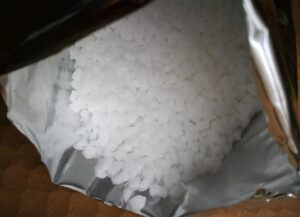
For the same reason, iodized salt, while so beneficial for the human body, is harmful to complex appliances. Furthermore, special dishwasher salt is specially designed to be particularly large. This ensures that the salt granules dissolve evenly in the machine, maintaining the proper functioning of the ion exchanger. Regular table salt, even coarsely ground, dissolves very quickly in the machine, increasing the risk of neglecting the salt reservoir. Failure to refill the reservoir promptly will also damage the ion exchanger.
Some dishwasher owners also don't wait for the salt to completely dissolve, believing that salt isn't necessary for their dishwasher to function properly. Again, the appliance can operate normally without salt for a short time—a couple of weeks or a month. Dishes will be washed clean, the ion exchanger will soften the water, so from the outside, all seems well. However, internally, the appliance will slowly fail, as the resin from the ion exchanger is rapidly washed out. Eventually, the water softening unit will fail, and the dishwasher will either stop working completely or begin washing dishes poorly.
It is possible not to use salt for the dishwasher only if you have high-quality soft water in your tap.
Therefore, the bottom line is simple: don't go against the recommendations of experts and appliance manufacturers. If your tap water quality is unsatisfactory, never leave your dishwasher without salt, or with regular table salt, as this could damage the expensive ion exchanger, which will be significantly more expensive to replace than special dishwasher salt.
Saving on salt the right way?
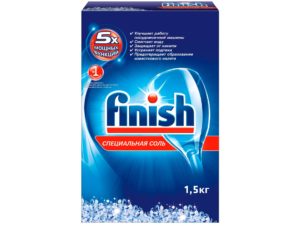
While dishwasher salt isn't something you should skimp on when using your appliance, you can save money by choosing a product that offers a good price-quality ratio. The popular Finish salt is certainly good, but it can't be said that there is some special component that is included in this salt and not included in another. The composition of special dishwasher salt is essentially the same for all products, so we've compiled a list of five products that could be excellent alternatives to the popular Finish brand.
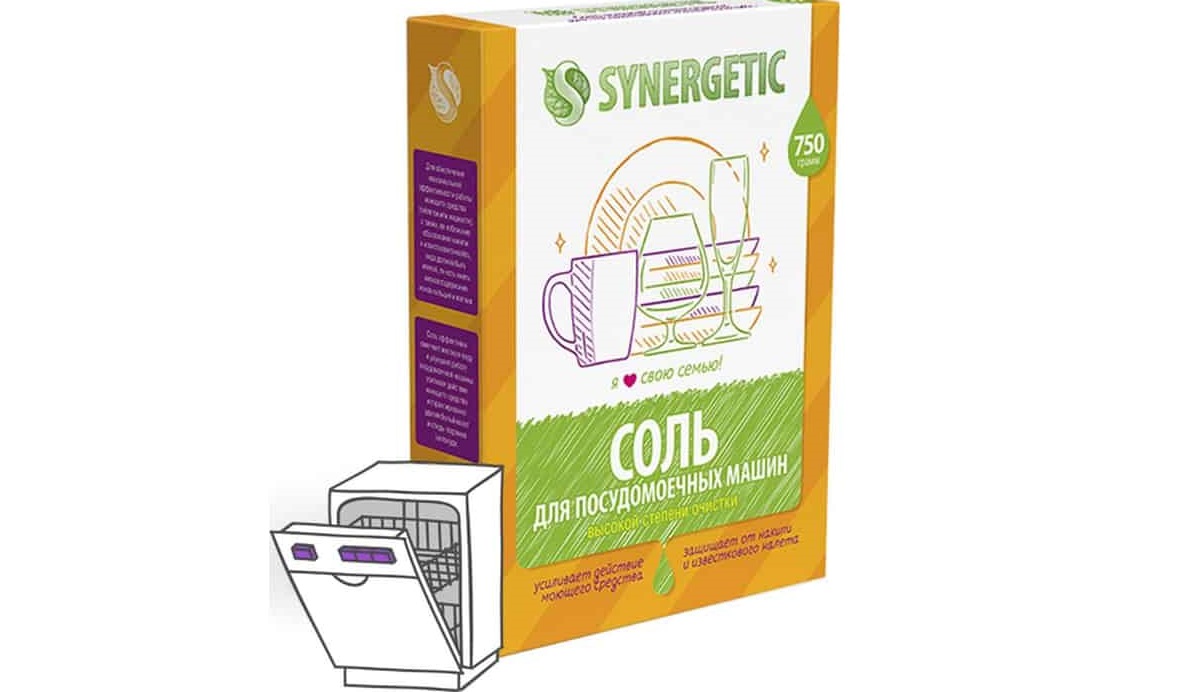
- Synergetic High-Purity Dishwasher Salt, 1.5 kg, is a product from Synergetic, a company rapidly gaining ground in the Russian household chemicals market. This salt has received a near-perfect rating on Yandex.Market—a whopping 4.9 stars, based on 39 reviews. Customers praise this brand for its extra-large granules, which dissolve slowly in dishwashers, and for its price—just $2.20, significantly cheaper than a pack of Finish salt.
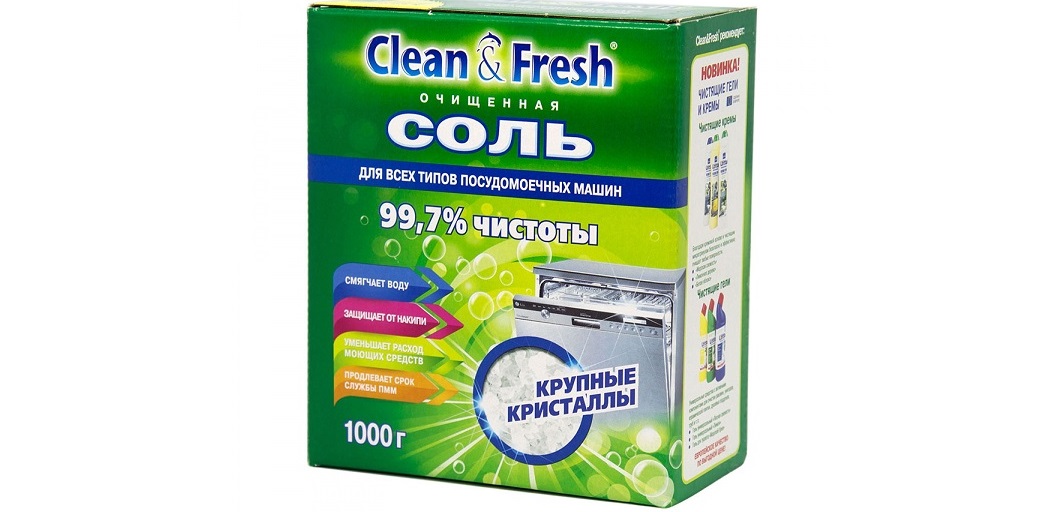
- Clean & Fresh Purified Dishwasher Salt, 1.8 kg, received a slightly lower rating than the previous product in our top list, but still a very high one – 4.8 stars based on 182 user reviews. The manufacturer claims that this salt has less than 0.3% insoluble residue, making clogs in your dishwasher due to poor-quality salt a thing of the past. The price is slightly higher than the previous product, but this pack is also heavier – $2.64 for a 1.8 kg pack.
- Jundo Silver-Ionized Dishwasher Salt, 3 kg – another salt granule with an average rating of 4.8 on Yandex.Market, based on 75 customer reviews. No negative reviews were found for this product, as customers praise the longevity of a single pack, which lasts several months. Considering the low price of $2.98 for 3 kilograms of salt, this is one of the most economical choices.
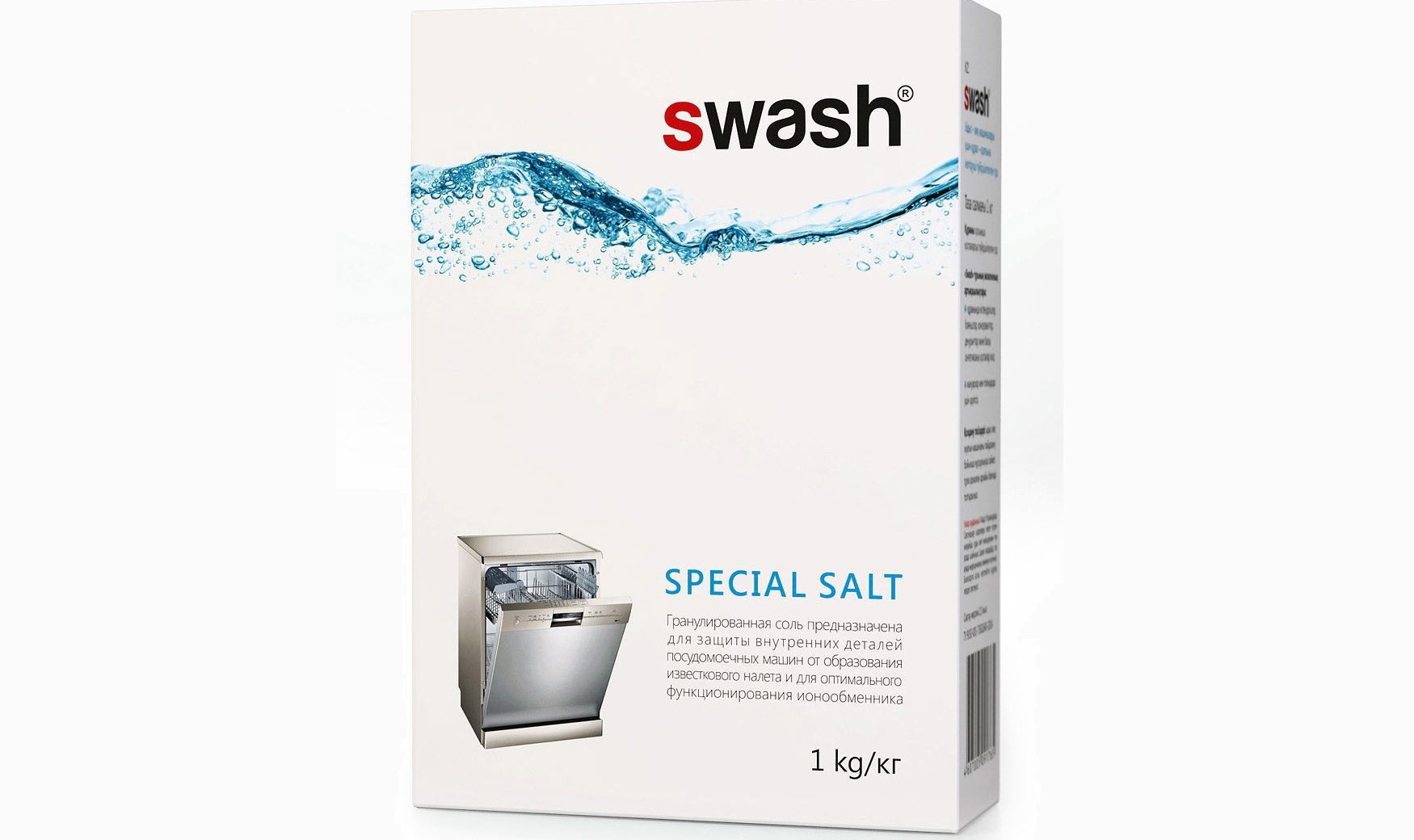
- SWASH granulated salt, 3 kg, also boasts an extended shelf life, thanks not only to its large pack size but also to its large, crystal-clear granules. The price is also reasonable for this volume of salt – $3.19 per pack.
- Celesta Dishwasher Salt, 2 kg, is the lowest-rated product in this selection, but certainly not the lowest. 222 customers gave this salt an average rating of 4.7 on Yandex's aggregator, making it the most popular product among those reviewed today. This brand's immense popularity stems from its price—just $1.77 for a full 2 kilograms of high-quality, large salt crystals.
As a result, there are plenty of dishwasher salts to choose from on the market even without Finish. But you can save money not only by choosing household chemicals, but also by understanding the hardness settings of your favorite “home helper.” Typically, during the initial setup of a dishwasher, service center technicians set the water hardness to the maximum setting in case the city's tap water is extremely hard. In this mode, salt of any size will dissolve very quickly in the appliance.
You can find out the hardness level of your water either by visiting the official website of your city water utility or by testing the water yourself using test strips.
If your dishwasher's inlet water is soft, you can save on special salt and use it sparingly or not at all. To adjust the water hardness level, consult your appliance's instructions. However, if your city's tap water is hard, don't even try to reduce salt consumption—the savings will be minimal, but you could fatally damage the ion exchanger.
Interesting:
Readers' comments
Headings
Washing machine repair




For buyers




For users


Dishwasher




Add a comment