
What products should I use for a dishwasher with a septic tank?
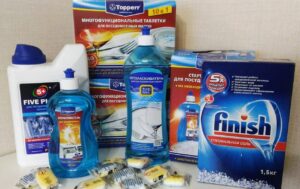 In private homes with a septic tank, careful consideration should be given to choosing household chemicals. Shampoos, gels, and soaps won't harm the microflora in the septic tank, but detergents containing chlorine and other harsh ingredients will be harmful to the microorganisms in the septic tank. Let's explore the best detergents for a dishwasher with a septic tank and explain the dangers of harsh household chemicals in the septic tank.
What can happen to a septic tank?
Today, many people are concerned about using only safe cleaning products. Harsh household chemicals are harmful not only to the environment but also to human health. Therefore, people often prefer eco-friendly, biodegradable products.
This problem is especially acute for owners of private houses with an autonomous sewage system. The septic tank is home to microorganisms that process human waste. Bacteria can't handle all types of wastewater, so manufacturers strictly limit what can and cannot be discharged into the septic tank.
The aggressive chemicals contained in dishwasher detergents pose a great danger to the bacteria that inhabit the septic tank.
For example, the chemicals found in cheap and low-quality dishwasher tablets and powders kill the microorganisms living in the septic tank. This impairs the septic tank's functionality. It's important to prevent the following from entering the local wastewater treatment system:
- chlorine;
- sulfates;
- acids;
- phosphonates;
- ammonia;
- oil refining residues;
- phenols and other aggressive substances.
If you don't follow these recommendations, the bacteria in the septic tank will eventually become very few and unable to function properly. To fix the problem, you'll have to clean the septic tank and repopulate it with microorganisms. This can take several months. Therefore, it's best to prevent the microflora in the tank from dying out.
Septic tank compatible products
When choosing dishwasher chemicals (salt, rinse aid, and tablets), it's important to be careful. Not only will the cleaning results of your cutlery depend on them, but also the health of your family members. Preference should be given to safe, environmentally friendly compositions.
Before purchasing a new dishwasher detergent, carefully read the ingredients listed on the packaging.
In principle, any safe cleaning product can be used in homes with a septic tank. Eco-friendly formulations do not contain harsh ingredients that would harm the bacteria that inhabit the septic tank. Let's explain what kind of "chemical-free" cleaning product we're talking about.
- OPPO biodegradable tablets. They are manufactured in Russia using German technology. They are based on natural enzymes and oxygen. The capsules are hypoallergenic and odorless. They are also suitable for cleaning baby dishes. A pack of 84 tablets costs approximately $19.
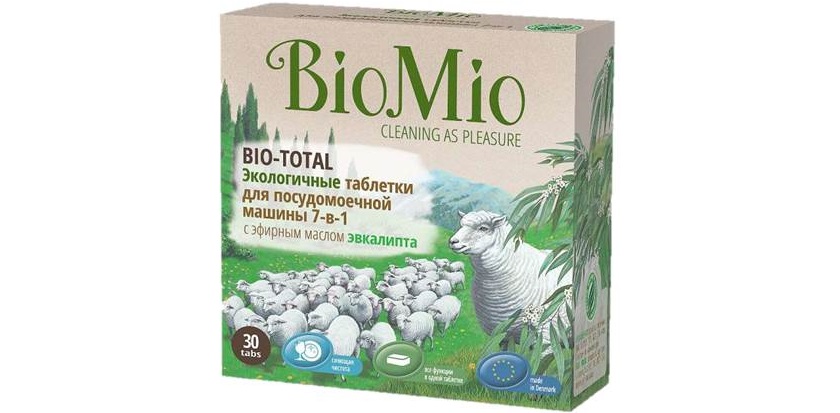
- BioMio tablets. Made with eucalyptus oil, they are completely safe for the body and the environment. The capsules effectively remove any stains, even in cool water, ensuring high-quality cleaning. They prevent scale buildup. They are chlorine-free, phosphate-free, and contain no shock absorbers. A three-month supply costs approximately $26–$27.
- Synergetic ECO-tablets in a water-soluble film are free of phosphates, phosphonates, chlorine, and petroleum derivatives. They effectively remove stains without leaving stains on dishes. They are hypoallergenic and odorless. The biodegradable components of the capsules do not harm the microflora of septic systems. One hundred tablets cost approximately $20. The manufacturer's line also includes dishwasher salt and rinse aid, which are safe for use in stand-alone sewer systems.
- Clean and Fresh All-in-1 Biodegradable Tablets tackle even dried-on stains and eliminate unpleasant odors. Each capsule contains rinse aid, ensuring streak-free dishes. This product not only cleans but also protects the internal components of the dishwasher from scale buildup, softening hard water. It uses oxygen and enzymes and is chlorine-free. Safe for use in sewer systems. A 100-tablet package costs approximately $20.
- Garden Eco Vegan phosphate-free tablets in a soluble coating remove food residue, grease, and plaque from dishes without leaving a trace. They work effectively even in cold water. There's no need to use salt or rinse aid with the capsules—they perform the functions of these products. They are free of chlorine, zeolites, phosphates, parabens, and other harsh ingredients. They have an antibacterial effect and are suitable for septic systems. 30 tablets cost about $4.
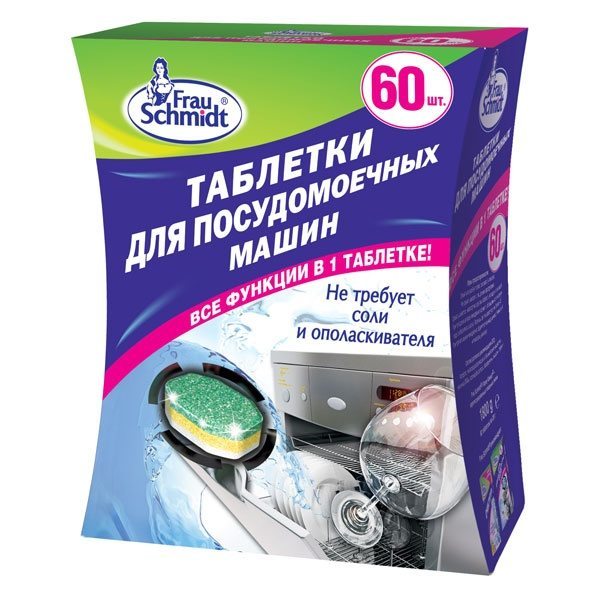
- Frau Schmidt dishwasher tablets are suitable for use in homes with septic tanks. They contain no harsh ingredients that could disrupt the septic tank's microflora. They don't require the simultaneous use of salt and rinse aid. They contain natural enzymes. They are suitable for all dishes and protect dishwashers from limescale. A box of 100 capsules costs $15.
- Synergetic dishwasher salt is essential for dishwasher maintenance. It softens water and protects the appliance's internal components from scale, preventing limescale buildup. This brand's salt is 100% natural and contains no preservatives, dyes, or technical additives. It is completely safe for septic systems. A 750-gram package costs $1.80–$1.90.
- Bravix dishwasher powder from a German manufacturer easily tackles any stain. The concentrated product requires minimal consumption, so one bottle will last a very long time. It uses active oxygen and is chlorine-free. A kilogram bottle costs just $3–$3.50.
- BioMio dishwasher rinse aid. This comprehensive product prevents plaque and streaks while improving dishwashing efficiency. Suitable for use in homes with a separate sewer system. 750 ml costs approximately $3.50.
The list of safe cleaning products can be expanded. Today, brands that prioritize eco-friendliness are constantly entering the market. Therefore, before purchasing any unfamiliar products, carefully read the ingredients on the packaging.
Interesting:


Readers' comments
Headings
Washing machine repair




For buyers




For users


Dishwasher




Add a comment