
Homemade dishwashing detergent
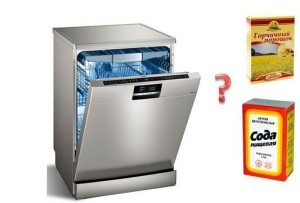 We're increasingly concerned about how to avoid the vast amount of harmful chemicals present in our lives in the form of laundry detergents, dishwashing detergents, gels, sprays, and other substances. Besides health concerns, many are also concerned about the financial impact, as manufacturers advertise dishwashing detergents at inflated prices. This is why we can't help but wonder: Is it possible to make your own dishwashing detergent and use it in the dishwasher? Will it be safe for both the machine and people, and will it clean well? Let's try to figure this out.
Preparing a dishwasher detergent
Most dishwasher detergents and liquids contain surfactants (surfactants) that allow the detergent to foam, various acids that cut through grease, and water softeners. They may also contain bleach, sodium silicate (which prevents metal corrosion), enzymes, brighteners, thickeners, and other substances with difficult-to-pronounce chemical names.
The impact of such substances on human health is controversial. In small quantities, they are indeed harmless, and some can even be found in food or medications. But is it possible to substitute these ingredients to make your own dishwasher-safe dishwashing detergent? We found several such recipes.
Recipe #1: Dissolve 1 teaspoon of washing soda in one glass of hot water, then add 1 teaspoon of hydrogen peroxide. This safe solution may not remove burnt-on pans, but it can be used to clean plates, spoons, forks, and other small utensils without damaging your dishwasher.
Important! When using this liquid dishwashing detergent, it's essential to add salt to the dishwasher.
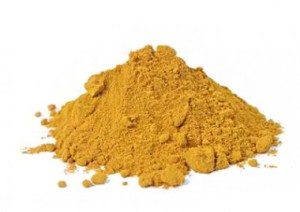 Recipe #2. Another mustard-based cleaning solution can be made. Yes, specifically mustard, which foams well and cuts through grease. Mix half a cup of dry mustard with half a cup of borax and one cup of washing soda. Store the mixture in an opaque container in a dark place.
It's worth noting that some users have a negative attitude toward this recipe, citing that mustard doesn't dissolve well in water, clogs the spray nozzles, and doesn't rinse off dishes. But opinions vary, and some have no problem with this homemade solution. Incidentally, it can be used not only in the dishwasher but also when washing dishes by hand.
Recipe #3. This recipe is more budget-friendly, although the use of surfactants is negligible and won't affect human health, unless you have allergies. Amateur chemists, having thoroughly analyzed the composition of dishwasher powders, have discovered that a simplified and effective powder can be made at home. To do this, you'll need:
- 25g neonol (surfactant),
- 25g sulfanol (surfactant) and
- 950 g of baking soda or soda ash.
The first two ingredients are commercially available and are necessary for foam production. Baking soda is the base ingredient, as one serving of this powder (30g) contains only 1.5g of surfactant. Pouring 1.5g of the substance into the machine is extremely inconvenient, so baking soda is used as the base ingredient. The cost of this product has already been calculated, so we won't provide the calculations here, but will give a specific figure: 1kg of powder costs about $0.50. As you can see, the savings are obvious. This homemade product is suitable for washing dishes in soft water; in hard water, the use of salt is essential.
Please note! Some ingredients found in commercial detergents may not be necessary, such as sodium silicate, which is used to prevent rust in a car's tank, which is already made of stainless steel.
There are many more home remedy recipes, but they are suitable for hand washing, not for the dishwasher.
DIY pills
Some craftsmen and experimenters have gone even further and have come up with ways to not just make powder at home, but also prepare tablets. Tablets are the most popular dishwasher detergent, but they are also the most expensive. Marketers do a great job of attributing unusual properties to them. We've found recipes for making a similar treat at home for much less.
To prepare the first recipe you will need:
- 350 g of washing powder, look carefully at its composition, because it is practically no different from dishwasher powder, except that it does not contain soda;
Important! Both laundry detergent and dishwasher powder are designed to remove grease, proteins, and other dirt from clothes and dishes. Therefore, both powders contain everything you need.
- 150 g of soda ash, which not only helps remove dirt, but also softens water;
- water as a binding element.
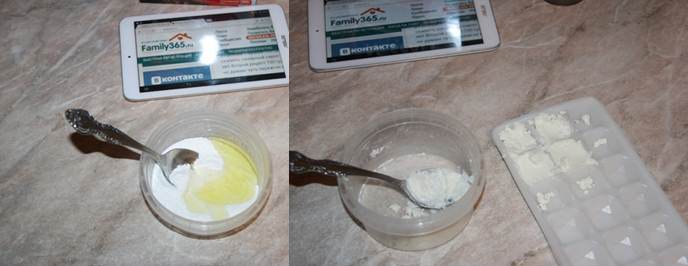
So, mix the dry ingredients, gradually adding water until you get a thick paste. Fill an ice cube tray with this paste, and after a couple of hours, remove the finished tablets. Please note that the form should not be too large; use the size of store-bought tablets as a guide, as the tablet should fit into the dishwasher compartment.
The second recipe is slightly different from the first: you'll need 80 g of baby powder (a milder version), such as "Ushasty Nyan," 18 g of baking soda, and 2 g of liquid dishwashing detergent. Mix the dry ingredients, then add the dishwashing detergent. Place the mixture in ice cube trays until it hardens.
Important! If you use baby powder, the substances that combat protein stains work at temperatures no higher than 400C, therefore, in the dishwasher you need to select the appropriate mode.
The recipes described for making dishwashing tablets at home may not be super eco-friendly, but they are much cheaper and more cost-effective.
For safety, you can use this recipe for making tablets. Take 150g of baking soda, 200g of borax, and half a kilo of Epsom salts (commonly known as magnesia), then mix all the ingredients thoroughly. Then gradually add concentrated lemon juice or citric acid solution until a thick paste forms. Then pour the paste into molds and let it set. Your dishwasher tablets are ready.
Pros and cons of homemade remedies
Judging by the recipes and their ingredients, it's not hard to guess all the advantages and disadvantages of homemade dishwashing detergents. Let's list them for complete clarity, starting with the advantages:
- The main advantage is the low cost: one serving of homemade powder will cost approximately $0.015–$0.02. If you take the well-known Finish, the same serving (30 g) will cost $0.15. A homemade tablet costs $0.017–$0.02, but a factory-made one costs an average of $0.20 per piece. Even if used separately. dishwasher salt, there is a benefit;
- The composition of the home remedy can be changed depending on the needs and characteristics of the dishwasher, by adding more or less of a certain substance;
- When you prepare the product yourself, you know exactly what you're putting in and what you'll be washing the dishes with, making the ingredients safer.
Such means also have their disadvantages:
- Firstly, you will have to spend some personal time to prepare the detergent, although 20-30 minutes is not that much.
- Secondly, the powder and tablets don't have a very aesthetically pleasing appearance. Although, it depends on how you look at it and how you try.
- Thirdly, you will have to experimentally select the dose of such a detergent for one washing cycle., it may turn out that its consumption will be slightly higher than that of the factory product, but at such a cost this does not matter.
So, whether or not to use dishwashing detergent in your dishwasher is up to you. Read reviews on relevant forums, especially since most of them are written by real people, not marketers from well-known manufacturers. Happy experimenting!
Interesting:
8 reader comments
Add a comment
Headings
Washing machine repair




For buyers




For users


Dishwasher




What will be the smell of mustard and baking soda?
There won't be much of a smell. Just don't open the dishwasher right away.
Mustard will clog your dishwasher.
Mustard will clog all the nozzles and ruin the machine. Don't use it!!!
It's true. The man speaks his mind.
I liked the recipe for the pills 🙂
When and how much—essence or acetic acid? And what proportions of vinegar should I add to the dishwasher rinse?
I don't remember anything about sulfanol. However, neonol is prohibited for use in dishwashing because one of its breakdown products when heated is phenol, a recognized carcinogen.