
What is the best way to clean a washing machine?
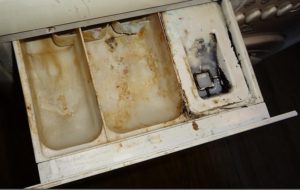
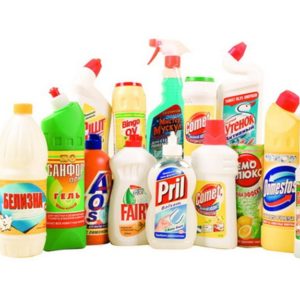 Your washing machine should be cleaned periodically to prolong its life. Which cleaning product is best? Should you make your own or buy it at the store? It needs to be effective enough to remove limescale and odors, yet not harm the appliance. Let's look at what products are approved for washing machine maintenance.
Lemon and other household chemicals
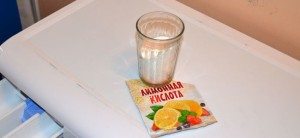
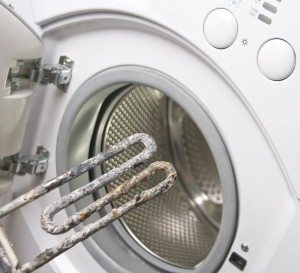
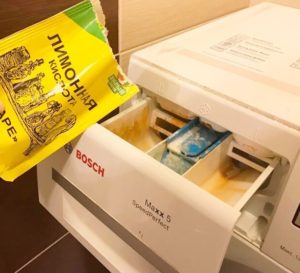
Citric or carboxylic acid is considered an effective way to remove limescale and odor. Pour them into the detergent drawer and set the washing machine to the highest temperature setting. When heated, the acid actively cleans the washing machine, or more specifically its metal components, of limescale.
The amount of detergent to use should be calculated based on the scale of the problem and the size of the washing machine itself. Typically, the calculation is done as follows. About 30 grams of acid are used per 1 kg of load.
If the stains are severe, you can leave the washing machine with the lemon solution overnight. To do this, pour the required amount of detergent into the detergent drawer in the evening and run the wash cycle at maximum heat. As soon as the machine begins the main wash cycle, unplug it. In the morning, plug it back in and complete the cycle. Afterward, check the drain elements and the seal for any loose deposits.
Important! You should clean your washing machine no more than once a quarter.
You can find numerous recipes online for removing limescale, dirt, and odor from your washing machine. We've compiled the most effective and safe options for extending the life of your appliance. So, what other methods can you use at home?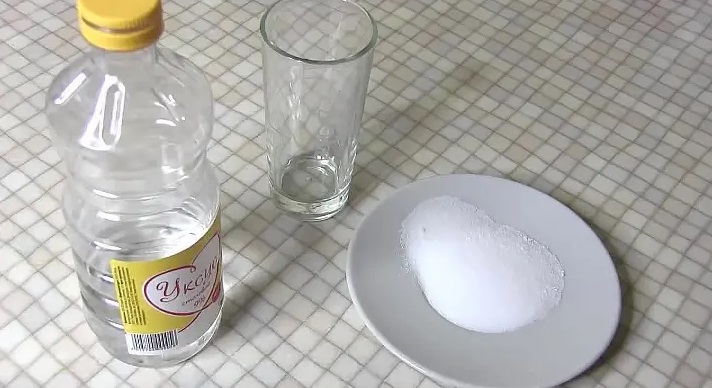
- Pour regular table vinegar into the detergent dispenser. You'll need one to two cups per wash. Select a high-temperature program with a prewash and a long run time. To prevent any lingering odor, run the rinse cycle again.
- A solution of vinegar and regular baking soda. First, mix the baking soda with water and pour it into the washing machine's tray. Use half a cup of each. Pour the vinegar directly into the drum. Select a long cycle with high heat.
- Chlorine-containing products, such as bleach, are traditionally used by homeowners to remove scale and odors and disinfect appliances.
However, the effectiveness of the latter method seems questionable. Chlorine-based products are unlikely to remove limescale deposits, but they can easily damage washing machine components. Furthermore, chlorine fumes are harmful to health. Therefore, when choosing how to clean a washing machine, the first two options should be preferred.
Factory chemicals
Washing machine descaling, odor removal, and limescale removal products must be, first and foremost, safe for humans. At the same time, they must not damage household appliances but also deliver the desired results. While traditional cleaning methods are not always safe, industrial products undergo mandatory testing before being released to the market. They do not harm the washing machine's components while effectively removing limescale.
What products are available on store shelves:
- Topperr 3004, made in Germany and recommended by Bosch, removes limescale deposits of any severity. The product can be used not only in washing machines, but also in dishwashers.
- Schnell Entkalker is also a product from a German manufacturer. It is used to effectively remove deposits in washing machines, even those that are long-standing.
- Antikalk for Washing Machines from Sano, an Israeli manufacturer, removes not only limescale deposits but also odors thanks to its disinfectant effect.
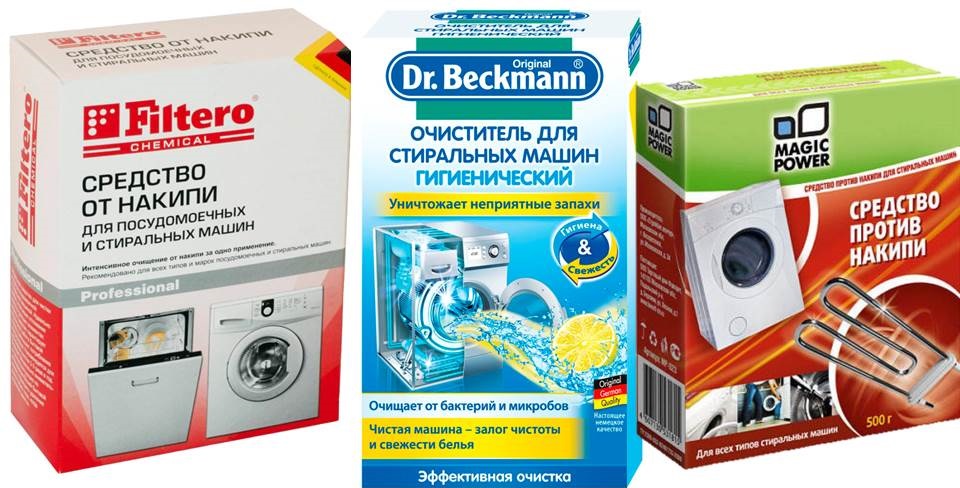
- Magic Power is manufactured in Germany and is considered one of the best descalers. It can be found in stores as a powder or gel for pouring into the washing machine's drawer. It effectively removes limescale deposits from the drum, heating elements, and tank.
- Beckmann is also produced by a German company. It provides a comprehensive solution, removing limescale and unpleasant odors from the washing machine.
Complex action products aimed at eliminating several problems at once are ineffective in cases of heavy deposits.
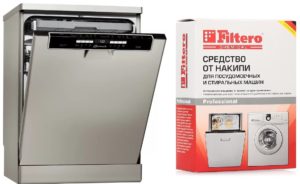
- Filtero 601 is manufactured in Germany. It effectively removes scale, even stubborn deposits that are difficult to remove with other products. It will quickly clean the heater and other metal parts. This product should be used no more than 3-4 times a year, as it cleans quite intensively.
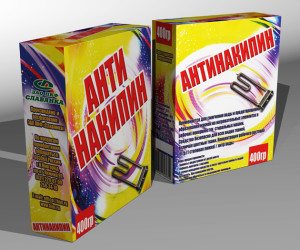
- An inexpensive alternative to the products listed above is the Russian Doctor TEN and the Belarusian Antinakipin. These powders can be used not only for cleaning washing machines but also other household appliances (including dishwashers). They also effectively combat limescale deposits on important appliance components.
It's worth noting that you won't be able to clean your washing machine with advertised products like Calgon. These products are designed only to soften water, not clean. Even if you recommend adding detergent or gel during the wash cycle, they won't remove deposits.
Interesting:
Readers' comments
Headings
Washing machine repair




For buyers




For users


Dishwasher




Add a comment