
Shelf life and storage of washing powder
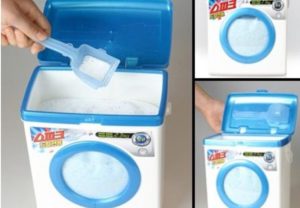 The idea that laundry detergent can be used indefinitely is fundamentally wrong. Despite its chemical composition, its shelf life is limited and directly depends on proper storage. If the granules are stored too long or improperly, they harden and clump together, causing the chemicals to lose their potency and release hazardous substances. To prevent this, it's important to understand the nuances of laundry detergent.
How long can the product be stored?
The manufacturing date and shelf life must be written on each pack or package. If this is not stated, the manufacturer is extremely dishonest and clearly violating the mandatory certification law. It is strongly recommended not to purchase a "perpetual" product - there is no guarantee that all other information on the packaging is not fictitious.
In general, shelf life depends on the detergent ingredients. Over time, the stain removal ability fades, and the detergent becomes useless. Typically, this occurs after 24 months, but some manufacturers promise high-quality cleaning for 5 years.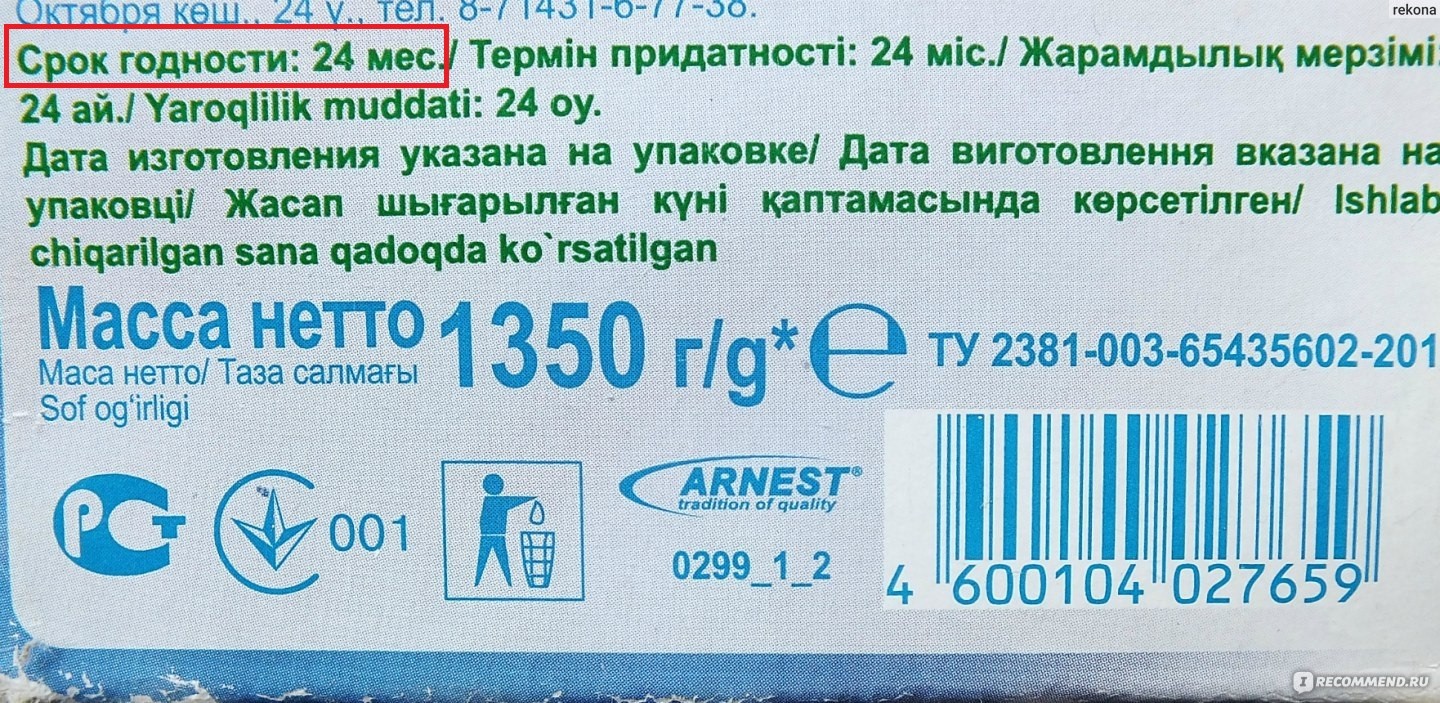
Baby laundry detergents made from grated soap have a shelf life of no more than 1 year.
It's not a good idea to exceed the manufacturer's recommended shelf life. Firstly, it won't do any good, as the quality of the detergent will deteriorate significantly. Secondly, expired particles will begin to penetrate the packaging and negatively impact the health of the home's residents. Those particularly sensitive to chemicals—children, asthmatics, and allergy sufferers—are particularly vulnerable, as spoiled detergent can trigger attacks and exacerbate existing conditions.
How should the product be stored?
The expiration date indicated on the packaging isn't the only indicator of a product's effectiveness and safety. Often, detergent becomes useless and harmful even before the expiration date due to improper use. Therefore, it's important to store chemicals carefully. When choosing where and how to store detergent, it's important to avoid three factors that can destroy the granules:
- High humidity. Dry powders strongly attract moisture, and the granules, when soaked in water, clump together and harden. If left near liquid for 24 hours, the product will harden into a monolithic lump, making it difficult to use, forcing you to break the hardened substance into small pieces. Fortunately, moisture does not weaken the key cleaning components and can be used again.
- High temperatures. Chemicals may not react to sudden temperature changes, but prolonged exposure to a heating pipe, radiator, stove, or heater will leave its mark. Strong and sustained heat will destroy the internal structure of the active ingredients, and the detergent will no longer remove stains.
- Direct sunlight. Prolonged exposure to ultraviolet light will also lead to irreversible breakdown of the chemical elements. The principle here is similar to heating from a radiator: the sun will heat the granules and reduce their effectiveness.

Opened packages with broken seals are the most vulnerable. Open access to the powder allows moisture, heat, and sunlight to more quickly reach the components and further damage their structure. The problem can be solved in two ways: by choosing an ideal location or by using a reliable protective shell.
Where to hide the powder?
Often, the easiest and most accessible option is chosen: hiding the powder from water, heat, and sunlight. But in reality, finding such a place can be extremely difficult. This is especially true if, in search of a bargain, you buy an economical but bulky 6-9 kg container. The situation is further exacerbated by the lack of a separate pantry or storage room.
But we need to choose a storage location, so let's start searching for the most suitable one. Follow these guidelines:
- We think about children and animals. First and foremost, we eliminate easily accessible places where a small child or pet could reach dangerous chemicals. It's important to remember that a plastic bag or cardboard box can easily be torn by teeth, crumbled, and tasted. Every thinking person knows the potential consequences of such an experiment for the life and health of a growing organism.
- We're eliminating the kitchen. Ideally, it's best to avoid living spaces altogether. Toxic substances can leak into the air even from completely sealed containers, where they can remain on food, furniture, clothing, flooring, and wall coverings. Logically, these hazardous components enter the body, gradually accumulating and causing intoxication.
- Look for a closed shelf or cabinet. The walls shouldn't be exposed to sunlight. It's best if the doors have a magnetic lock.
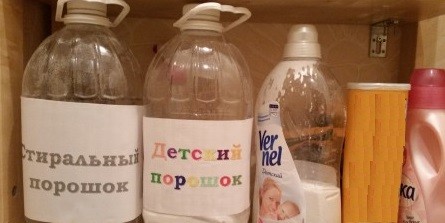
- Avoid the bathroom. The problem is high humidity.
- Maintain social distancing. Household chemicals are always stored separately. Placing detergents, baby items, towels, washcloths, and dishes in the same drawer is strictly prohibited!
- Don't forget about batteries. The further away the detergent is from the radiator, the longer it will last.
- Don't go too far. Running across the entire apartment every time you do a load of laundry is an unenviable and potentially dangerous prospect. So, we narrow our search right away and look for a spot close to the washing machine.
People often wonder whether it's safe to store laundry detergent in freezing temperatures. For example, a covered balcony might be considered as an option during the cold season. The answer is ambiguous: while freezing temperatures and sudden temperature changes won't harm the detergent, it'll require a long haul to the washing machine.
Special packaging for powder
If you can't find a suitable spot on the balcony or in the bathroom, and there's a high probability that the detergent won't last the allotted two years, try a different approach. Purchase a special protective container and place it in any available space. There's no need to worry about dangerous consequences—these buckets have many advantages.
- Sealed. The tight-fitting lid prevents spills or moisture penetration.
- Safety. The lid has a special locking mechanism that cannot be opened by small children or pets.
- Special material. Safety and leak-proofness are guaranteed by a particularly durable material. It prevents moisture, light, and heat from penetrating, and the laundry detergent retains its bleaching properties.
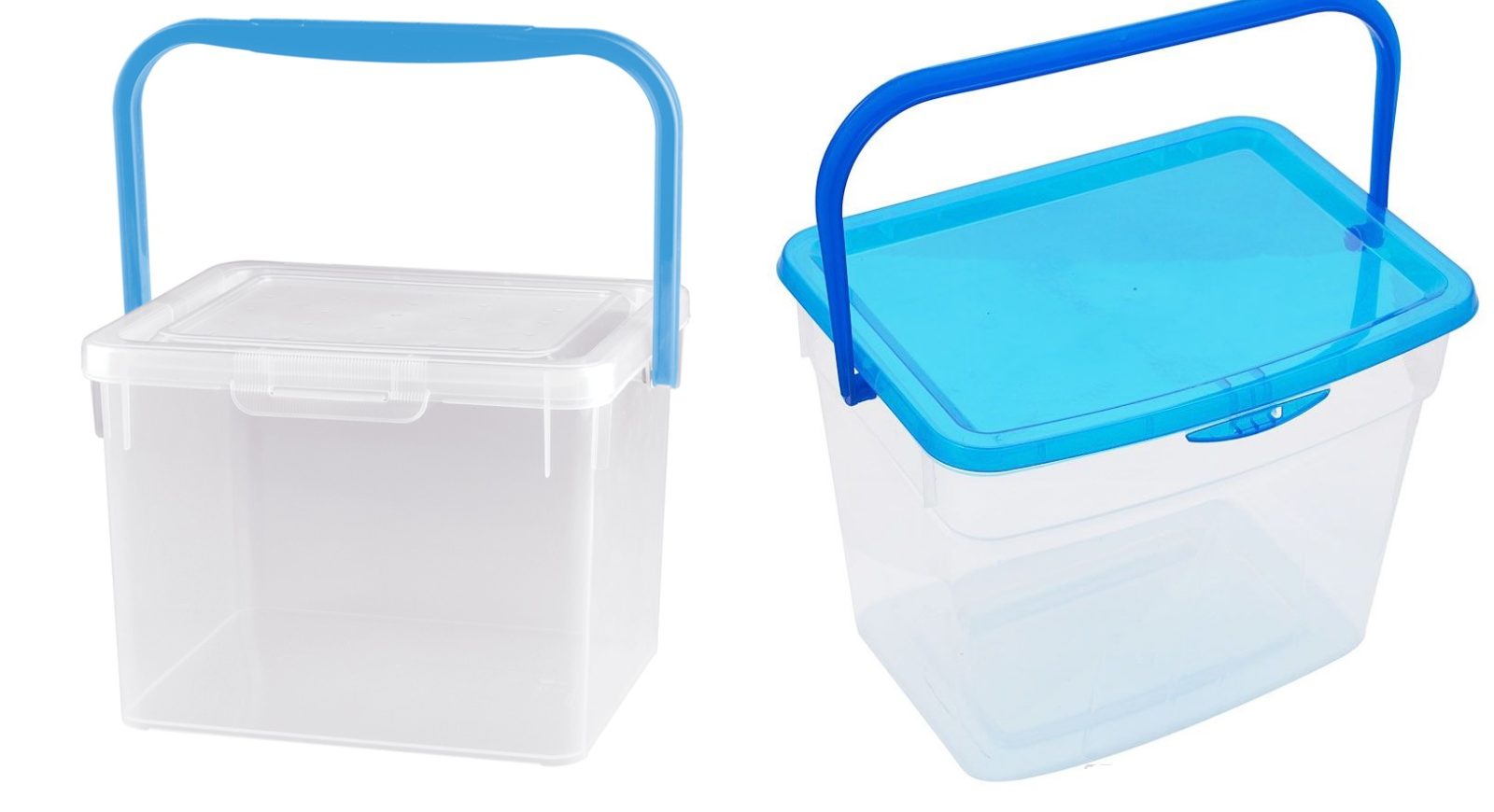
- Practical capacity. The variety of containers available today helps you choose the most suitable box shape. The most popular are 5-8 liter containers, 52-60 cm tall and narrow, up to 30 cm wide. These dimensions make it easy to store the detergent next to the washing machine or slide it under the sink.
- Convenient additions. Carrying handles, side recesses, a pouring spout, and a measuring cup make the container easy to use, preventing spills and allowing you to move it around the apartment without any hassle.
- Availability. You can find a protective case for your detergent at almost any retail location.
There will be no difficulty in choosing a shade and print that suits the interior.
There are also cheaper options: place the opened package of detergent in a tightly tied bag or secure the opening with a clothespin. The main thing is that this method protects the laundry detergent from adverse environmental conditions. Otherwise, you'll end up with no clean laundry or a high-quality, safe detergent.
Interesting:






Readers' comments
Headings
Washing machine repair




For buyers




For users


Dishwasher




Add a comment