
Washing machine on the balcony
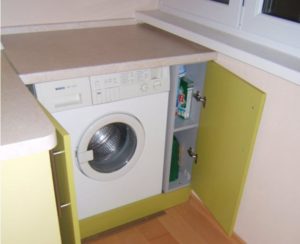 Installing a washing machine on a balcony is a rather unconventional decision. This bold placement option is chosen by those who aren't afraid to face challenges. And there will definitely be challenges when implementing this idea: how to connect utilities to the loggia, how to insulate the balcony, how to get the washing machine onto it? These are just some of the issues that need to be addressed. If such prospects don't daunt you, then installing a washing machine on the balcony is for you. Let's figure out where to begin.
Is it possible to install it on a balcony?
At the initial stage of planning the scope of work, decide whether it is feasible to install a washing machine on the loggia in your particular case. The main condition is that the balcony must be insulated, this will ensure the possibility of using washing equipment in the winter.
If the loggia is not heated, the water in the hoses may freeze at sub-zero temperatures, which, in turn, will lead to complete equipment failure.
The average weight of a washing machine is 60 kg. This load won't be critical for the stovetop, so there's no need to worry about that. It's important to consider how to minimize vibrations emitted by the washing machine while it's in operation. To achieve this, level the appliance and place a special anti-vibration mat under its feet.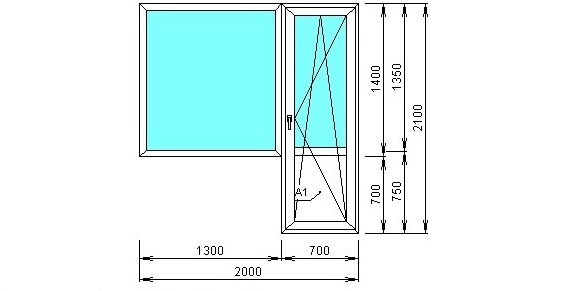
Bringing a vending machine onto a balcony is easy. Balcony doors are typically 650 mm or wider. A machine with a body no wider than 60 cm will easily fit through the door.
The biggest problem is the need to connect utilities to the washing machine on the balcony. An excessively long drain hose will put increased strain on the pump, resulting in more frequent pump failures. However, you can replace it yourself; the repair won't take much time, money, or effort. Therefore, weigh the pros and cons of this installation method.
Organization of communications and installation
Let's discuss in general terms how to connect to communications. For a washing machine on the balcony, it is necessary to provide an outlet, a cold water supply, and a drain for waste water. Here are some tips on how to properly organize the process.
It is recommended to run all communications through the kitchen/loggia wall.
- From the kitchen sink to the balcony, grooves are marked for laying cold water supply pipes and sewer drains.
- Pipe sleeves are placed into holes drilled in the wall, where the water supply and sewerage outlets are subsequently placed.
- The washing machine is installed strictly according to level.
- The drain hose is connected to the sewer pipe using an adapter.
- A water supply tap is fixed to the water pipe, and an inlet hose is connected to it.
- A special tee is installed under the sink, into which additional communication outlets are connected.
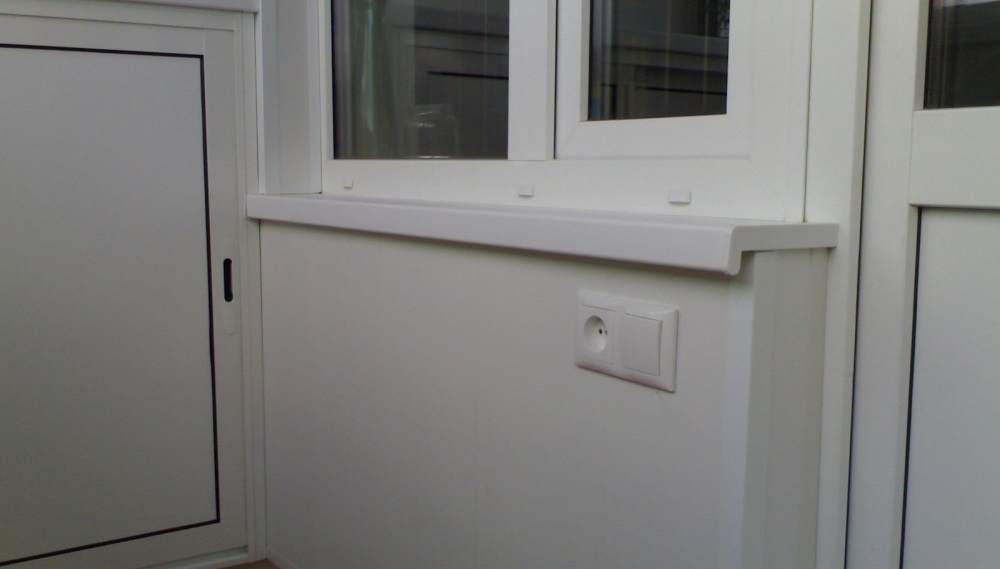
As for the power supply, the outlet can be connected to the nearest electrical source. It's important that the power source can handle the additional load generated by the washing machine. Ideally, it's best to run a wire from the electrical panel to the balcony outlet and plug it into the power outlet. RCD circuit breaker.
If the length of the inlet and drain hoses allows, they can be routed directly through the walls, eliminating the need for pipes, but they must be routed through sleeves.
We store equipment on the balcony
If you're not using the washing machine on the balcony, but simply storing it there, things are much simpler. Before moving the appliance to the balcony, you should thoroughly prepare it for the upcoming winter. Water remains in the washing machine's system, and when exposed to subzero temperatures, it will turn to ice and cause the hoses to burst.
How should I preserve my washing machine for placement on an unheated balcony? Storing a washing machine on a balcony during the winter requires the following preparatory steps:
- Disconnect the machine from the water supply and pour about 50 ml of antifreeze liquid used for washing car windows into the inlet hose;
- Straighten the drain hose as much as possible to remove all accumulated liquid from the cavity;
- pour another glass of antifreeze (approximately 250 ml) directly into the washing machine drum;
- run a standard wash cycle;
- After an unsuccessful attempt by the machine to fill the drum with water, blow out the inlet hose and valve;
- Select the spin function. This will allow the antifreeze to penetrate deep into the system components.
This way, the machine is quickly prepared for storage on the balcony. If the balcony isn't glazed, it's best to cover the housing with plastic wrap to protect it from rain and snow. Once the machine is "mothballed," you don't have to worry about its safety.
Interesting:

Readers' comments
Headings
Washing machine repair




For buyers




For users


Dishwasher




Add a comment