
The washing machine drum does not rotate (it does not spin)
 Often, with this problem, the drum can be easily spun by hand, but the washing machine itself simply cannot turn it. Perhaps the most common problem that can cause this is a faulty drive belt, one that's become loose. Or, it may have slipped and is in the wrong position. If the belt is simply loose or worn, it simply spins, causing the drum to rotate poorly. With these problems, we can easily repair your washing machine ourselves.
Don't forget! Before you begin repairing the machine, you must disconnect it from the power supply!
Replacing the washing machine drive belt
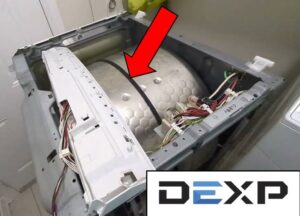
To replace the drive belt, we need to remove part of the washing machine body. There are two ways to do this. First, we'll need to remove the top of the washing machine. Then, we'll need to find the old belt. If it's broken, we'll remove it and replace it with a new one. If it's simply slipped, we'll replace it.
This option has one drawback. Attaching the belt from above on a front-loading machine is very inconvenient. Furthermore, it requires fairly slender hands. On some models, this is very difficult. Therefore, we recommend this replacement method only in cases where pulling the machine out to access it from behind is not possible.
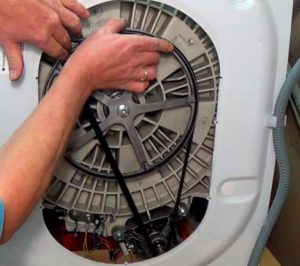
Another option is simpler. And it doesn't matter how thin your hands are. The entire process is more convenient, as all the rotating parts (pulley and motor) on which the belt is attached are clearly visible and accessible. Here, we turn the machine so that the back is facing us and remove the back panel of the washing machine. To do this, we'll need to unscrew several screws. As mentioned above, once the back panel is removed, we'll have access to everything we need. Therefore, replacement will be easier.
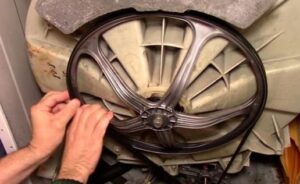
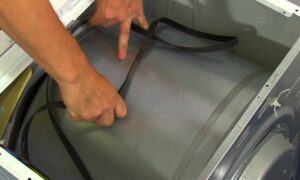
If the belt is in place but simply worn and loose, remove it. To do this, pull it toward you and spin the pulley. Then reinstall the belt. First, place it on the motor, then on the pulley. After that, align it if it wasn't positioned correctly. Then check. To do this, simply spin the pulley. If everything is in order, close the housing wall and perform a test wash. Here's a video on replacing the belt yourself:
Foreign object in the machine
A foreign object lodged inside the washing machine, specifically between the drum and the tub, can also disrupt the normal rotation of the drum. Typically, this is a bra underwire or other small object. How can you tell if this is the problem? First, check to see if the drum is spinning. Try turning it.
If it remains motionless when you try, there are two possible causes for the failure. Either an outside object has caused the malfunction, or the bearings have failed.
You can remove any object caught between the drum and the tub through the opening where the heating element is installed. Naturally, the heating element will need to be removed. For a visual demonstration of the entire removal process, you can watch a video showing its replacement:
Bearing failure
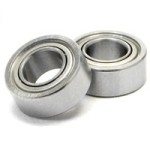 If the bearings are worn out or stuck, the drum will not rotate even manually. This usually happens with washing machines that are used frequently and/or for long periods of time. It can also occur when using low-quality detergents. These can damage the bearing seal and allow water to leak directly into the bearings. This will inevitably lead to bearing failure. This failure can also cause water to leak through the bearing assembly. Replacing bearings on your own is quite difficult for a novice. This would require almost complete disassembly of the appliance. Therefore, for those unprepared for extensive and difficult work and unwilling to take risks, it's easier to call a professional technician.
Capacitor
In older washing machines, the capacitor may fail. It's located near the machine's motor and resembles a cylinder. A faulty capacitor will prevent the motor from working. To fix this problem, replace the capacitor with a working one.
Interesting:

Readers' comments
Headings
Washing machine repair




For buyers




For users


Dishwasher




Add a comment