
Beko washing machines
 A Beko washing machine is a high-quality and reliable appliance at a reasonable price. This brand's products are well-known in many countries around the world, which only confirms the quality of these appliances. But who makes Beko washing machines, what are their main advantages, and which models are the most popular—we'll explain all this in this article.
Origin of cars of this brand
Beko is one of the brands of the large Turkish corporation Koç, founded in 1926. This corporation comprises over a hundred companies from various industries, including Arçelik, founded in 1955. It manufactures household appliances under the Arçelik and Beko brands. The first appliance of this brand was released in 1959.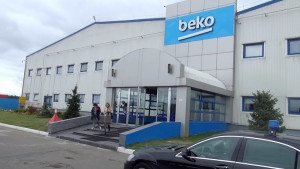
Equipment under the Arçelik brand is intended for sale on the domestic Turkish market. Washing machines under the Beko brand are exported. The first washing machines appeared in Russia in 1994, and in 1999, Arcelik opened a representative office in Russia. In 2006, the Beko factory was built in Kirzhach, Vladimir Oblast. Washing machines are Beko's primary production line.
Beko accounts for 80% of all products exported from Turkey by the Arçelik company.
What is the reliability?
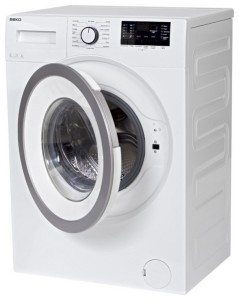 Washing machines are very popular and in demand among consumers due to their affordable price. Beko automatic washing machines are significantly cheaper than their competitors with similar technical specifications, but this does not affect the quality of washing or the reliability of the machine itself. How is such reliability ensured? It's simple: the machine's design and the materials used in the manufacturing process.
The washing machine tank is made of a polymer alloy, which has the following advantages over stainless steel:
- firstly, the weight of the polymer tank is less;
- secondly, high sound absorption and vibration reduction;
- thirdly, it has high thermal insulation, which allows you to save on energy;
- Fourthly, the polymer alloy does not conduct electric current.
And, of course, the tank in washing machines is not subject to corrosion, is resistant to high temperatures and is environmentally safe, since no chemical compounds are released when the water is heated.
Modern Beko automatic washing machines feature a nickel-plated heating element, which offers a long service life. Safety is ensured by a child lock, an overflow system, and drum imbalance monitoring.
The programs provide for washing different types of fabrics, consumer reviews One can note good washing quality even in cheap models of washing machines.
It's worth noting that the manufacturer has placed special emphasis on efficiency in its modern models, incorporating AquaFusion technology. This technology not only saves water and energy, but also detergent by preserving undissolved particles. The savings are modest—5.5 kg of detergent per machine per year—but if thousands of people wash their laundry and conserve detergent, the emissions of harmful chemicals are reduced from an environmental perspective.
But it's worth noting that Turkish-assembled Bekos are an order of magnitude better than Russian-assembled ones, as noted by service center technicians. The average service life of Turkish units is about 7-10 years, although they can last longer under proper operating conditions. In addition, the latest models now feature a plastic tank instead of a polymer one.
Model overview
The BEKO WKB 61031 PTYA is a slim washing machine with a load capacity of up to 6 kg and a spin speed of up to 1000 rpm. It features a digital display, partial leak protection, and a child lock. It offers 11 basic washing programs, plus additional features such as temperature control, dark wash, and pet hair removal. For $180, it's an excellent option for home use.
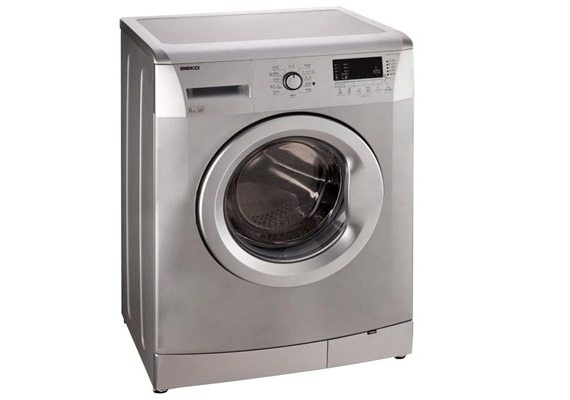
The BEKO WDW 85120 B3 is a full-size washing machine with touch controls and a wash capacity of 8 kg. It also features a drying mode for 5 kg. The spin cycle reaches up to 1200 rpm. It features 16 built-in washing programs with adjustable temperatures. One small drawback that the manufacturer of this model did not foresee is that the leak protection is only partial.However, for a price of $400, such functionality is quite impressive.
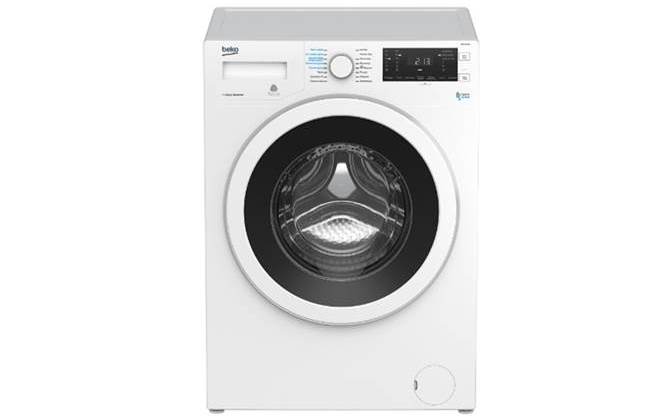
The BEKO WMI 81241 is a built-in washing machine designed for washing up to 8 kg of laundry. It features a maximum spin speed of 1200 rpm. Programs include crease protection, soak, and mixed fabrics. Partial leak protection is also included. Prices start at $320.
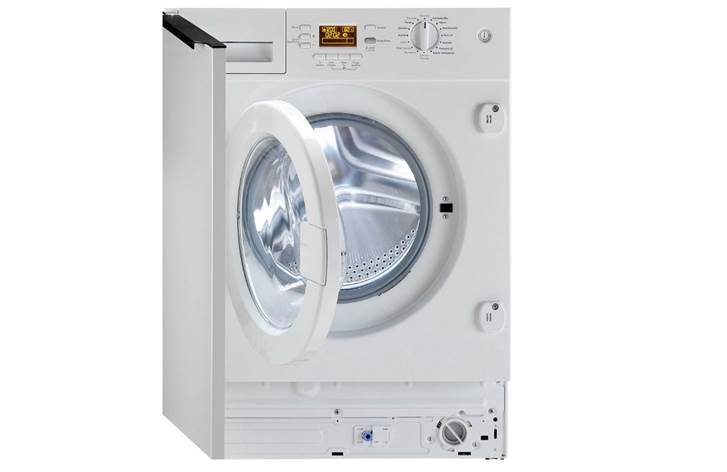
The BEKO WMB 91242 LC is a full-size washing machine with a 9 kg capacity and a spin speed of up to 1200 rpm. It features 16 built-in programs and electronic controls. Users report excellent cleaning results, even with tough stains, and the easy-iron function is helpful. This model starts at $360.
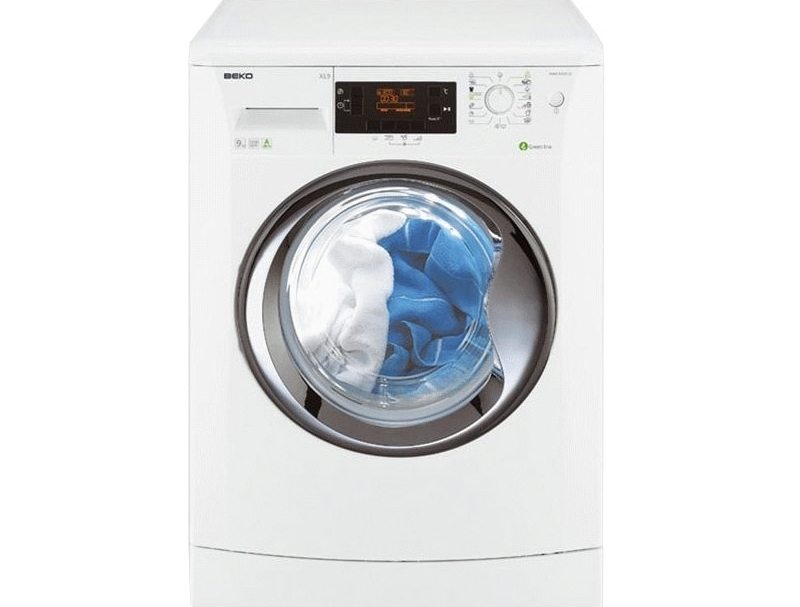
Please note: Beko washing machines have a maximum load capacity of 9 kg.
In conclusion, we would like to emphasize once again that washing machines of this brand are in demand among Russian consumers. Functionality, quality, and an affordable price—Beko machines combine everything consumers need.
Interesting:


15 reader comments
Add a comment
Headings
Washing machine repair




For buyers




For users


Dishwasher




My mom bought a washing machine of this brand and is very unhappy. It broke after just a year. She sent it in for repairs, they fixed it, and a month and a half later, it broke again. She filed a complaint in Moscow, but she's still waiting for a repairman. How can you treat your customers like this?!
I bought a Beko WKN 51011 M washing machine, and the locking system broke. I ordered it online, but they sent me a completely different one. When I asked why, they explained that it was a manufacturer error and that the technical documentation stated that the locking system was the same as the one they sent. So, I ended up without a washing machine. Anyone have an answer?
I bought a VEKO washing machine in 2013, and it only stopped heating water last month. It's been working like clockwork all this time, without a single problem. I'm currently looking for a video on how to replace the heating element, but I can't find one yet.
It seems like it can even be opened/disassembled from the front panel.
It doesn't take long to replace. You need to unscrew the back cover, like on my model. Then, at the bottom of the drum, there's a heating element. Unscrew the nut in the middle and then pull it out. There's also a temperature sensor; you can take it out and test everything, and that's it. The Beko has a resistance of 3 to 5, and the heating element has a resistance of 28.
We bought a Beko washing machine in 1998. It lasted a full 200 cycles. And it's still going strong, a family of four. We wash everything. The kids work in the mines. They bring home work clothes, you know what kind. My son just bought an Indesit and got us one as a bonus. We don't know how long it lasts, but being a Beko, I doubt it. It's worked very well, without a single problem for so many years. It'll just sit in the garage for now.
The car is 10 years old, everything is great. I want to buy a new one of this brand and take this one to the dacha. It broke once after five years, but they replaced the gear and everything is fine since then.
We bought this car in 2006 and are very happy with it. If I saw one like it for sale today, I'd buy it without a second thought.
My Beko washing machine stopped heating water; the heating element burned out. I replaced it along with the temperature sensor. It still doesn't heat. Why?
I bought a Veko machine in 2001, it still works, and has never been repaired.
We bought it in 2006 and it only broke in 2018.
My Veko washing machine has been working for 22 years without a single issue. I replaced two bearings and a seal. I think it will last that long. It's easy to repair at home. Great job, manufacturers.
My Bekoshka worked for 15 years. I'm happy with it. It just "jumps" sometimes.
I bought a new BEKO washing machine today. Let's see how it works!!!
We bought a VEKO car back in 2001. It had never been repaired. Not every car these days can last 20 years. But it was most likely assembled in Turkey. If it had been assembled in Russia, it would have been in the junkyard long ago.
I bought a Beko in 2006 and it's still working, except it started jumping around a lot during the spin cycle, and the drum inside was spinning wildly. I bought a Samsung, but my old one will be kept in the garage just in case. I can't trust washing machines anymore.