
Washing satin in a washing machine
 The question of whether satin can be machine washed is a concern for many homeowners. This fabric is particularly delicate and requires specific care. Let's find out whether machine washing is acceptable or whether hand washing is better. We'll also explain how to properly dry and iron silk.
Hand wash preferred
Before washing any item, please read the care label. The manufacturer provides recommended care instructions. In the case of satin, it is advisable to give preference to hand washing - this way the material will not deteriorate prematurely.
The manufacturer specifies the optimal water temperature for washing satin on the label. Typically, it's no more than 30°C. It's important to strictly adhere to this recommendation, otherwise you could damage the fabric.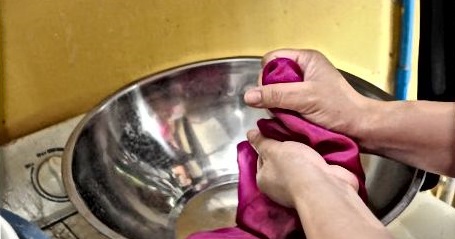
If the garment is stain-free, it's best to simply refresh it by hand in lukewarm water. If the garment is heavily soiled, pre-soaking it in a soapy solution for 5-10 minutes is acceptable. Do not wring out satin, as this will distort the fabric and cause creases and folds.
Let's wash the satin item in the washing machine
Experts advise using machine washing as little as possible. If possible, it's best to refresh the satin by hand. If you decide to load an item into the washing machine, be sure to:
- run the delicate cycle, the Wool or Silk program;
- make sure that the water temperature is up to 40°C;
- turn off the automatic spin;
- turn on the "Extra rinse" option.
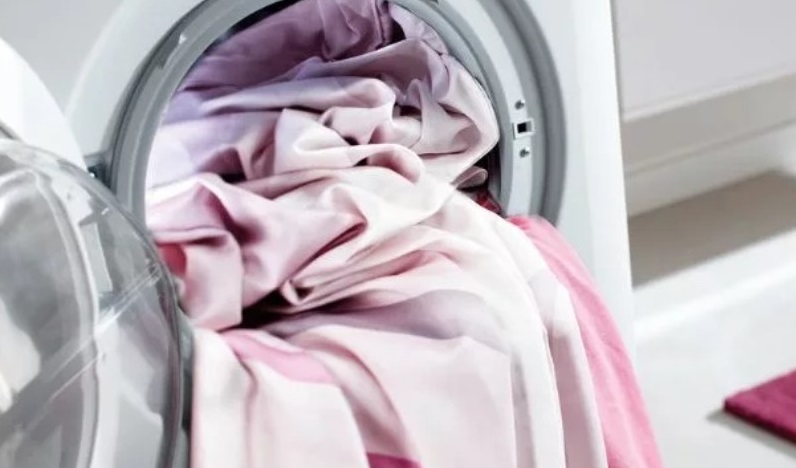
Machine drying satin is prohibited. Use special, gentle detergents for washing. Avoid using regular powder detergent, as the granules don't fully dissolve in cool water and become stuck in the fabric, leaving streaks and dirty marks.
It is better to give preference to special gels for the care of silk or wool items.
Avoid using bleach, as it can give the satin a yellow tint. Rinse these items several times. To preserve the fabric's brightness, add a little 9% vinegar to the water. If you suspect that you might not be able to wash satin pillows, curtains, or other large items, it's best to take them to a dry cleaner.
We remove specific contaminants
If there are stains on the fabric, they should be treated before the main wash. The exact procedure will depend on the nature of the stain. If the stain is fresh and greasy, it's recommended to gently blot it with a dry, clean cloth. Avoid rubbing the oil too hard, as this will soak the grease into the fabric fibers, making it much more difficult to remove.
After blotting, sprinkle greasy stains with rye or wheat flour. Then set the item aside for an hour—this time allows the fat molecules to be absorbed into the granules. Next, shake the item thoroughly and brush the stain with a soft brush. The satin can now be washed in soapy water.
If drying or ironing instructions are not followed, a satin garment may develop a "shine." These defects are immediately noticeable and significantly detract from the garment's appearance. To remove the shine, follow these steps:
- soak gauze in nine percent vinegar;
- wring out the material and lay it out on the shiny area;
- steam the shiny area.
Blood, sweat, and makeup stains are removed from satin in a different way. We'll explain how to handle each specific case.
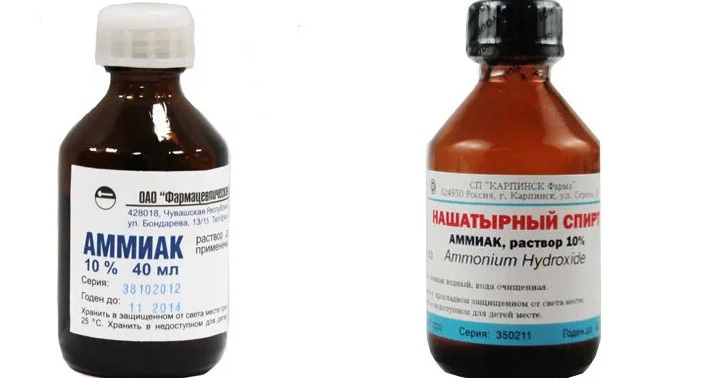
- Ammonia can help remove sweat stains. Soak a cotton pad in alcohol and wipe the material. Wash the garment afterward.
- Stains from natural coffee, tea, or wine can be removed with glycerin. This product is available at pharmacies. Apply a thin layer to the stain and let the garment sit for 30 minutes. Then, wash the satin in water with a gentle detergent for delicate fabrics.
- Blood stains are easily removed with a starch paste. Apply it to the satin and leave for several hours until the mixture dries completely. Then, shake off the powder and wash the garment.
- You can remove lipstick stains with ethyl alcohol. Soak a cotton pad in the solution and apply it to the inside of the garment.
If the stain is old, it's recommended to soak the satin item in a baking soda solution for 15-20 minutes before removing it. Then, rinse the item in water with a couple of tablespoons of vinegar added. Then, wash as usual using a gentle detergent for delicate fabrics.
How to dry and can I iron?
It is important not only to wash items carefully, but also to properly prepare them for wearing. It is strictly forbidden to wring or twist satin products. Simply wait for the excess moisture to drain, then lay the fabric flat to dry. Hanging the garment on a clothes hanger and drying vertically is also acceptable.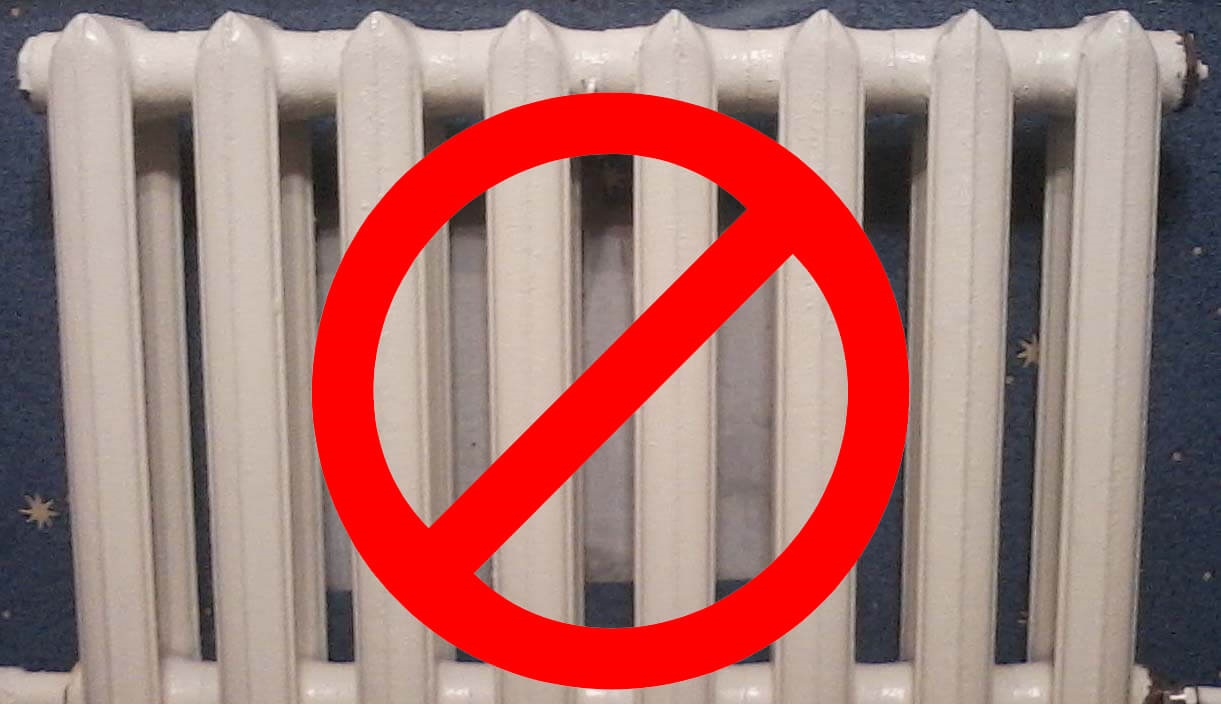
The drying method depends directly on the garment's size. For example, a satin wedding dress will be very heavy after being wet and may stretch under its own weight. It's best to dry such items flat. On the other hand, lightweight silk lingerie, shirts, and blouses can be hung on hangers.
Do not dry satin on radiators, near heaters, or in direct sunlight—high temperatures are harmful to delicate fabrics.
Before storing clean satin items, be sure to iron them. Avoid putting wrinkled garments in the closet, as this can permanently creas the fabric. Iron satin from the inside out, using a damp cloth.
Ironing should be done at a low temperature, no higher than 150°C. Be sure not to leave the soleplate in one place for too long, as this can burn delicate fabrics. If you have a steamer at home, it's best to use it—it's the safest way to straighten the fabric.
Interesting:




Readers' comments
Headings
Washing machine repair




For buyers




For users


Dishwasher




Add a comment