Snow-white jeans are a great addition to any wardrobe, as they look expensive and stylish. However, they need to be worn carefully, as light shades are easily soiled and easily marked. Even with careful use, white pants can wear poorly and require regular cleaning. Machine washing is possible, but with a few caveats. Don't simply throw them in the drum and run the wash cycle—you need to follow the instructions.
Daily care
It is best to hand wash white jeans to ensure maximum care. Machine washing is possible, but under certain conditions. First of all, we take care of preparing the pants for the washing machine in advance:
check your pockets for forgotten items;
turn an item inside out;
close all zippers and pockets;
check if the decorative inserts are sewn on well;
treat local stains and dirt with a stain remover;
place the item in a protective mesh bag;
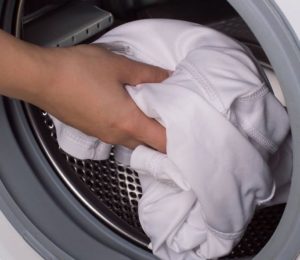
load the bag with jeans into the drum;
add things to the minimum weight;
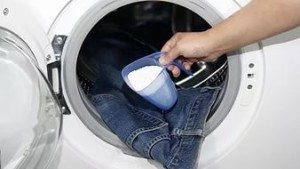
Add a suitable detergent to the powder dispenser (ideally, a special gel designed for washing white jeans, or a triple-action gel capsule).
If your jeans have glued-on decorations, rhinestones, or buttons, machine washing is not recommended—soapy water will wash away the glue and the elements will fall off.
After loading the machine, we begin setting the cycle. Select the "Delicate" or "Manual" program and check the settings. The water temperature should be set to 30-40°C, and the spin speed should be reduced to a minimum of 600-800°C. It's best to set the rinse cycle to double rinse to remove all the detergent from the denim fibers. Once the cycle is complete, carefully remove the jeans from the drum and dry them in a ventilated area. Avoid tumble drying, and avoid exposing them to direct UV light.
How and with what to remove various types of stains?
The modern market offers a wide range of denim cleaning products, including bleaches, stain removers, and gels. To remove even the most stubborn stain, simply follow the instructions on the packaging. However, all commercially available products have a significant drawback: they are synthetic and can be harmful to health and cause allergies.
When choosing detergents, it is necessary to look for formulations developed specifically for denim items.
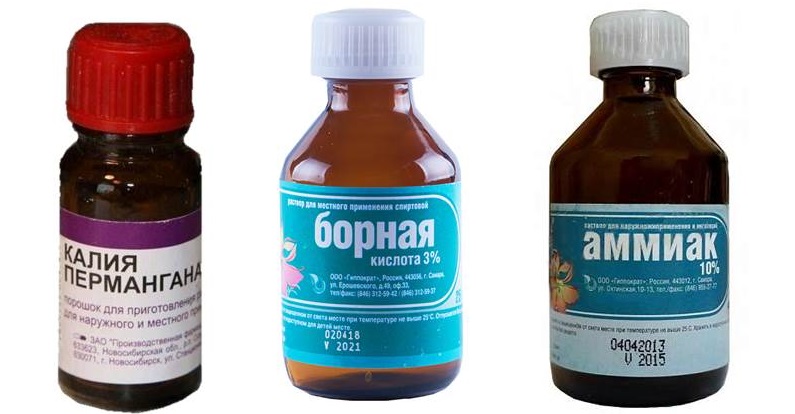
For proper washing, it's best to use folk remedies. Using boric acid, potassium permanganate, and ammonia, you can bleach jeans quickly and inexpensively. The key is to mix the ingredients correctly and keep the proportions in mind.
Boric acid. Suitable even for washing children's clothes, as it doesn't cause allergic reactions and has a disinfecting effect. Add the powder to hot water and soak for 30 minutes. If the stains are old or set in, increase the soaking time by an additional 1-2 hours. Then hand wash the item and rinse thoroughly.
Potassium permanganate. Potassium permanganate is an excellent household bleach. To remove a stain or remove grayness from jeans, generously lather the item until it becomes sticky, then dilute the water with potassium permanganate (2 tablespoons for every 10 liters) and soak the pants in the solution for 3-4 hours. We monitor the temperature – 30-40 degrees is considered optimal. At the “finish”, the product is hand washed again, rinsed and dried in the standard manner.
Jeans cannot be wrung out, twisted or dried in a washing machine!
Ammonia. Works in tandem with hydrogen peroxide or baking soda and salt. In the first case, mix equal amounts of the ingredients, dilute in water heated to 40 degrees Celsius (104 degrees Fahrenheit), and soak the jeans for 30-40 minutes. It's not necessary to follow the proportions, as even an excess of bleach won't damage the jeans. In the second case, dissolve 6 tablespoons of both powders in 2 tablespoons of alcohol, add the liquid to a basin, and let the pants soak. Then wash as usual and dry them on the balcony.
Dirty white jeans aren't a death sentence. To remove even the most contrasting and stubborn stains, simply follow the instructions above.

 Snow-white jeans are a great addition to any wardrobe, as they look expensive and stylish. However, they need to be worn carefully, as light shades are easily soiled and easily marked. Even with careful use, white pants can wear poorly and require regular cleaning. Machine washing is possible, but with a few caveats. Don't simply throw them in the drum and run the wash cycle—you need to follow the instructions.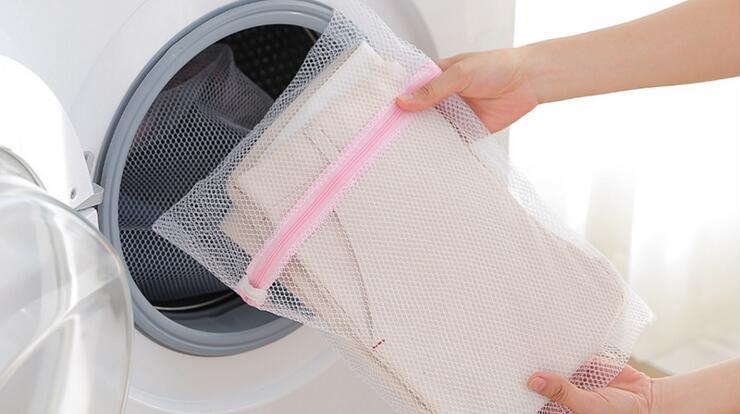














Add a comment