
Can you wash white items with colored items?
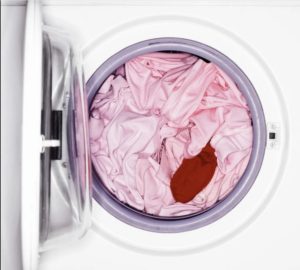 Before washing, items must be sorted by size, fabric type, and color. While the first two situations only result in unbalanced items and stains, the third can completely ruin your favorite clothes. The reason is fading and color transfer. We'll explain when it's okay to wash whites with colored items and how to fix the consequences of this unfortunate combination.
Cases when this cannot be allowed
Every experienced housewife knows that you can't wash white, colored, and black items together—they will fade significantly when exposed to moisture. Exchanging dyes leads to sad consequences: things lose their original shade and become unattractive.Fortunately, this scenario is easy to avoid.
The first rule is to avoid washing colored and white items at the same time in the machine in the following situations:
- when the clothes are new (if the item has not previously been in contact with water, this means that the pigment has not yet set on the fabric and will most likely be washed out in the drum);
- when high-temperature washing is planned (when heating water above 30 degrees, colored items fade);
- when soaking is necessary (the longer white is next to colored, the higher the risk of it becoming stained);
- when a product with a bleaching effect is used (when bleaching, the pigment is washed out of bright clothes and transferred to light ones);
- when the laundry is too dark and colored (the more intense the color, the more the items will be stained).
Soaking white and colored items at the same time is not allowed – prolonged exposure to water will increase the likelihood of shedding!
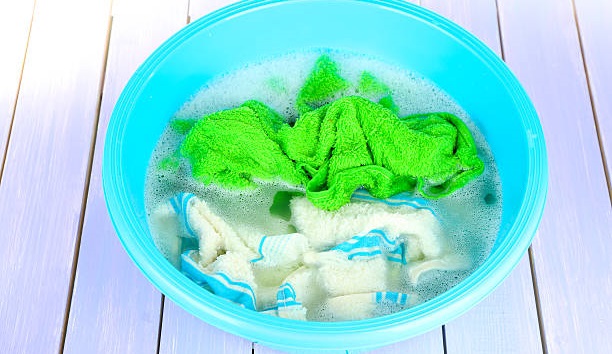
It's best to play it safe and always separate your laundry into three piles before washing: colored, dark and black, and white and light. Mixing them together is not recommended; in fact, it's better to separate brightly colored items by shade. To minimize the risk of staining, perform a quick dye bleed test. Dampen a cotton pad in clean water and press it against the fabric for 10-15 minutes. If the cotton pad retains its color after the allotted time, the garment will change color.
To prevent things from fading
In some cases, washing light-colored items with colored ones is permitted, provided the user reduces the risks through proper preparation and cycle settings. This includes the following mandatory steps:
- select a washing mode with a temperature of up to 30 degrees;
- turn off the spin to a minimum;
- Turn all items inside out before placing them in the drum;
- Before washing, soak colored laundry in a vinegar solution (soak for an hour, observing the proportions of 1 tablespoon of 9% acid per 1 liter of water);
- use detergents for colored items (the packaging should be labeled “Color”);
- Activate the EcoTime function.
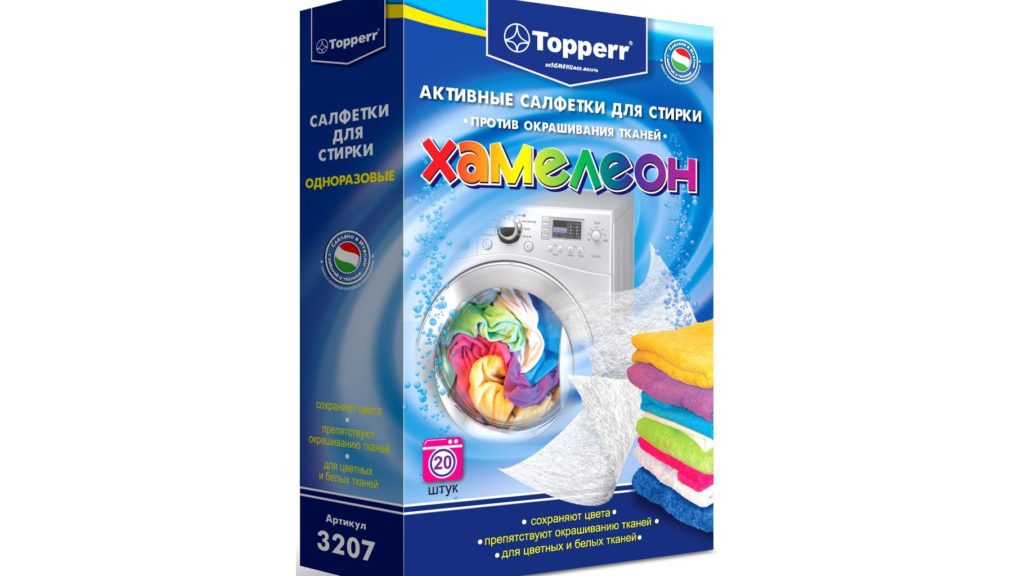
A great solution is to use special color-trapping wipes. Their beauty is that they absorb pigment that has washed off while protecting the rest of your clothes. These brands include:
- Topperr Chameleon (costs about $4),
- Heitmann (costing up to $3),
- Paterra (around $2.50–$3) and some others.
Color-catching wipes prevent white from being stained.
You can purchase these cloths at both household cleaning stores and online. The number of cloths depends on how full the drum is: 1 cloth for a half-load and 2 cloths for a full load. Keep in mind that these cloths are disposable, change color after washing, and are disposed of.
Getting rid of the consequences of molting
If precautions do not help and staining occurs, do not despair. In most cases, you can restore the color at home, using both improvised means and special cleaners. So, the following methods are good for shedding:
- peroxide (soak the dyed item for half an hour in a solution of 5 liters of water and 20 g of peroxide);
- ammonia (1 tbsp of alcohol per 5 liters of water and soak for an hour);
- laundry soap (grate a bar, dissolve in hot water and leave the clothes in the soap solution for 2 hours);
- lemon juice (good for localized color spots, when applied to the colored areas and left for 2-3 hours);
- toothpaste (used identically to citric acid);
- soda (dissolve 5 teaspoons of powder in 5 liters of water and boil the stained item in the resulting solution);
- dishwashing gel (add one capful of the product to 5 liters of water and soak the clothes for 15 minutes).
You can bleach the item with peroxide.
It's easiest to bleach a freshly dyed item. Once the garment dries, the dye will set firmly into the fabric, making removal much more difficult. It's best to remove the stain immediately and not delay.
Professional preparations
Faded linens can be "restored" to life using store-bought products. They are more effective than home-based cleaners and easier to use, as there's no need to calculate the correct proportions. The key is to choose a bleach that truly works. The following brands have proven themselves to be effective:
- ACE gentle whitening (gel, costs about $1, works well even in cold water);
- Chirton Oxygen (oxygen powder bleach, $1.50);
- Vanish Crystal White ($1.50 for 0.45 l, and for best results, soak the item for 6 hours first, then wash).
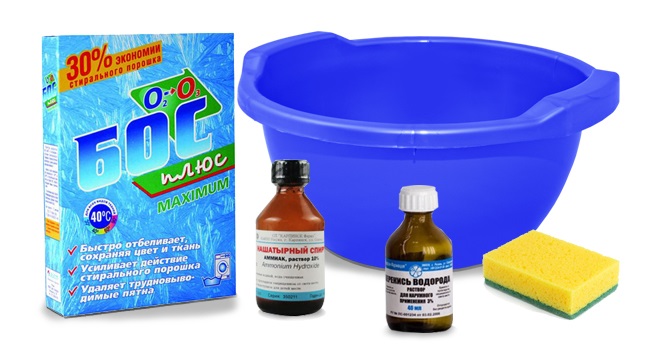
It's best to wash light-colored and colored items separately, but if this is unavoidable, minimize the risk of staining. We've already explained how to achieve this and what to do if it doesn't work.
Interesting:





Readers' comments
Headings
Washing machine repair




For buyers




For users


Dishwasher




Add a comment