
Washing a white shirt in a washing machine
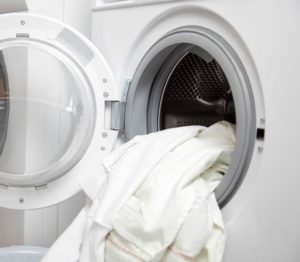 Light-colored items are considered wardrobe staples for good reason – they're versatile and complement all shades and prints. But keeping clothes white isn't easy: the fabric gets dirty quickly, and over time, it yellows and grays. But restoring their crisp whiteness is possible: you just need to know how to properly wash a white shirt in the washing machine or by hand. We'll help you understand all the possible stains, choose the right detergent, and find step-by-step instructions.
Selecting a cleaning method
Every white shirt requires special care, depending on the type of material. To avoid mistakes, it's best to first check the care label—the manufacturer's wash tag—where all the washing instructions are provided. If there is an icon with a crossed-out basin, the item should not be washed at all; if there is an image of a hand next to it, it should only be washed by hand.
If the label is lost or faded, you will have to rely on the fabric:
- Cotton can be washed both by hand and in a washing machine, in either case shrinking by 4-5%;
- It is better to clean silk by hand without soaking or wringing, maintaining the water temperature within 30 degrees;
- Wool can be loaded into the washing machine, but only on a special program;
- Synthetics are not damaged by the machine if you heat the water to a maximum of 40 degrees;
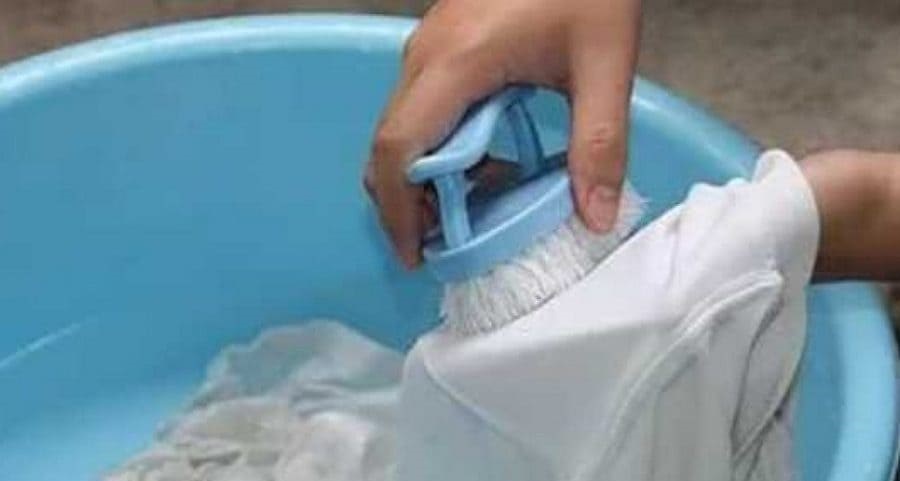
- Non-natural materials, modal, bamboo, viscose, acetate, prefer hand washing at 20-40 degrees and shrink by 7-8%.
As a rule, almost all shirts can be washed in an automatic washing machine without any problems. The key is to select the appropriate mode, adjust the temperature, and spin speed. But before loading the item into the drum, it's a good idea to prepare the laundry for washing. Here's how:
- sort by color (colored, dark and white items are washed separately, otherwise fading, staining and further damage cannot be avoided);
White washes with light blue and pink, as long as these materials do not fade.
- Pre-treat old and ingrained stains with a stain remover (it is also recommended to additionally wash the sleeves, collar and armpit area);
- We check all pockets for forgotten items;
- we fasten all buttons, zippers and snaps;
- turn the shirt inside out;
- select a detergent suitable for the type of fabric (cotton can be cleaned with any detergent, synthetics with gentle detergents, and delicate fabrics, silk, wool, and lace with special detergents);
Next, it is recommended to soak the light-colored shirt to enhance the subsequent washing effect. Dilute the grated mixture in water. laundry soap Or add any bleach. If you don't have a pre-soaking solution, you can use a mixture of powder, baking soda, and 2-3 drops of ammonia.
Let's use an automatic machine
If machine washing is permitted, you can begin loading the shirt into the drum. However, before pressing the "Start" button, you should adjust the cycle settings and consider a few additional points. These include:
- set the temperature for delicate fabrics within the range of 30-40 degrees, for cotton and linen – increase to 90 degrees, and for synthetics – set to 50;
- We give preference to gels, since powder mixtures dissolve worse at low temperatures and are harder to rinse out of fabric;
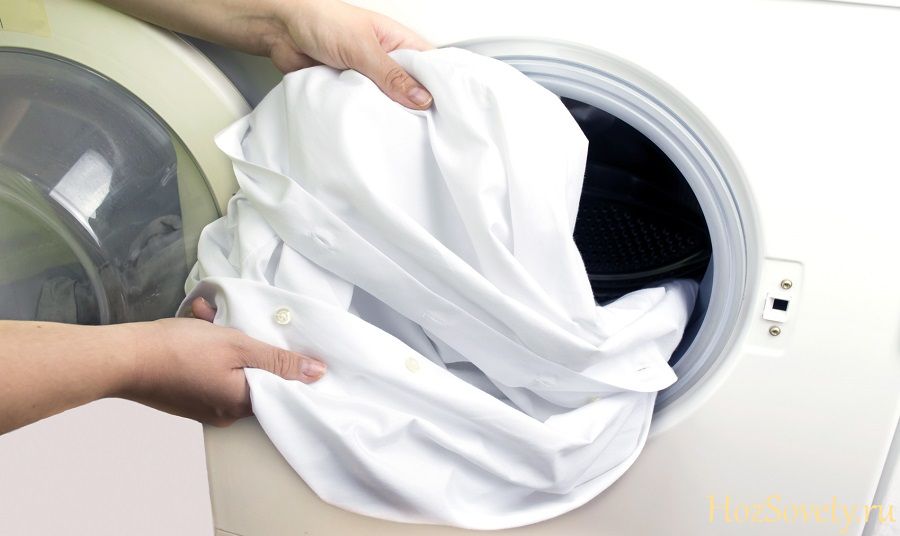
- turn off the spin, ironing and automatic drying (delicate fabrics do not like excessive mechanical stress and become deformed at high speeds);
- add an extra rinse;
- We wash viscose shirts in special bags that will protect the fragile material from possible damage.
It is recommended to wash viscose shirts only in special protective bags.
Modern machines have many modes that simplify the process of using the machine. Simply select “Wool”, “Delicate”, “Synthetics” or “Cotton” using the programmer and just check the automatically set settings. If everything is ok, we start the cycle and wait for the allotted time.
Traditional care
Hand washing shirts is different. First, you need to wash any existing stains and particularly dirty areas with a stain remover diluted in water. Ammonia and glycerin or baking soda and lemon juice will also remove dirt. Laundry soap, simply rubbing it into the fabric, has a similar effect.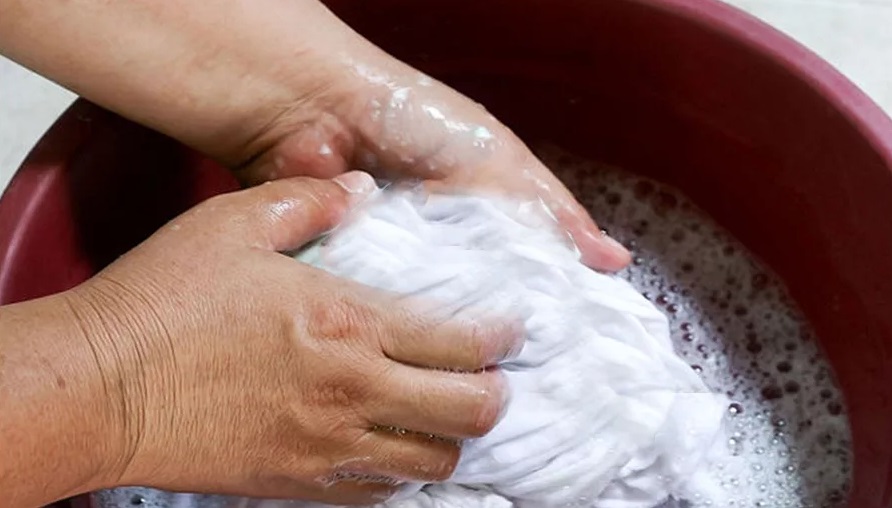
Next we proceed to washing:
- fill a basin or bathtub with warm water;
- dilute a suitable gel or powder;
- We lower the shirt into the solution and wash it, gently massaging the fabric;
- rinse;
- lightly squeeze the product without twisting it.
Shirts must not be wrung out or twisted.
Experienced housewives recommend hand-washing white shirts only. Gentle washing is less risky and more effective due to the use of natural bleaches.
Bringing back the whiteness of your shirt
White clothes get dirty more often and faster than colored and black ones, especially around the collar and cuffs. Restoring their original whiteness is possible, but it will require considerable time and effort. A surefire way to whiten them is to pre-wash the stained areas before the main wash:
- moisten the collar and rub with a sponge;
- Fasten the cuffs, turn them inside out and pull them over the bottle, then treat them with soap, dishwashing gel or bleach.
Vanish oxygen bleach is excellent at removing foreign stains.
To ensure your shirt retains its original light color for a long time, you should be mindful of your cleaning products. Oxygen-based bleaches, such as Vanish, are excellent for removing grayness. Just be sure to apply the concentrate according to the instructions.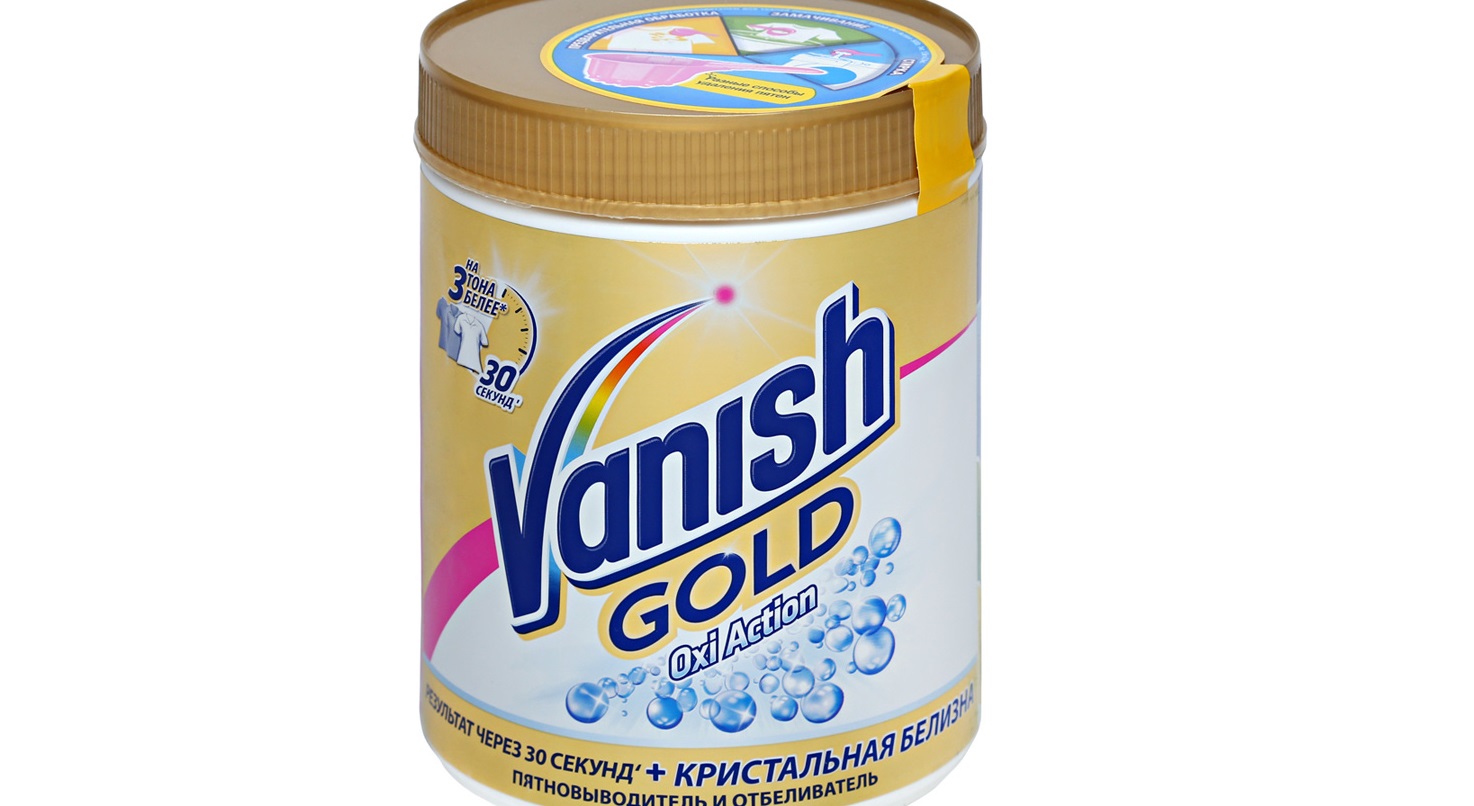
Among the “folk” remedies, hydrogen peroxide is an effective whitening agent. To restore whiteness, dilute 150 g of grated laundry soap and 40-50 ml of peroxide in 5 liters of water. Mix until smooth and soak for 30-40 minutes. Then remove, rinse, and thoroughly clean.
Getting rid of yellowness
White laundry is often ruined by yellow stains and streaks. Regular laundry detergents and gels can't remove yellowing, so more drastic measures are needed. Here are some methods to restore whiteness:
- use oxygen-based bleaches and stain removers (but the stains must be fresh);
- boil the item with non-chlorine bleach (if the shirt is made of cotton or linen).
For stubborn, bright yellow stains, prepare a special paste. Mix equal parts liquid soap, salt, and baking soda until smooth. Spread the paste evenly over the stained areas and let it sit for 30-40 minutes. Then remove the mixture and run a cycle in your automatic washing machine.
Makeup stains
If foundation, concealer, or lipstick gets on your shirt, you'll need other products. This is because cosmetics contain large amounts of oils. Not all bleaches can remove this type of stain. It's best to choose the following options: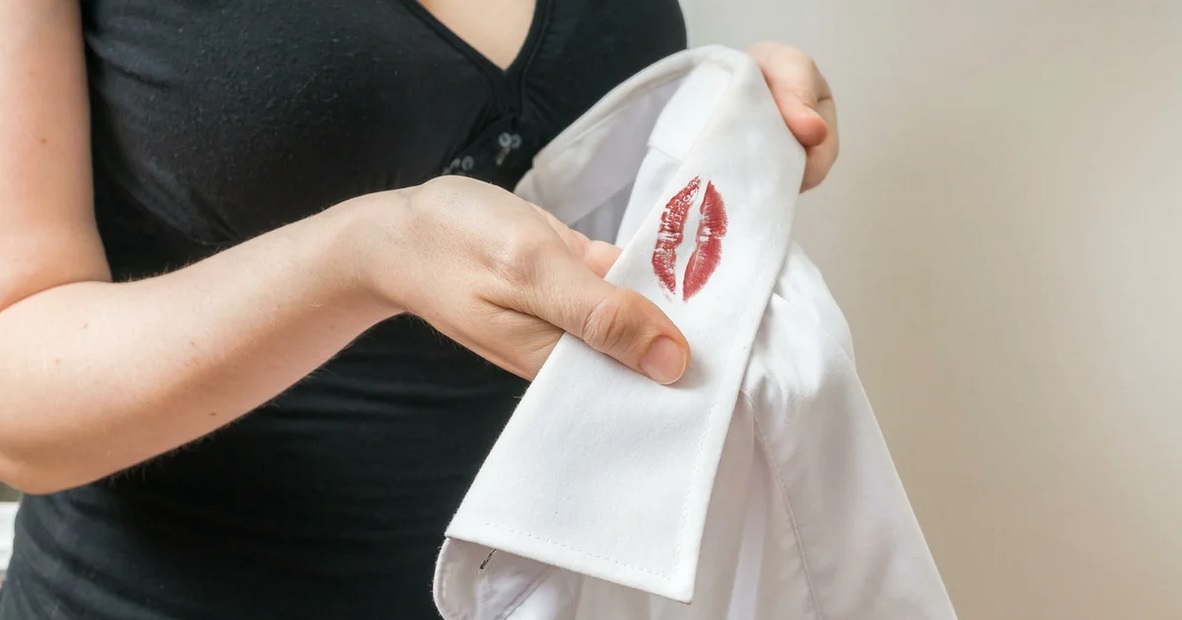
- a mixture of lemon juice and baking soda;
- dishwashing gel;
- toothpaste;
- pure or diluted ammonia;
- special chemical stain remover.
Apply any of the above mixtures to the stain and leave for a few minutes, gently rubbing with a sponge or hand. Then rinse and wash the garment in the machine or by hand.
Port wine stains
Removing red wine from white fabric is easy if you react to the stain immediately. Delaying cleaning is strongly discouraged, as fully absorbed and dried "red" stain will ruin the garment irreparably. So don't hesitate and act immediately.
- We lay the shirt out on the table, preventing the stain from transferring to the clean fabric.
- Fill the wine stain with warm wine or vodka.
- Sprinkle with salt, pour boiling water on top and leave for 1-2 hours.
- Dry with a dry napkin.
- We cover the trace with citric acid powder and pour citrus juice on top.
- We wash by hand or in a machine.
If the shirt is very thick, it's best to treat the stained area with liquid Domestos. Apply the solution to the wine stain, let it sit for 5 minutes, and then rinse. Be sure to load the shirt into the washing machine and run a full cycle.
Removing white wine stains from a shirt is easier. Rubbing ice over the shirt and washing it with a solution of soap and baking soda will help remove wine stains. A shirt can also be cleaned effectively if, after washing, the stain is rubbed with laundry soap or washed out with a water-alcohol solution. In severe cases, mix ammonia, turpentine oil and soap, and then lubricate the problem areas with the mixture.
Dye and paste
Removing dye from light-colored items is easy. However, the method depends on the freshness of the stain. Dried dye can be brushed off and rinsed under cold water. The remaining stain can be treated with soap or bleach. In the former case, soak for 25-30 minutes, while in the latter case, simply leave the stain remover on the shirt for 5-6 minutes. Then wash as usual.
If dye gets on fabric, do not place the garment in hot water – at high temperatures, the dye penetrates deep into the structure of the material and settles there firmly.
Ink can be removed from white surfaces by treating them with pure rubbing alcohol with a concentration of at least 70%. "Aseptolin," a medication available over-the-counter, is also effective.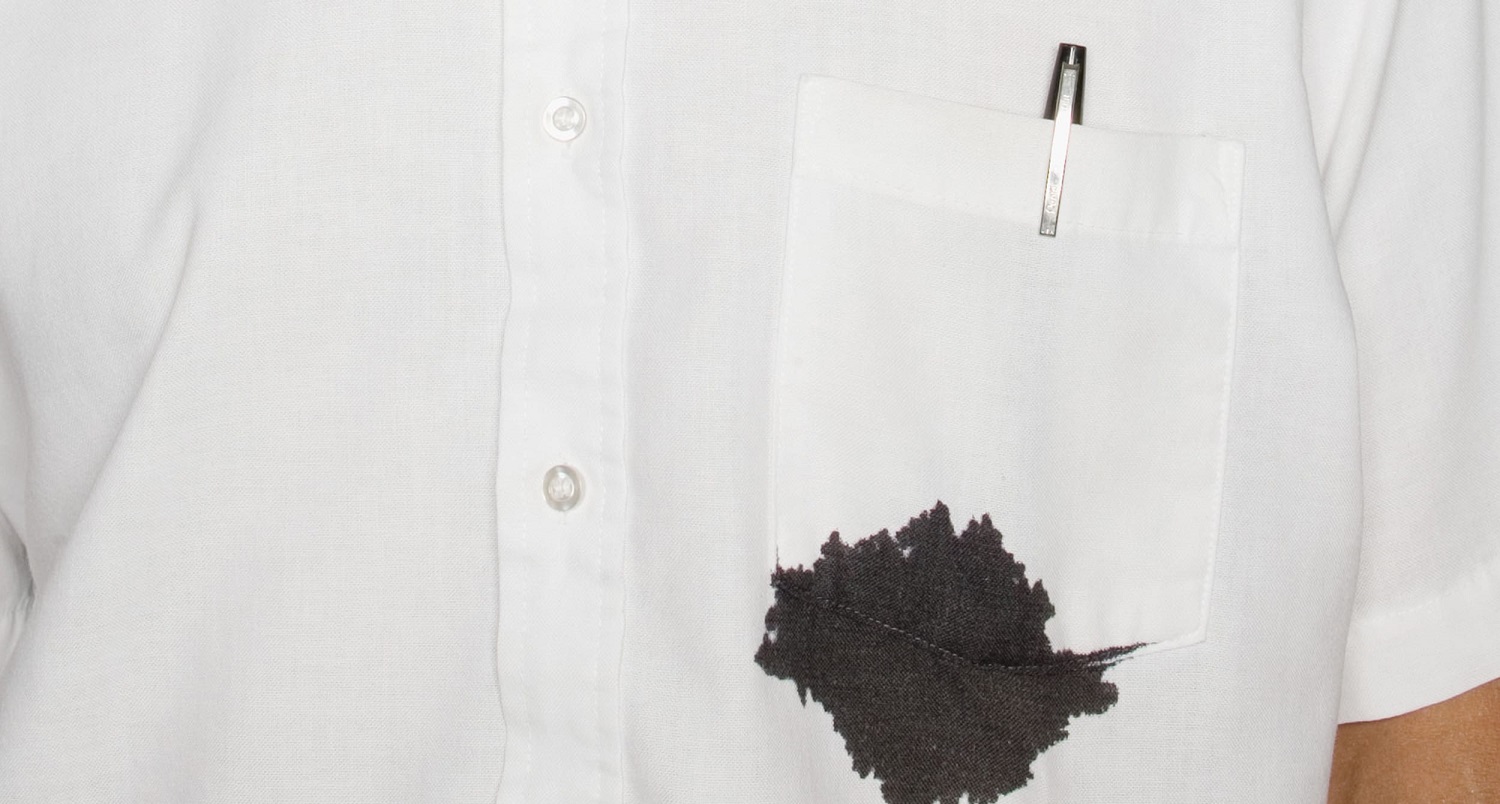
Getting rid of moisture
How to dry a light-colored shirt depends on the type of fabric. If the item is high-quality and wrinkle-resistant, it's fine to hang it on the balcony, after fastening all the fasteners and smoothing out any wrinkles. Blouses made of delicate materials are best hung on hangers and then exposed to sunlight and wind. Viscose items dry, the main thing is to place them on a dry terry towel.
Interesting:





Readers' comments
Headings
Washing machine repair




For buyers




For users


Dishwasher




Add a comment