
How to wash clothes to avoid pilling?
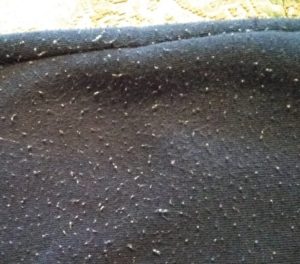
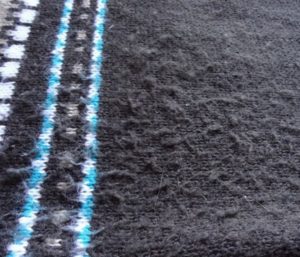 Unsightly pilling can occur on virtually any fabric. It occurs when individual fibers separate from the rest of the fabric and tangle into a clump. To reduce the likelihood of pilling, follow certain clothing care guidelines. Let's explore how to wash clothes to prevent pilling and which clothes are less prone to it.
Washing correctly
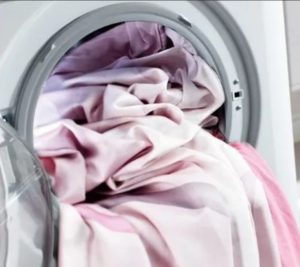
Every housewife knows the basic rules of washing clothes. To prevent pilling, turn clothes inside out before placing them in the washing machine drum. The thing is that when things are “scrolling” in the machine, they touch each other, and this can cause loose fibers in the fabric to become tangled.
Even if pilling occurs, it will be on the inside, so your favorite dress or sweater will retain its original appearance. This is the most important advice to follow.
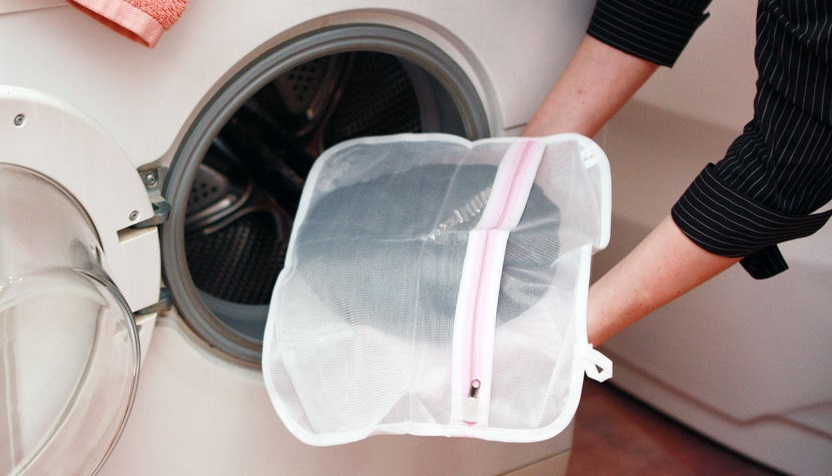
A special laundry net can help prevent pilling. It's best to place items prone to pilling in the net before placing them in the washing machine drum. This will prevent unsightly pilling balls from forming inside or outside the garment.
It is recommended to hand wash clothes that are prone to pilling.
A good alternative to the gentle cycle of your washing machine is hand washing your laundry. This allows you to control the process yourself. Be sure to wash items separately, one at a time. The procedure for hand washing is as follows:
- Fill a basin, bathtub, or other container with water. Depending on the material the garment is made of, control the temperature of the liquid;
- Pour in the cleaning agent, stir the water with your hand until the agent is completely dissolved and foams;
- Place the item in a soap solution and soak for 5-10 minutes;
- Begin rinsing the item in water. It is important not to rub the fabric;
- rinse the clothes several times in clean water;
- Gently squeeze the item without wringing it.
When washing clothing, it's best to use liquid detergents with enzymes. These products, in addition to being excellent at removing all types of stains, are also able to dissolve the proteins and sugars found in natural fibers. For example, when using enzyme-based detergents on clothes prone to pilling, they can break down the small fuzz, preventing the pilling from forming.
When choosing an enzyme laundry detergent, focus on its key components. It should contain cellulase, amylase, and protease. These substances are capable of breaking down proteins, sugars, and other molecular particles.
It's best to avoid using traditional laundry detergents, as they increase the risk of pilling during cleaning. Liquid gels are preferable.
Be sure to run the “Delicate” or “Hand” wash cycle.
Gentle cycles can reduce the risk of fabric fibers separating and tangling. Clothes will rub against each other less frequently because the drum rotates much more slowly in these programs.
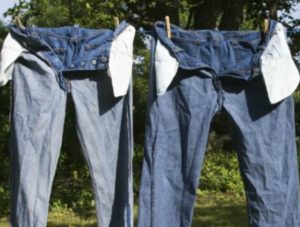
Drying clothes properly is also important. Using a tumble dryer increases the risk of pilling. Also, clothes hung on the rods of a drying rack rub against each other, causing pilling. It is advisable to hang things so that they do not touch. A clothesline is an ideal option for drying.
When it's warm outside, it's best to hang clothes outdoors. In cold weather, drying them indoors is necessary. In such situations, it's essential to properly ventilate the rooms to ensure adequate air exchange and prevent excess humidity.
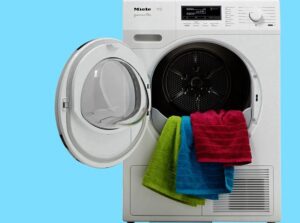
If tumble drying is necessary, it's important to set the drying chamber to its lowest setting. A low drying temperature will prevent shrinkage and minimize the risk of heat damaging fabric fibers. Remove items from drying cabinet It is necessary to do this immediately after drying in order to reduce the amount of friction they experience while in the device.
How to wear things correctly?
To prevent pilling, it's important not only to wash items carefully but also to wear them carefully. Wearing them properly will extend the life of your favorite blouse or shirt and help prevent tangling. It is important not to wear clothes too much – intensive wear will cause pilling, especially if the item is used daily.
Any item of clothing should "rest" after wearing. It's best to wear it again only after 24 hours, allowing it to return to its original shape before using it again. This recommendation applies to jumpers, shirts, T-shirts, and other items.
Daily wear causes clothes to stretch and, as a result, pilling.
Stretching the material causes short fibers to separate from the rest and begin to bunch up. Therefore, it's crucial to prevent your favorite items from becoming misshapen.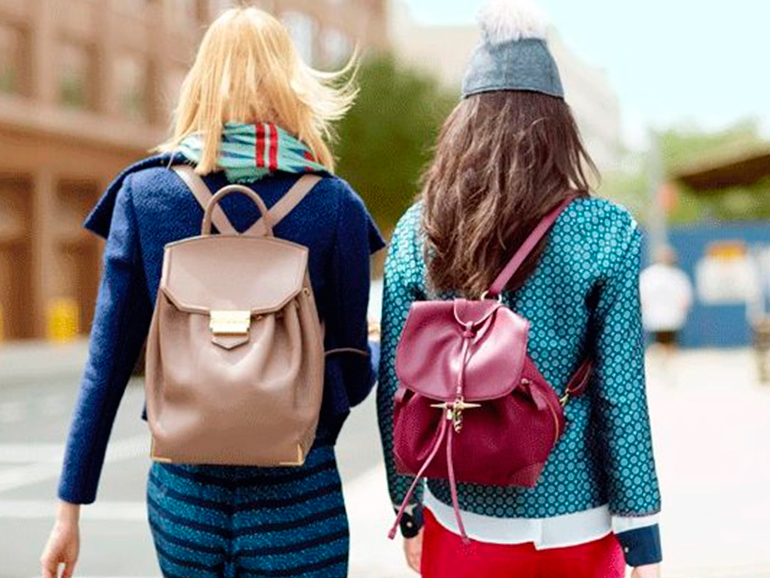
Bags and backpacks are often the cause of pilling. The straps of these accessories, when rubbing against clothing, cause fibers to be pulled out of the fabric and become tangled. Therefore, backpacks should only be worn over jackets and sweaters made of durable, thick fabrics. Wearing a handbag over a wool sweater will quickly cause it to pill and look untidy.
Another recommendation for proper wearing is to try to minimize friction between items prone to pilling. You should also minimize contact of such clothing with other surfaces and objects. For example, avoid:
- resting your elbows on the countertop while eating or working;
- crossing your legs, shuffling your feet on the floor (firstly, your trousers get washed, secondly, your socks);
- crawling on the floor in pants or trousers;
- sit on rough surfaces that can damage the fabric.
Clothes often get damaged by people who spend a lot of time behind the wheel. While driving, their backs constantly rub against the seat, and as a result, the clothes get scuffed and completely covered in lint. There are three ways to prevent this:
- buy soft covers for car seats;
- wear sweaters made of thick, wear-resistant material that can withstand constant friction;
- When getting behind the wheel, put on a special vest, and take it off before getting out of the car.
The next tip is to avoid rubbing the stain. Typically, the first reaction to a fresh stain is to rub the affected area. Wet the area with water, add stain remover, and rub vigorously until the stain is removed. However, this will inevitably lead to pilling, so it's best to avoid it.
But how do you remove stains from laundry? Fabrics prone to pilling should be cleaned as follows:
- Place the stained item on a clean towel or cloth;
- treat the contaminated area with a stain remover;
- Gently blot the stain with a clean cloth.
This way, without any rubbing, the stain will gradually come off. Then, rinse the garment with water and dry it. Items prone to pilling should be kept away from clothes with Velcro. These fasteners can catch on delicate fabrics and pull out fibers, which can then become tangled. Therefore, if you have clothes with Velcro, make sure they are always fastened, especially when washing.
Choose durable items
Of course, it's best to avoid items prone to pilling when buying a new wardrobe item. While pilling can certainly occur on any material, some fabrics are more susceptible. Try to give preference to dense and wear-resistant items so that in the future you won’t have to deal with “lumps” on your clothes. For example, synthetics are more prone to fading than cotton or linen.
Most often, pellets “attack” synthetic fabrics such as nylon, polyester, and acrylic.
Blended fabrics, including both synthetics and natural fibers, are also prone to pilling. One natural material that is prone to pilling is wool. If you're looking for a wool sweater, look for a dense, thick knit. The looser the weave, the more the sweater will pill. A dense fabric won't be as see-through. Therefore, if you don't want to constantly worry about pilling, it's best to avoid a fine knit.
Denim is a tightly woven fabric, so it rarely clumps. It takes a lot of work to create a few pilling spots on denim.
It's important to choose clothing made from fabrics with a high thread count per 10 cm of material. For certain types of specialty fabrics (for example, bedding), the thread count is measured by the number of threads per ten centimeters of length. The higher the stated thread count, the higher the quality of the fabric. The fibers of such materials are long enough to hardly pill. This is because they lack short fibers that can become loose and tangled during use.
Therefore, pilling can be avoided by properly caring for your clothes, wearing them carefully, and avoiding excessive friction. It's equally important to choose your underwear wisely from the start, assess the quality of the material, and avoid fabrics that will pill after the first wash.
Interesting:
Readers' comments
Headings
Washing machine repair




For buyers




For users


Dishwasher




Add a comment