
How to wash a pea coat in a washing machine?
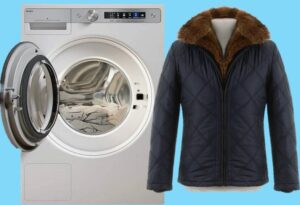
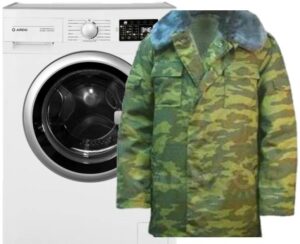 Bulky items are extremely difficult to clean by hand—they're practically unliftable when wet. Not everyone can afford dry cleaning, so the only option is to wash a military or police pea coat in the washing machine. This option is easier, simpler, and faster, but it has its own risks and nuances. We suggest you figure out how to wash a padded jacket without damaging the collar, shape, or color.
How to wash a pea coat correctly?
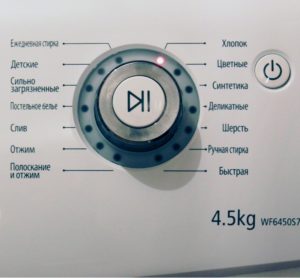
It's practically impossible to hand-wash a winter military or police pea coat, so many opt for machine washing. The main problem is the collar – it is not detachable and can be damaged if the wrong program is selected. However, avoiding unpleasant surprises is easy if you follow the advice of experienced housewives. The cycle is set up as follows:
- program - wool, delicate or hand wash (the pea coat will not have time to wash in a short cycle);
- temperature – up to 30 degrees (in hot water the quilted jacket will inevitably “shrink”);
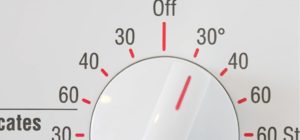
- rinse – double;
- Spinning should be minimal (otherwise there is a risk of imbalance due to the heavy weight of the item and deformation of the collar).
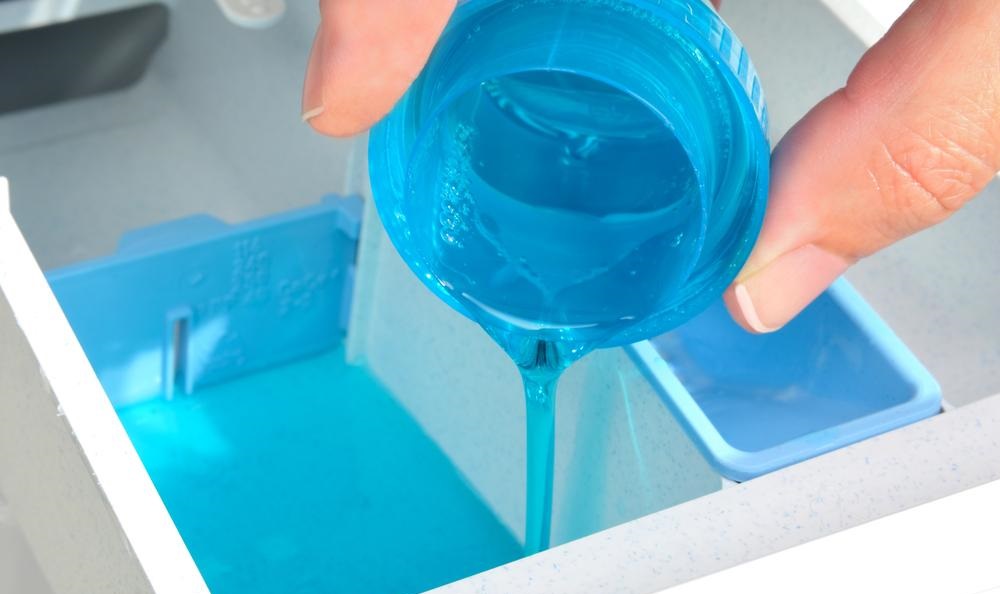
It's best to choose a gentle detergent—a gel for washing wool or delicate fabrics. Powders are not recommended, as the granules don't dissolve well in cold water, remain in the fibers, and appear as white spots after drying. Chlorine-based bleaches and other harsh cleaning agents are also prohibited.
The pea jacket should be washed at temperatures up to 30 degrees, otherwise the material will shrink!
Before washing, turn the pea coat inside out, zip it up, and place it in a mesh bag. It's important that the washing machine be large enough to accommodate such a bulky item. After the cycle is complete, transfer the wet quilted jacket to the tub, where the moisture is gently squeezed out. Then, lay the jacket out to dry on a flat, horizontal surface in a ventilated area away from direct sunlight and heaters. Shake and turn the jacket periodically to prevent the insulation from matting and clumping.
After drying, pay attention to the collar. To restore its original appearance, simply comb the fur with a stiff styling comb. A clothes brush or slicker brush will also do the job.
If you decide to wash by hand
Hand washing a pea coat should be done under similar conditions: cold water, gentle detergent, a generous rinse, and a gentle spin cycle. This is safer than washing in a machine, but it's much more difficult and time-consuming, especially if you're doing it alone.
But sometimes hand washing is unavoidable. During service, a pea coat gets very dirty, especially with tough stains like machine oil, kerosene, or blood. Removing such stains in one machine cycle is problematic; it is much more effective to pre-wash the affected areas. We proceed as follows:
- we lower the quilted jacket into the bath;
- soak the pea coat for 30-40 minutes in a solution of warm water, vinegar and mild laundry detergent;
- drain the water, sprinkle the stains with a delicate detergent and lather with a soft brush;
- leave the item with foam for another 10-15 minutes;
- We wash off the foam and dirt with a shower head.
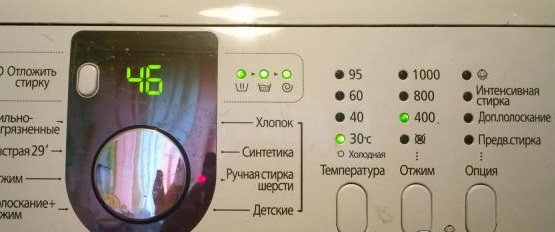
Adding detergent is not recommended, as it's difficult to rinse out the granules by hand—they remain in the material, clinging to the fibers. It's best to let the water drain and then load the pea coat into the washing machine. Ideally, run a full wash cycle according to the instructions described above. If the wash cycle has removed all the stains, you can limit yourself to the "Rinse + Spin" program. Remember to reduce the speed to 400-800 rpm to prevent shrinkage and imbalance.
Advice from the pros
When choosing washing conditions for service uniforms, be sure to follow the manufacturer's recommendations. Each item has a label indicating the optimal temperature, cleaning method, and other important information. Be sure to check the composition and color of the item—all this will help you wash your pea coat without risks or surprises.
When planning to wash a pea coat, there are a few other things to consider. These include water quality, detergents, and the type of fabric dye. Let's look at each in more detail.
- Water quality. It's no secret that tap water contains chlorine and aluminum impurities—chemicals containing these are added centrally to clean the system. This results in increased water hardness, which makes the detergent less soluble, difficult to rinse out, and leaves white stains on the fabric. As a result, the fibers become clogged, the color fades, and the pea coat loses its original appearance. Installing special filters on pipes and faucets is a solution.
Delicate gel-based detergents are used for washing outerwear.
- Detergents. Ideally, choose mild formulas and delicate gels without harsh bleaching agents.
- Material dyeing type. A solid color requires wet dyeing and "Color" powder. Camouflage is a printed design, so a delicate product is needed. When transferring a print through paper, a color-preserving product is selected.
Machine-washing a pea coat is possible—you just need to remember a few rules. This will prevent shrinkage, the collar will stay intact, and the overall shape will stay clean.
Interesting:
Readers' comments
Headings
Washing machine repair




For buyers




For users


Dishwasher




Add a comment