
Can you wash soccer cleats in a washing machine?
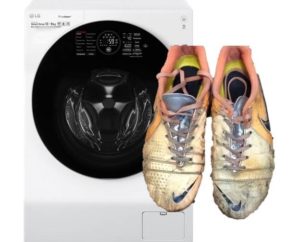 Freshly purchased sneakers look flawless. However, after a couple of games at the stadium, the cleats become dirty, covered in mud and grass stains. The worst part is that cleaning the dirt from the shoes is quite difficult, and if done incorrectly, you can damage your expensive footwear.
Before you start cleaning your shoes, you need to understand how to do it properly. We'll explore whether it's safe to machine wash soccer cleats and the best way to remove stains without ruining your sports equipment.
Preliminary stage
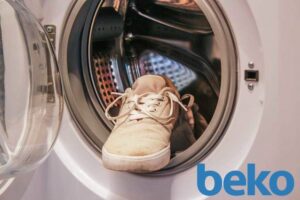
Manufacturers do not recommend washing soccer cleats in the washing machine. Firstly, the intense spinning in the washing machine can damage the shoe itself. Secondly, there's a risk of damaging the drum, especially if the soles of the shoes are studded with steel spikes.
Low-quality boots are likely to come apart after the first machine wash. Even good shoes made from premium materials can lose their shape. However, despite manufacturers' warnings about potential problems, many people prefer to machine wash their soccer shoes.
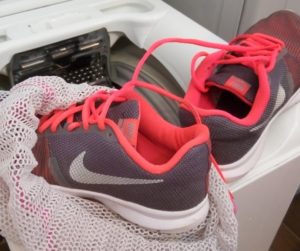
If you decide to throw your boots in the washing machine, it is advisable to purchase a mesh bag for washing shoes.
You can buy a mesh bag at regular hypermarkets or hardware stores. The mesh will hold the shoe in place and reduce the pressure on the washing machine drum. You can also place soccer cleats in a pillowcase for the same effect. If you ignore this rule, the sneakers will “fly” inside the machine, constantly hitting the metal walls.
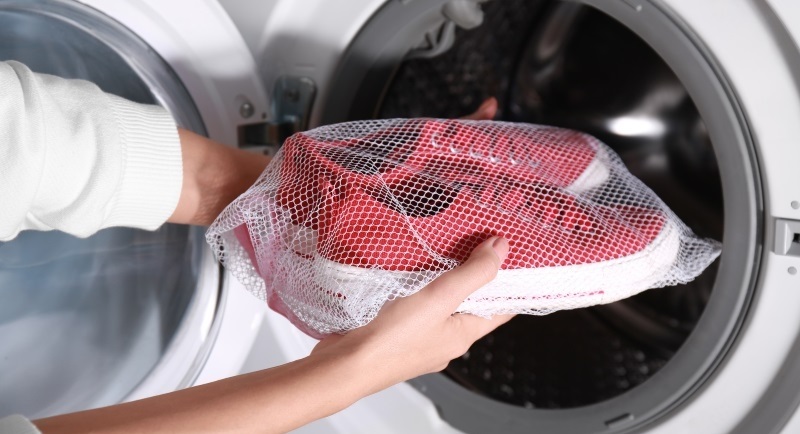
Before throwing your boots in the washing machine, be sure to:
- wipe their surface with a damp cloth to remove dust;
- clean the sole from dirt;
- remove the laces and insoles.
The soles of your shoes accumulate a lot of debris, so it's important to clean them separately before washing. First, tap one shoe against the other to remove any stuck-on dirt. Avoid rubbing the shoes together too hard, as the metal inserts on the studs can damage the shoes.
Afterwards, it's best to use a soft brush and carefully remove any stuck-on dirt. If small stones are stuck in the tread, you can clear them out with a match. Avoid picking at the sole with sharp objects, as they can damage the rubber.
Once the pair of shoes is ready, you can begin machine washing. Let's figure out the best cleaning cycle for soccer cleats.
Is it worth using the technique?
If your boots are made by a reputable manufacturer that uses high-quality materials, you can try washing them in the washing machine. It's important to use special liquid detergents designed for athletic shoes. Avoid regular powder detergents, as their granules don't completely dissolve in cold water, and some of them remain in the fibers of the material, causing streaks.
By following all rules and recommendations, you can minimize the risk of damage to shoes and washing equipment. The automatic washing algorithm should be as follows:
- clean the soles of your sneakers from any stuck dirt;
- Remove the insoles and laces. They are washed separately;
- Place the boots in a laundry bag. If you don't have a mesh bag, use an old pillowcase;
- Throw your shoes in the washing machine. Add some old kitchen towels or T-shirts along with the sneakers. The items will act as a counterweight and soften the impact of the boots against the walls of the drum.
- pour washing liquid into the tray;
- Select a program. The "Sports Shoes" mode is suitable. If this is not available, you can use the manual or delicate cleaning mode;
- make sure that the water heating temperature at the set mode does not exceed 40°C;
- Turn off the spin cycle or set the speed to four hundred revolutions per minute.
Once the cycle is complete, all you have to do is remove the boots from the drum and dry them naturally. By following all the rules and recommendations, the risks of unpleasant consequences from machine washing will be minimized.
If you don't want to risk your expensive athletic shoes and even more valuable household appliances, it's best to clean your sneakers by hand. We'll show you how to do it right.
Traditional cleaning
The most careful and “caring” way is to clean shoes by hand. Hand washing will remove dirt and other stains while maintaining the shape, appearance, and quality of your soccer cleats. The sequence of actions will be as follows:
- make a soap solution - dilute shoe washing gel, shampoo, dishwashing liquid or good powder in cool water;
- Remove the laces and soak them separately from the sneakers. Yellowed laces can be treated with oxygen bleach or a mixture of water and baking soda;
- take a soft brush and soak it in the soap solution you made earlier;
- Using a wet bristle brush, gently brush away any dirt from the surface, moving from the lace holes to the bottom. This will prevent moisture from accumulating in the material, which will prevent stains.
- If there are individual stains on the surface, treat them with a toothbrush moistened with soapy water;
- Clean the tongue at the very end. It's easy to wipe dirt off this part with a dish sponge;
- Rinse the sneakers until the soap suds are completely gone.
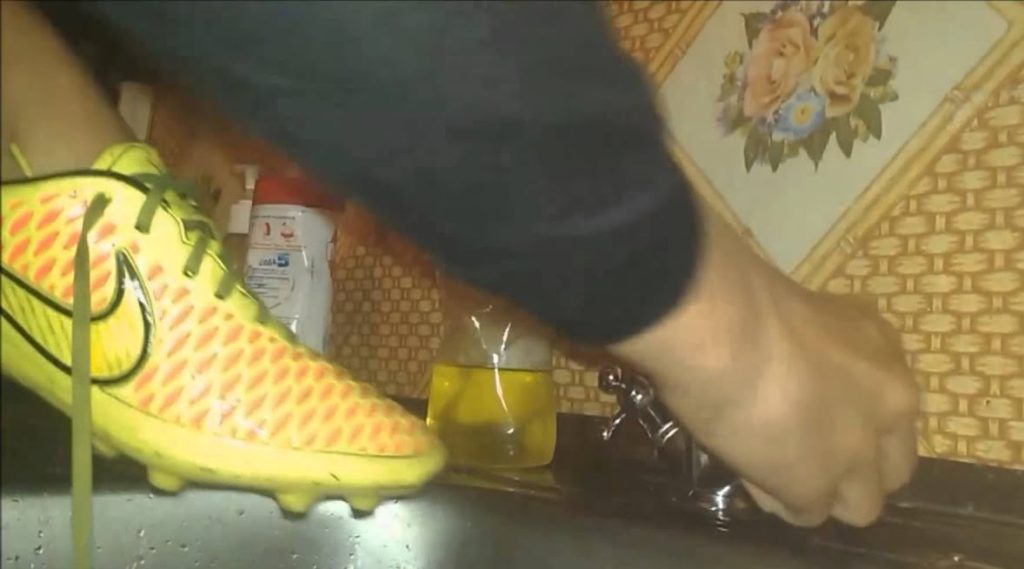
Wipe the surface of your soccer cleats gently, avoiding damaging the material. Avoid getting water inside the shoes. After washing, wipe the shoes dry with a clean towel.
Cleaning without water
For surface contamination, dry cleaning is recommended to avoid getting the boots wet. This method removes dust, grass particles, dirt, and other light stains. You'll need a shoe brush and a regular toothbrush. Follow these steps:
- knock your sneakers together to shake off any dirt from the soles;
- clean out any remaining debris stuck in the tread;
- put your hand inside the shoe and use a dry brush to “go over” the outside of the shoe;
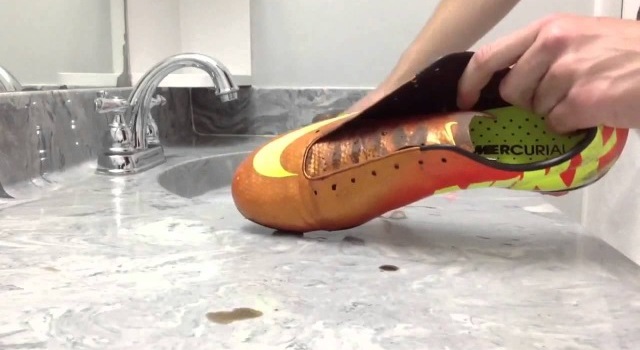
- If there are old stains, thoroughly scrub them with a toothbrush and wipe the affected area with a damp sponge. After drying, repeat the procedure.
Don't forget to unlace your sneakers before dry cleaning and reinsert the laces afterwards.
If your sneakers are made of water-repellent fabric, you can wipe them with a cloth dampened with water and detergent. Finally, simply wipe away any foam residue with a dry cloth. Wet cleaning won't damage the boots.
How to get rid of moisture?
Drying is an equally important step when cleaning soccer cleats. After washing, be sure to wipe the wet sneakers with a dry cloth or towel. Next, place the sneakers in a basin or bathtub to allow excess water to drain.
Once the water stops leaking from the boots, you can stuff them with clean white paper. It will quickly absorb the moisture, significantly speeding up drying. During the first hour, replace the parchment paper as it gets wet. Avoid stuffing newspapers or magazines inside. Printing ink will immediately stain the material, ruining the look of the pair.
It's important to keep sneakers away from bright sunlight while drying. Exposure to ultraviolet light is damaging, causing the fabric to fade and the adhesive to weaken. Sports shoes should not be placed on radiators or near heaters, as high temperatures can cause the boots to become deformed.
To dry sports boots, you can use a special electric shoe dryer.
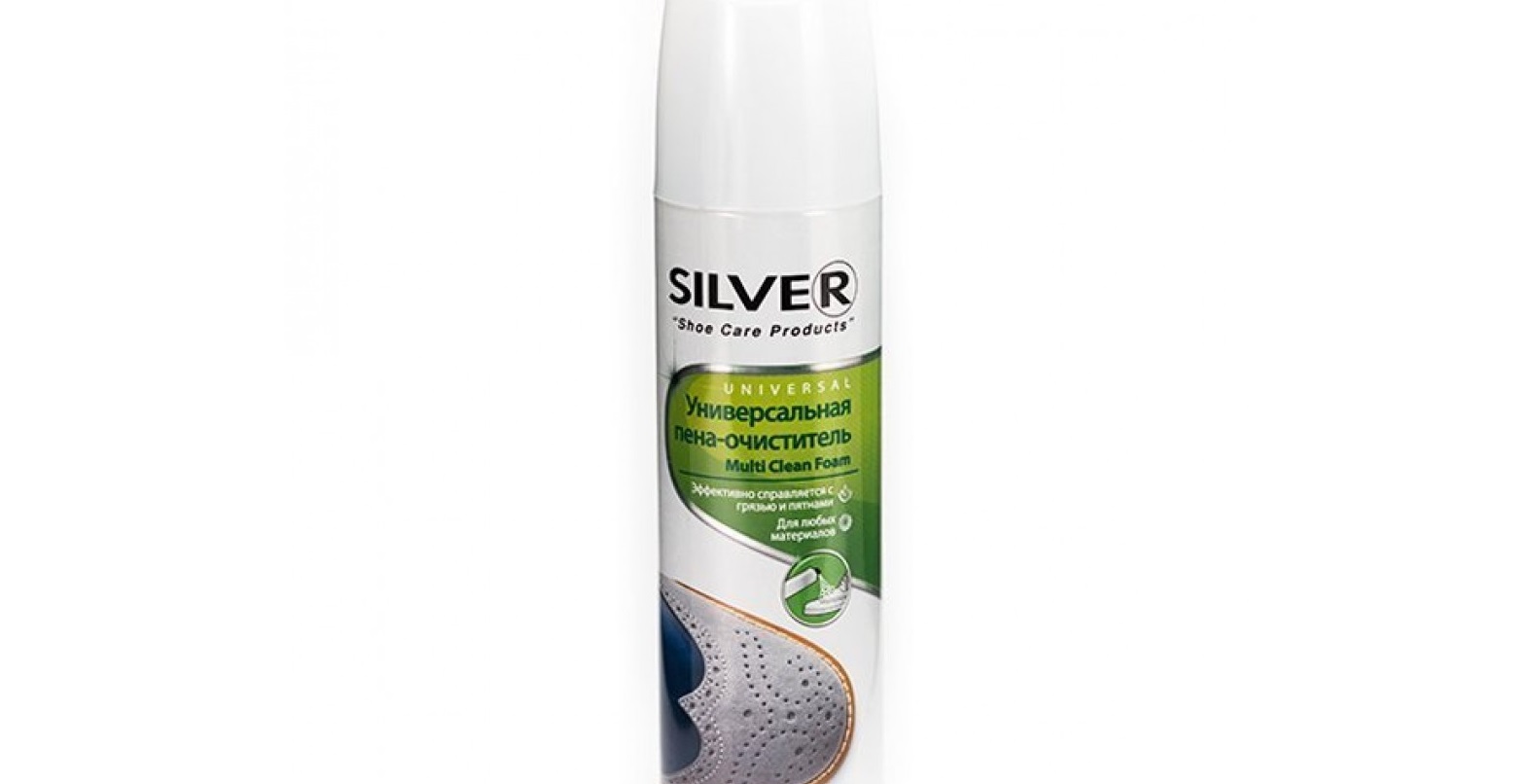
If you notice streaks on the sneakers after they've dried, you can use a special foam cleaner. Spray the solution on the affected area, wait 3-5 minutes, and then wipe with a dry cloth. The whitish stains will disappear.
Once the soccer cleats are dry, all that's left to do is replace the insoles and laces. By following the washing and drying guidelines, you can maintain the appearance and performance of your boots for a long time, even with regular wear.
Interesting:
Readers' comments
Headings
Washing machine repair




For buyers




For users


Dishwasher




Add a comment