
Washing elastic bandages in a washing machine
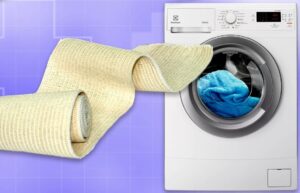 Unlike gauze, a compression bandage can be used for a long time, not just once. To ensure it retains its original properties for a long time, it needs to be properly cared for. Let's find out whether it's safe to machine wash an elastic bandage and what products are suitable for removing stains.
The basic principle of care
Some people wear elastic bandages daily. Compression bandages help with venous conditions, distributing pressure more evenly across the legs. They are also effective for sprains and strains. Furthermore, they provide secure support to joints, preventing injury, a feature highly valued by athletes.
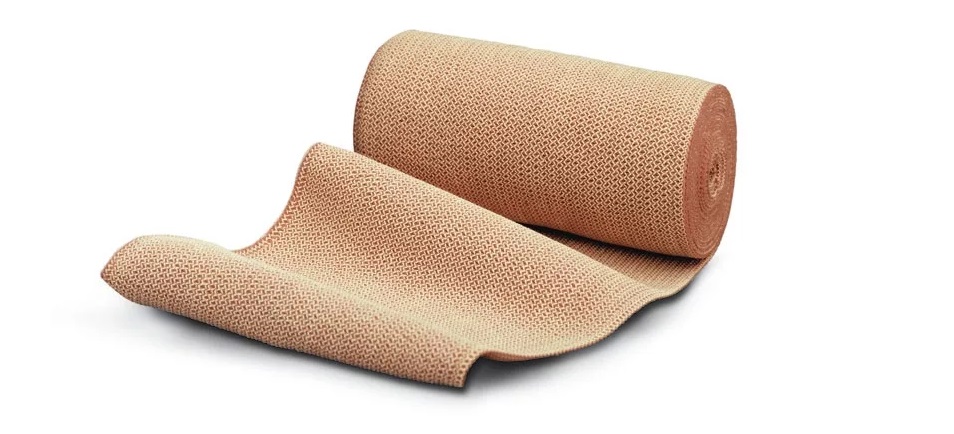
Elastic bandage can be synthetic or cotton.
Cotton-based bandages are more suitable for daily use. Therefore, if a doctor has recommended continuous, long-term use of the tape, these bandages are a good choice. Synthetic bandages are made from polyurethane or rubber fiber. The composition of the bandage is indicated on the label. These bandages are less susceptible to wear and tear and are more durable, making them most commonly used by athletes.
The rubber structure of compression bandages allows for long-term use. With proper care, the tapes will retain their properties for many months. Elastic bandages are best washed by hand, but they can also be washed in a washing machine. Compression bandages deteriorate quickly when exposed to high temperatures. Therefore, it is important to wash them on a delicate cycle, at a temperature no higher than 30°C, with the spin cycle turned off. Never iron elastic bands.
How to use the machine?
Before throwing your bandages in the washing machine, be sure to read the product label. The label will contain all the care instructions. If the manufacturer allows for machine washing, then:
- Roll the compression bandage into a roll and place the “roll” in a special mesh bag for washing;
- Add a few more items to the drum. Do not run just one bandage through an empty machine, as this could cause the machine to become unbalanced.
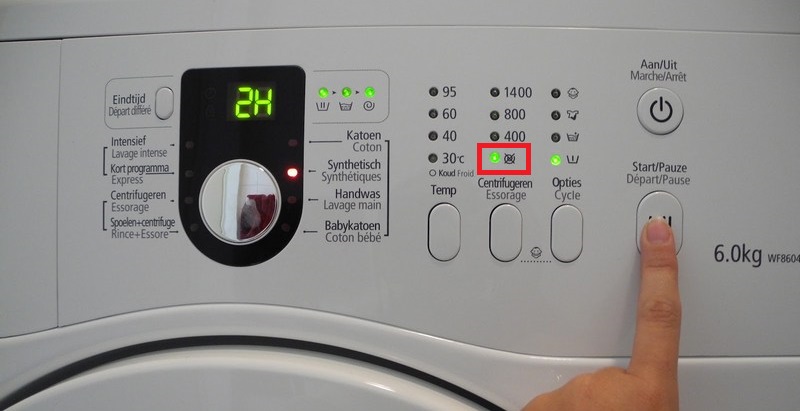
- Select a gentle wash program. Make sure the water temperature does not exceed 30°C;
- disable the "Spin" option, if available;
- Pour washing gel into the powder dispenser. The liquid composition will not damage the structure of the bandage and will rinse out of the fabric fibers better;
- start the cycle.
Elastic bandages cannot be loaded into the washing machine drum in a “straightened” form; they must be rolled into a “roll”.
The spin cycle must be turned off to avoid damaging the structure of the compression bandage. Drumming the bandage at high speeds can cause deformation and tearing of the fibers.
Traditional cleaning method
As mentioned earlier, it's best to hand wash elastic. This ensures a more thorough and gentle cleaning. But how do you do it correctly? There are several nuances:
- You should first soak the bandage in soapy water for 15-20 minutes. This will soften the dirt and help it come off faster;
- Be sure to fill the basin or machine with cool water – not hotter than 30°C;
- do not use conditioners;
- It is advisable to use liquid detergents;
- Do not rub the elastic bandage with force with your hands - this can damage the structure of the material;
- Do not twist the compression band during rinsing and spinning to prevent it from losing its shape.
Hand washing an elastic bandage is easy. Simply fill a basin with cool water, add liquid gel, and soak the bandage for 20 minutes. Then, gently rub the bandage to remove any dirt and rinse. Don't twist the bandage, so to remove excess moisture, clamp it between two terry towels. Then, lay the bandage flat to dry in a well-ventilated area.
How to remove stains?
Particular attention should be paid to the selection of cleaning products. When washing elastic bandages, be sure to use only liquid detergents: gels, balms. There are a number of reasons why you should avoid using dry laundry detergent: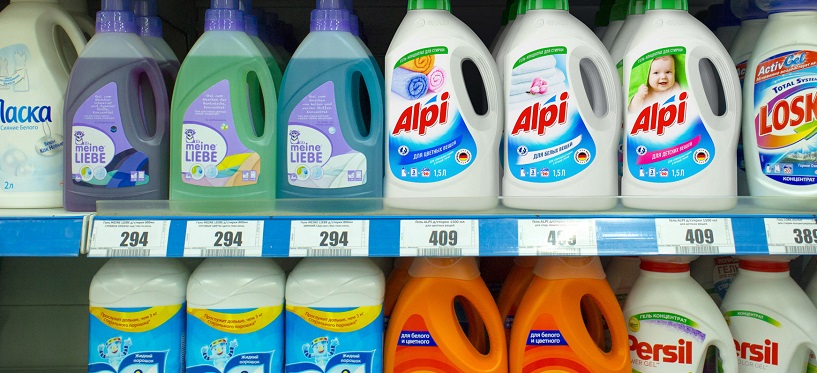
- some of the granules will still get “stuck” in the fabric fibers, since the washing temperature is low;
- They usually contain aggressive components that have a negative impact on rubber.
The use of conventional powders can lead to loss of elasticity of compression bandages.
Therefore, it's best to use gels for delicate fabrics in the washing machine. When hand washing, in addition to liquid detergents, you can use baby soap or laundry soap. People prone to allergies to household chemicals should soak the bandage in cold water for a couple of hours after washing. This will completely remove any residual detergent from the fibers and prevent skin irritation.
Recommendations from experts
When washing elastic bandages, people often make simple mistakes that lead to premature failure. To prevent this, it's important to follow basic expert recommendations.
- Don't wash your compression bandage frequently, just after each wear. Cleaning should be done as soon as the product becomes soiled. The fabric is very fragile, and exposing it to household chemicals is undesirable. Delaying cleaning is also important, as this can cause the elastic threads to shrink and break.
- Do not use hot water. The optimal temperature is no more than 30°C.

- It's best to avoid using loose powders. You should also avoid conditioners.
- Do not rub the bandage too hard when hand washing or wring it out by twisting it.
- Avoid ironing the compression bandage to help it dry faster. Exposure to high temperatures will damage the elastic band.
- When loading the bandage into the washing machine, use the most delicate cycle. This should be a gentle wash in cold water, without spinning.
Dry the compression bandage strictly horizontally on a towel. Do not hang the bandage on a rope, as the weight of the water will stretch the fabric fibers and cause the bandage to lose its shape. Avoid placing the bandage on a radiator or in direct sunlight.
Interesting:



Readers' comments
Headings
Washing machine repair




For buyers




For users


Dishwasher




Add a comment