
Washing a tie in a washing machine
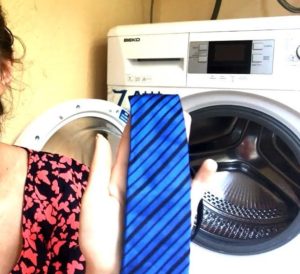 A business attire and formal dress code almost always involve wearing a tie. This accessory is made of delicate materials, but due to its proximity to the face, it often gets dirty. Removing stains from the stripe can be quite challenging, especially without preparation. Many people prefer to wash their ties in the washing machine without further ado. We recommend finding out whether the item can withstand tumble shaking and what washing parameters are appropriate.
Features of automatic washing
Throwing a tie blindly into the drum is a bad idea. To avoid the risk of damaging the item, it's recommended to check the manufacturer's label before any manipulation. The label contains all the recommendations for caring for the item. If the markings are missing, you need to determine the fabric the accessory is made of. If it's a delicate material, such as silk, it's best to avoid machine washing. For synthetics, things are simpler: machine washing is permitted.
It is not recommended to wash a silk tie in a washing machine!
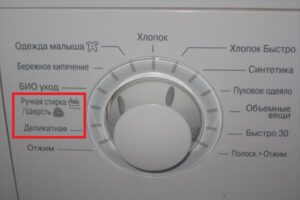
You can wash a synthetic tie in the washing machine, but you need to follow a few rules. First, ensure the items are properly sorted, avoiding washing light, dark, and colored fabrics together. Second, place the item in a special protective bag. If the accessory has stubborn stains, pre-wash the affected areas with soap or treat with a suitable stain remover. Next, set the washing machine: select any quick setting, set the water temperature to 40-60 degrees Celsius, and reduce the spin speed to minimum.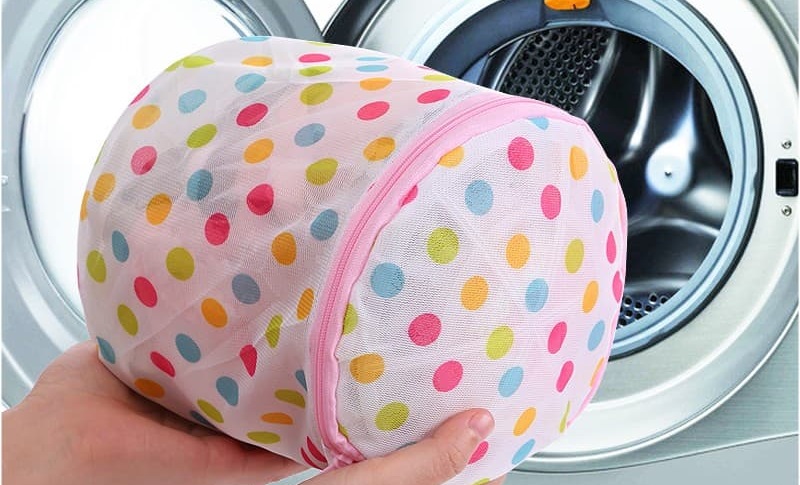
Preparation of the product
Don't be alarmed by the prospect of washing your tie and take it to the dry cleaner. Removing a stain at home is possible, even on a silk garment. The key is to proceed carefully and strictly follow the instructions.
Before any cleaning, the accessory must be prepared. The first step is to check the tag, as mentioned earlier. If the label shows a basin with a hand, the tie is hand-washable; if the symbol is crossed out, the item cannot be washed. The latter option is found in items made from silk.
If the tie label contains an image of a crossed-out basin, the item must not be washed!
But even ties that don't like washing can be spot-cleaned—that is, stain-removal. Apply a gentle stain remover to the stained area: soak a cotton pad or cloth in the solution, apply it to the problem area, and leave for 20-30 minutes. Then, rub the cleaner in, and remove any residue with a damp sponge.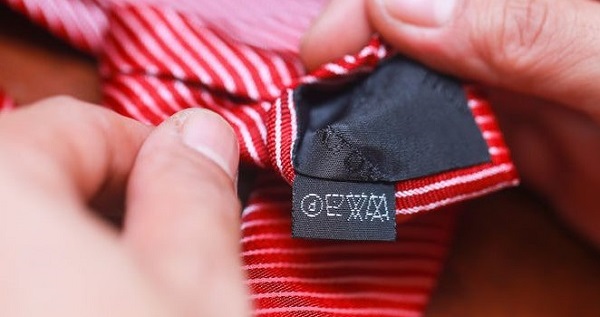
If the stain remover doesn't do the trick, you'll have to take the tie to the dry cleaner or wash it at home. The latter option is simpler and more economical. Secure the fabric with tape-wrapped cardboard, select a detergent, and begin washing.
What to wash with?
When choosing a detergent, you should also follow the manufacturer's recommendations indicated on labelAs a rule, many ties are chlorine-intolerant—this will be indicated by a shaded triangle (or a triangle with the word "CL"). It's also important to check whether they can be bleached.
Ideally, it's best to choose the safest options. These include professional gels and concentrates designed specifically for delicate fabrics. Dry powder detergents are unsuitable—the granules dissolve poorly at low temperatures, penetrate deep into the fabric, and damage the fibers.
Folk cleansers are an excellent alternative. To combat blood stains, it's best to choose ammonia; greasy stains can be removed with dishwashing gel, and stubborn stains can be easily removed with a paste of baking soda, salt, and water.
Removing moisture from the item
We also pay special attention to drying. Ties don't like being spun or twisted. We strongly recommend avoiding the tumble dryer, as artificial drying can cause the fabric to fade and shrink.
Remove moisture from the tie very carefully:
- the product is placed on a clean, dry terry towel;
- the fabric is straightened by hand;
- the tie is covered with the edge of the towel;
- The accessory is gently squeezed.
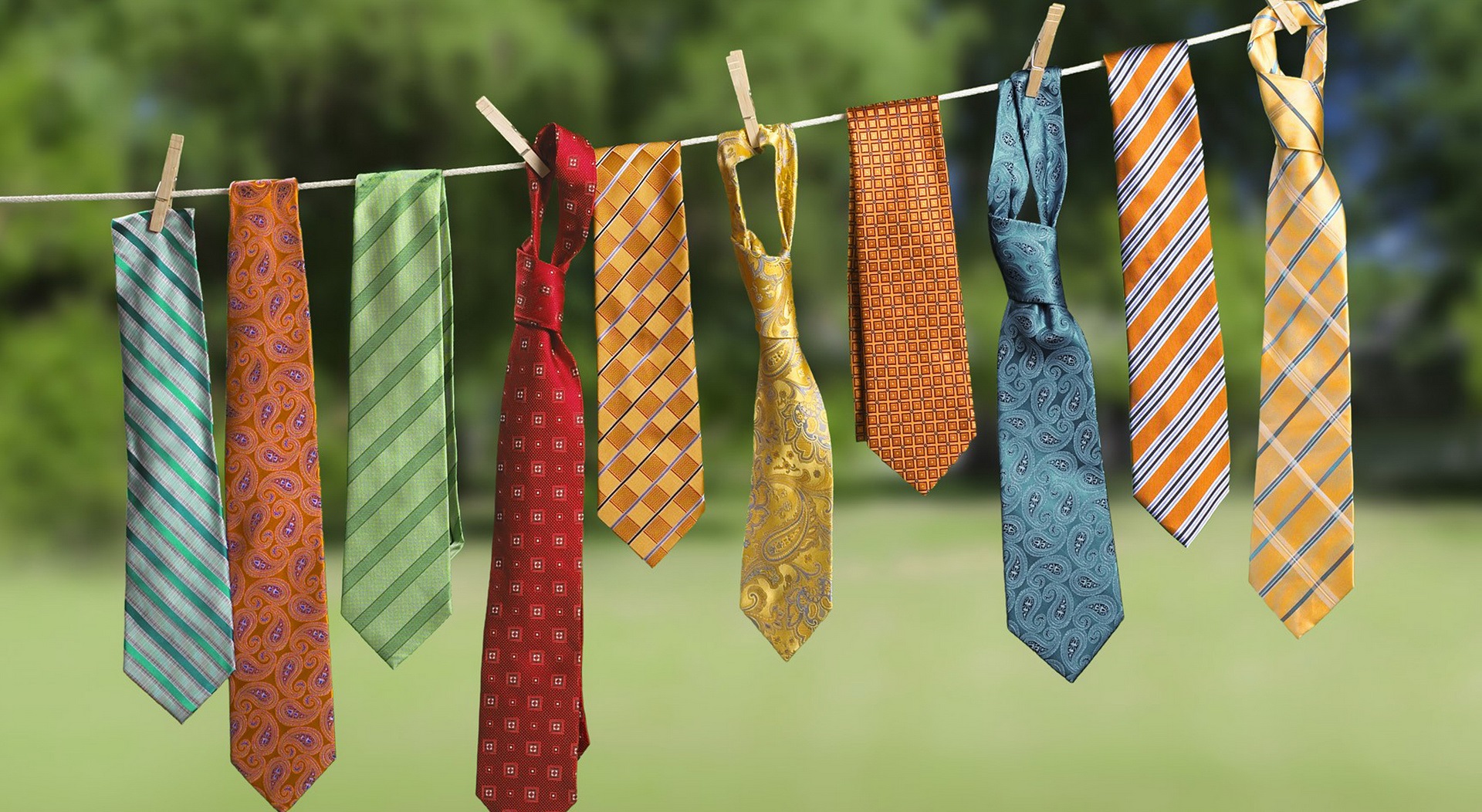
After this spin cycle, hang the tie to dry vertically in a warm, dry place away from heat sources and direct sunlight. Avoid using hair dryers, radiators, tumble dryers, or other artificial drying methods, as this will damage the delicate fabric. However, you can pin the tie to a clothesline.
Do not wring or twist ties, as the product will easily become deformed.
Before drying, be sure to smooth out all folds and creases. If the tie is still wrinkled, you can use an iron. The main thing is not to remove the cardboard “base” when ironing, as it will protect the product from deformation.
Washing a tie at home is easy if you carefully read the label and follow the manufacturer's recommendations. However, if in doubt, it's best to play it safe and take it to a dry cleaner.
Interesting:

Readers' comments
Headings
Washing machine repair




For buyers




For users


Dishwasher




Add a comment