
Washing with laundry soap in a washing machine
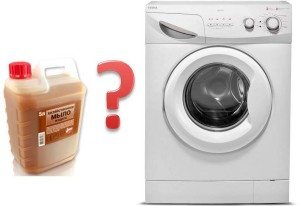
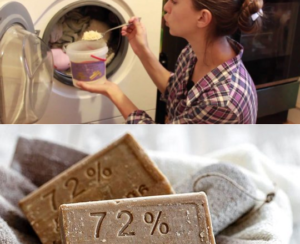 Thanks to low prices, compelling advertising, and flashy packaging, housewives are finding it increasingly difficult to choose the right detergent. Some detergents are suspiciously cheap, others threaten dangerous ingredients, and still others can cause allergies with all the attendant consequences. All this increases distrust of store-bought chemicals and creates a strong desire to return to time-tested "folk" methods. One such method is washing clothes with laundry soap in an automatic washing machine. We suggest exploring how effective this method is and what to do to ensure brilliant results.
Is machine wash possible?
Laundry soap has many advantages over household chemicals. Firstly, it's significantly cheaper than even the most inexpensive detergents. Secondly, it contains no hazardous ingredients, harmful additives, or prohibited substances—it's completely safe. Thirdly, it's completely natural, containing only fatty acids, animal fats, and vegetable oils. Fourthly, there's no need to worry about the environment—everything is easily recycled and environmentally friendly. Another plus is its ability to effectively remove dirt and disinfect laundry.
Pediatricians recommend washing children's clothes with laundry soap.
But many are accustomed to the idea that washing with soap instead of powder is only possible by hand. Fortunately, this is not the case. If the process is organized correctly, there is no need to bend your back over the basin for an hour. Machine washing with "Master's" soap is possible. Unlike other types of soap, it doesn't produce strong suds, which is crucial for a washing machine. Just be sure to use the correct amount when loading woolen items into the drum, as this will increase sudsing.
The disadvantage of soap is that the fatty acids it contains are more difficult to wash out. While synthetic concentrates are easily and quickly removed from items and the internal parts of the washing machine, a laundry soap bar leaves behind a sticky residue. To avoid damaging your machine, be mindful of this characteristic of the product and pay close attention to monitoring and preventative measures.
Machine maintenance after washing with soap
If you plan to occasionally replace regular washing powder with laundry soap, you don't need to worry about damaging the machine. Single cycles won't leave a thick sticky layer, so you can safely wash baby clothes, diapers, and towels with the brown bar. To completely protect your machine, simply run another cycle after finishing the wash cycle, adding a little vinegar and baking soda to the dispenser.
Those who want to completely replace household chemicals with laundry soap will have to take a more serious approach to preventing potential contamination. Careful maintenance and regular cleaning will now be necessary. The nature and extent of cleaning procedures depend on the quality of tap water.
Hard tap water accelerates the formation of plaque and increases the “sticking” of fat to the washing machine parts.
With soft water, no special intervention is required. Simply rinse the machine as frequently as possible: run a "blank" cycle after each wash, plus an additional cycle at the end of use. Regularly wiping down the drum, cuff, and detergent drawer is also recommended. It is important to carefully inspect the inside of the machine for any suspicious deposits or scale. Regular cleaning won't hurt either: once every 3-4 months, run an "empty" program, adding vinegar, citric acid, soda, or a chemical cleaner to the dispenser.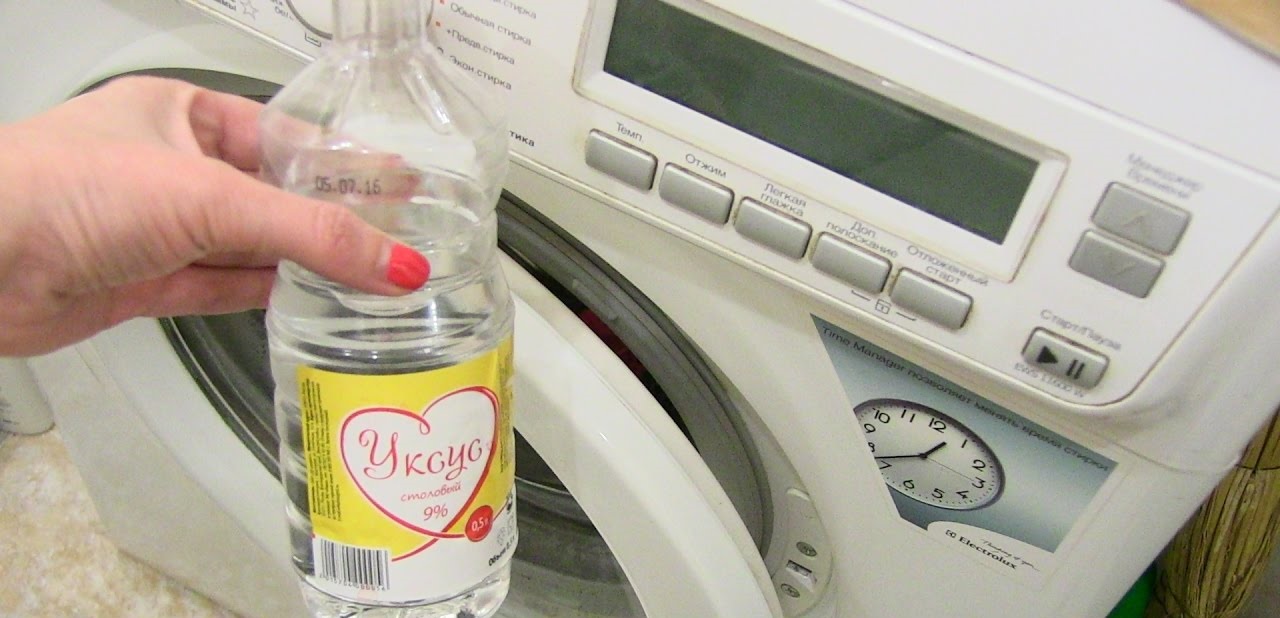
If your water is too hard, the risk of soiling your machine due to the sticky soap increases. This is because the impurities and substances in hard water accelerate the buildup of scale and increase the adhesion of grease to the parts. Preventative cleaning should be performed more frequently – it's best to clean your washing machine every 2-3 weeks.
In any case, it's not difficult to keep your washing machine safe and sound. Years of experience from homemakers show that switching to eco-friendly soap is possible without any unpleasant consequences. The key is to monitor the process, be responsible, and follow the dosage.
Soap preparation and washing
Laundry soap dissolves very slowly, which is significantly inferior to chemical gels and powders. This "obstacle" can be easily overcome: simply prepare the bar for machine washing properly. To do this, we turn to folk remedies.
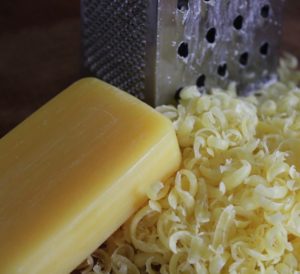
- Shavings. Grate the shavings coarsely and sprinkle them directly onto the laundry in the drum. The amount to add per wash depends on the fabric type of the load. Typically, 1 tablespoon per kilogram of dry laundry is sufficient.
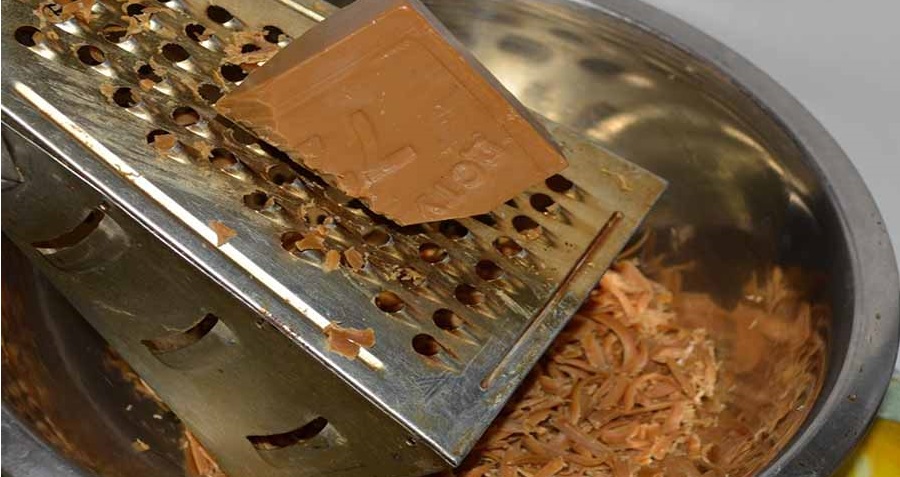
- Washing liquid. Add the previously obtained shavings to boiling water and stir thoroughly. Dilute approximately 50 g per glass of water. Pour the homogeneous mixture into the detergent drawer, in the main wash section.
- Gel (Method 1). Grate a 300-gram bar of soap and pour 2 liters of hot water over the resulting shavings. Blend until smooth, then add 4 tablespoons of sodium carbonate and let cool. Pour the cold solution into an empty bottle and use as needed. The recommended dosage is 100-150 ml for a standard drum load.
- Gel (Method 2). Pour a liter of water into a saucepan and bring to a boil. Then, reduce the heat to low and add the ingredients one at a time: 50 g of crushed soap and a baking soda solution (100 g of powder per 250 ml of water). Stir the mixture thoroughly to avoid lumps and prevent the liquid from boiling again. Stir for about five minutes, remove from heat, and let cool. If desired, add a natural fragrance—3-5 drops of essential oil.
If the soap foams too much, add 1 teaspoon of borax to the washing machine drum.
It's recommended to use the dry mixture only once. Soap particles easily escape from the drum and stick to the heating element and other parts of the washing machine. This leads to overheating and subsequent breakdowns. Liquid forms – solutions, mixtures and gels – are much safer.
Choosing soap
Cleaning performance depends not only on dosage and preparation, but also on the composition of the soap used. To ensure effective cleaning, it's essential to choose a genuine and safe soap. A few helpful tips will help you find the best product.
- Bar soap should contain 65-72% detergent. You can also find formulations with higher concentrations and various additives. These often include oils, glycerin, herbal extracts, and bleaches.
- Liquid laundry soap contains less acids—30-40%. Its lightweight composition and gentle formula mean it requires no prep and can be poured directly into the tray.
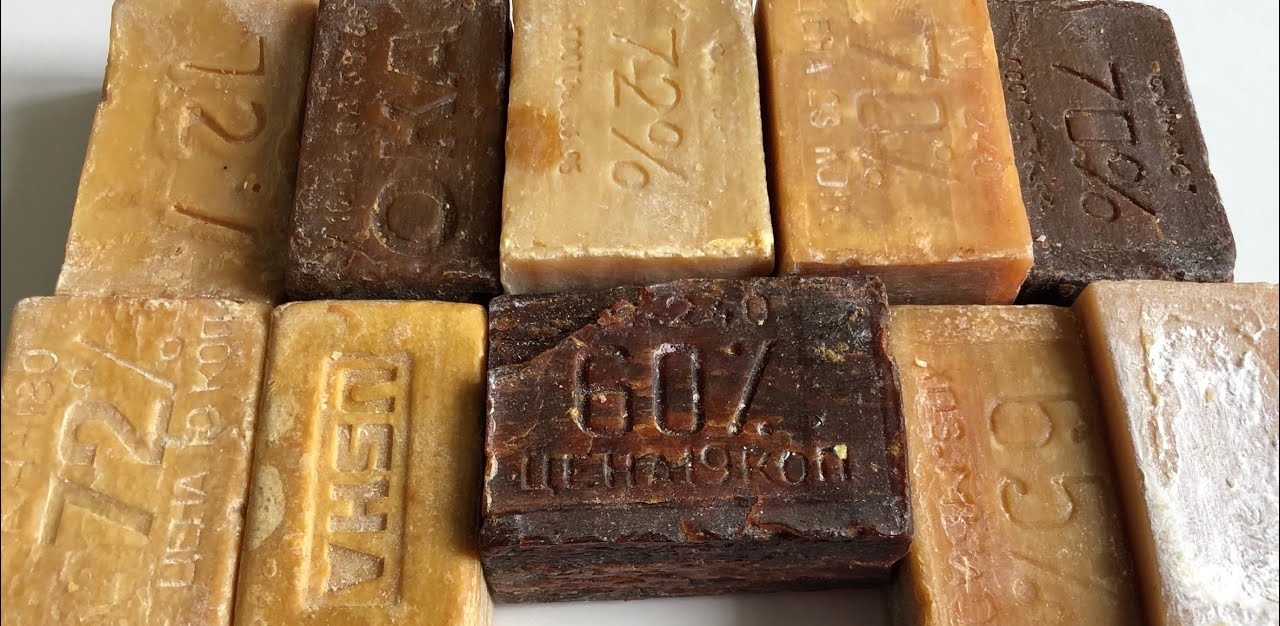
- Soaps with added palm and coconut oils are characterized by low foaming, quick rinsing, and are hypoallergenic. These products are odorless and won't leave a residue on your washing machine.
- Safe alternatives to laundry soap are baby soap and tar soap, which have similar compositions, are hypoallergenic, and have antibacterial properties.
If the soap contains enzymes, it is prohibited to wash silk and wool items with it.
As for the choice of program, everything depends on the items being washed. You just need to remember that laundry soap likes high temperatures. When choosing a delicate mode with water heating up to 30 degrees, the product will dissolve more slowly, so an additional rinse will be required.
Interesting:

3 reader comments
Add a comment
Headings
Washing machine repair




For buyers




For users


Dishwasher




Thank you so much for the review!
Thank you
Thank you very much! Very useful article.