
Washing a sweater
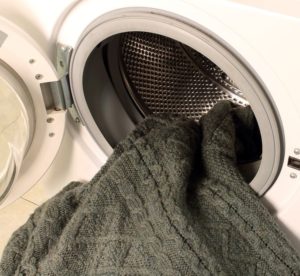
 New clothes always look so good and neat that you want to wear them constantly and enjoy your purchase. However, sooner or later it's time to wash the item, especially if it's a sweater, for example. How to machine wash a sweater so it stays looking like new for a long time, rather than becoming unusable after just one wash.
Getting ready for washing
The first thing you should do before washing is to read the manufacturer's care instructions. These are located on a fabric tag sewn to the inside of the sweater. Washing instructions will largely depend on the type of fiber your sweater is made of. Sweaters can be made of wool, cotton, linen, or synthetic fibers.
The color of the product also matters. White sweaters should not be washed next to colored items, otherwise this will cause the white item to fade and discolor. In addition, from time to time, it is white items that need to be washed with the addition of bleach.
So, first, you need to find out if your sweater is machine washable. Some items specifically state that they are hand wash only. Then, sort the items by color, and then by wash cycle.
If the item is made of wool
Of course, wool itself requires extremely delicate care. However, there is no such thing as a 100% wool garment. Look at the proportions of the composition. If it contains more wool than other fibers, you'll need to hand wash the sweater. If the composition contains more synthetic fibers (acrylic, for example), you can use the delicate cycle on your washing machine.
Here is a list of recommendations for washing and drying a wool sweater.
- If you get a stain on a wool sweater, it is better to soak it in a basin before washing, adding stain remover to the water.
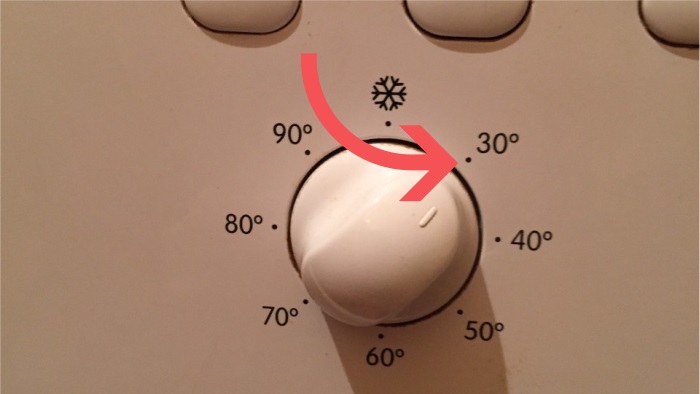
- Woolen items should be soaked and washed at a temperature of 30 degrees.
- To minimize the risk of damage to the fiber, turn the sweater inside out.
- Liquid gels are preferred as cleaning agents. They are just as effective as powders, but they don't leave streaks and are easy to rinse out.
- Don't wring out the item to remove moisture; simply press it down as gently as possible with your hands. If any excess moisture remains, wrap the wet item in a terry towel to absorb any remaining liquid.
- Dry the item flat to prevent it from stretching. To avoid unpleasant odors, dry the item completely.
Important! In addition to the material, the texture of the fabric also affects drying times. For example, knitted items should be hand-washed, even if the threads contain synthetic fibers. To prevent stretching and damage to hand-woven items, do not machine-wash them.
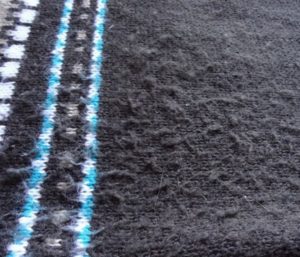
Another common problem when washing wool is pilling. To avoid this unpleasant phenomenon, use detergents designed for delicate fabrics. These will not only help preserve the fabric's appearance but also strengthen the fibers. If you don't have such a solution, you can make your own by mixing baking soda and plain water in a 1:5 ratio.
Angora and cashmere sweaters
Cashmere and angora are very expensive fabrics, renowned for their softness and other qualities. Sometimes washing such items yourself is simply intimidating, as these materials are very finicky. In this case, dry cleaning is the answer. If hand washing at home, use cool water with a mild shampoo solution.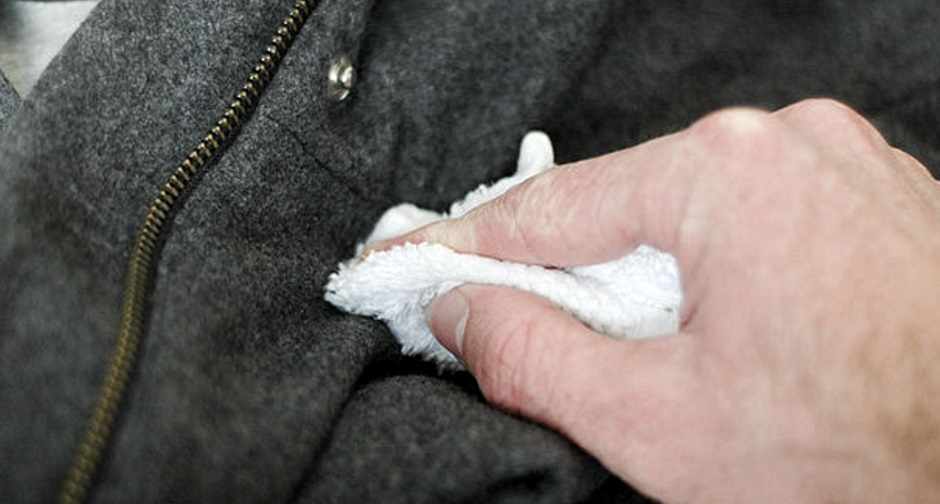
After washing, rinse the sweater in cold water and then lay it flat to dry. If the item has stretched slightly during washing, you can restore its shape by ironing it through cheesecloth at a low heat setting.
Important! Don't pull, twist, or otherwise stress the sweater to a minimum. This will help it retain its presentable appearance longer.
Snow-white blouse
A whitening shampoo will help restore the snow-white color of your sweater. Hand wash the sweater with it, but remember not to use a harsh detergent. Before washing, you can soak the white item in lukewarm water with a little shampoo for delicate fabrics. Many housewives also recommend adding a little lemon juice, which promotes whitening and eliminates unpleasant odors.
When hand washing, it's best to use gloves. They will reduce friction between your hands and clothes and protect your skin from exposure to chemicals. If you wash your clothes properly, they will last much longer and look like new.
Interesting:


Readers' comments
Headings
Washing machine repair




For buyers




For users


Dishwasher




Add a comment