
Washing the "Nest" cocoon
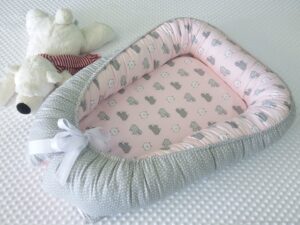 Today, many interesting "useful" products have been invented to help new mothers. For example, the "Nest" cocoon. It's a comfortable mattress for infants. It precisely conforms to the shape of the baby's body, ensuring maximum comfort. How do you properly wash the "Nest" cocoon for a newborn? This is a question parents sooner or later ask themselves. Let's look at how to care for it so it maintains its shape and properties.
Features of cocoon care
Before washing the cocoon, you should clarify what material is used as “filling”. Be sure to read the packaging or label, as it contains basic care instructions for the product. Typically, manufacturers allow both automatic and manual cleaning of the “nest”.
When washing a cocoon, new mothers need to consider the following information:
- If the cover gets dirty, it is better to remove it and wash it separately than to wet the entire “nest”;
- Covers made of synthetic materials can be washed in water heated to a maximum of 60°C, while cotton covers can withstand temperatures up to 90-95°C;
- It is optimal to wash the cocoon completely once every 4 weeks to get rid of the dust accumulated inside;
- Before you start washing, it is important to make sure the product is intact;
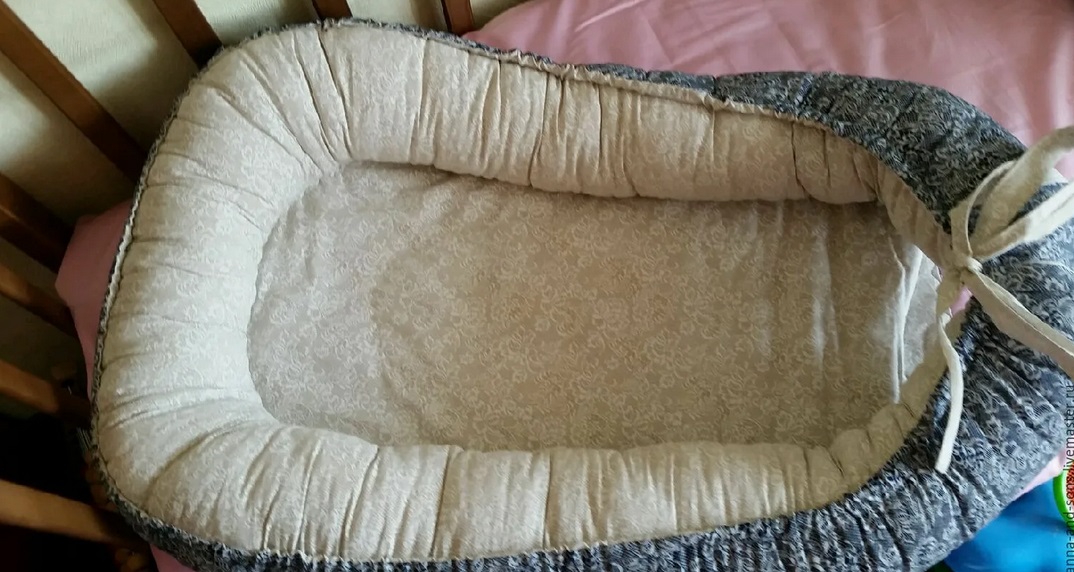
- You cannot wash a mattress that has holes or torn seams; you must first sew up the defects;
- Before washing, be sure to shake the item outside or on the balcony to remove dust.
"Nests" filled with foam rubber can only be washed by hand, while cocoons filled with synthetic fluff or hollow fiber can be loaded into the washing machine.
That's why it's important to know what kind of filling was used in the product. This will determine the appropriate cleaning method. Inexpensive foam cocoons shouldn't be subjected to harsh machine washing, as they will become deformed. Higher-quality products can easily withstand automatic cleaning.
A new cocoon doesn't need to be washed after purchase. Simply iron it or steam it. These "disinfection" measures are quite sufficient.
Let's wash the cocoon in the washing machine
High-quality cocoons filled with hollow fiber or synthetic down are machine washable. To prevent the product from becoming misshapen, follow these guidelines. Before loading the mattress into the washing machine, it is important to secure the tape that holds the mattress in place (to prevent it from stretching). This is done with a couple of stitches without a knot.
The further algorithm of actions will be as follows:
- beat the mattress to shake out the dust;
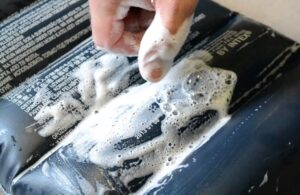
- Wash out stains in advance, if any (for this purpose you can use a soft brush, washing gel or baby shampoo);
- load the mattress into the washing machine drum;
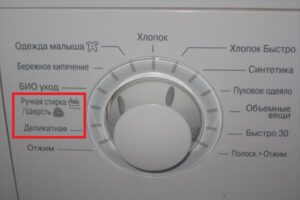
- select the delicate or hand wash option;
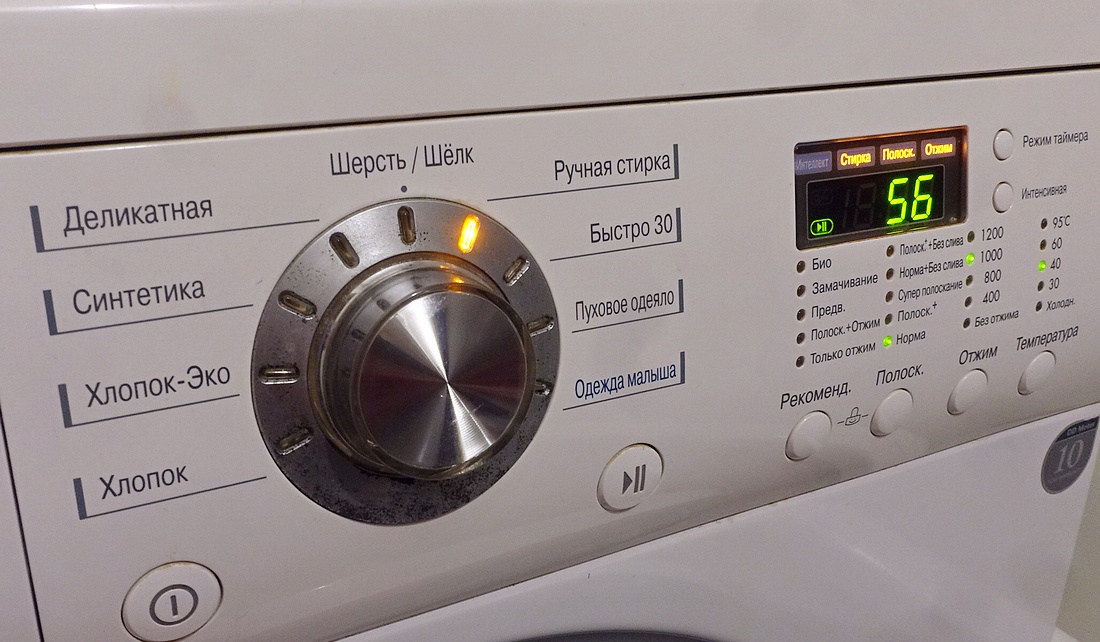
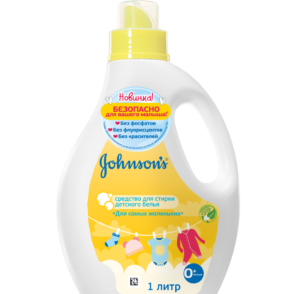
- pour the product into the tray (it is better to give preference to liquid natural compositions without aggressive components);
- start the cycle;
- Wait until the program ends, remove the cocoon from the drum and straighten it out manually.
The water temperature when washing the cocoon should not exceed 30°C, and the spin speed should not exceed 600 rpm.
Next, you can lay the mattress flat in a well-ventilated area. You can also dry the cocoon in the machine. Arrange the "nest" in a circle in the drum. This will prevent the mattress from deforming.
We wash in the traditional way
Hand washing is gentler, making it suitable for items with foam. Not counting the soaking time, the process takes about 15 minutes. The procedure is as follows:
- fill a basin with cool water;
- add cleaning agent, mix well;
- soak the “nest” in a soap solution for half an hour;
- wash away all existing stains;
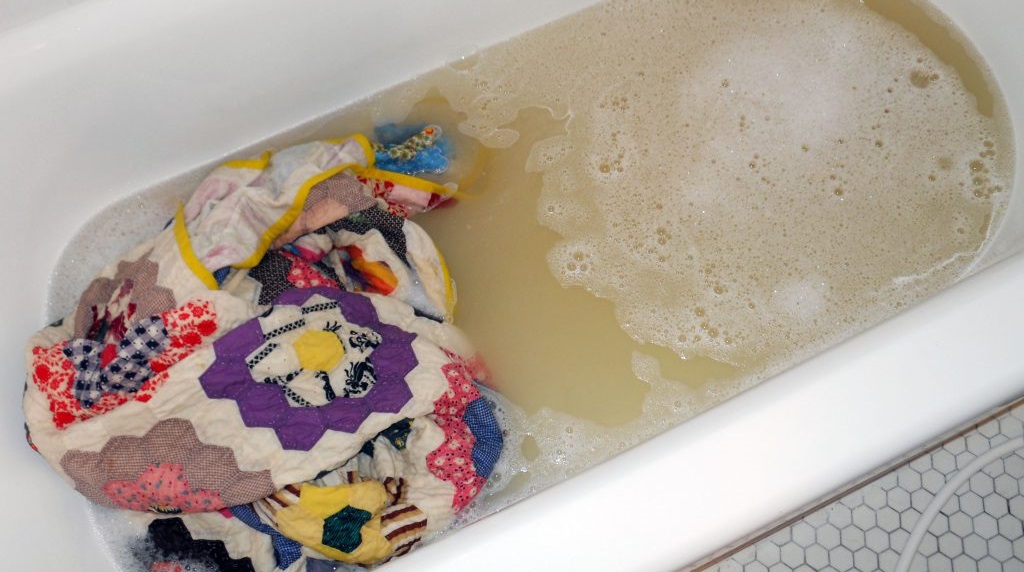
- drain away dirty soapy water;
- fill the basin with clean water, rinse the cocoon (the procedure is repeated until the detergent is completely removed from the material);
- Let the water drain, leaving the cocoon to lie in the bath.
Don't twist the item or try to squeeze it out. This will deform the "nest." You can simply press gently on the cocoon with your hands to help the excess water drain more quickly.
Removing moisture from the cocoon
Dry the cocoon naturally, laying it flat. If you washed it without a spin cycle, it's best to place a towel underneath the "nest" to absorb the water. Once the mattress stops dripping, you can remove the towel from underneath.
Hanging the cocoon is strictly prohibited. The filling will collapse under its own weight, causing the product to become deformed. Therefore, clotheslines are a no-no in this case.
Avoid drying the "nest" on an open balcony or outside. This will attract a lot of dust. Furthermore, there's a high risk of the fabric losing its color due to exposure to ultraviolet light. The best option is to dry the cocoon in a well-ventilated area. Keep the humidity level in the apartment low. At room temperature, the product will dry within 48 hours. During this time, it's recommended to turn it over and fluff it up.
Interesting:



Readers' comments
Headings
Washing machine repair




For buyers




For users


Dishwasher




Add a comment