
Wash compression stockings in the washing machine
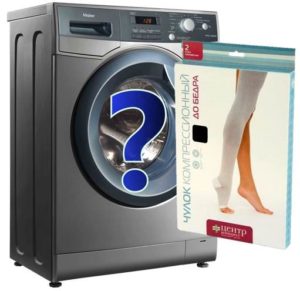 Many conditions require prolonged, almost 24-hour wear of compression garments, such as orthopedic stockings. Naturally, sooner or later the question arises: can compression stockings be machine washed and how should they be dried? After all, the special material and reinforcing threads can lose their healing properties and become completely useless if improperly cleaned. To avoid unnecessary expenses and health problems, it's important to research the stockings issue in advance. Specific recommendations and clear instructions will help.
We use an automatic machine
If stockings are machine-washable, they will be marked accordingly on the manufacturer's label. This is a schematic representation of a basin with the number "30" in the center, which indicates hand and machine washing in cold water. A hand instead of the "30" indicates the item is not suitable for washing in the washing machine, and a crossed-out symbol indicates no water handling is permitted. However, machine washing of orthopedic stockings comes with certain conditions:
- heating water to a maximum of 30-40 degrees – no higher;
- only "Delicate" or "Manual" mode;
- spin is disabled.
Orthopedic stockings, knee-highs and tights should not be wrung out, as the frame threads are easily deformed.
You cannot ignore the above conditions, otherwise “friendship” with the machine gun will lead to irreparable consequences.The fact is that the frame threads that make compression garments effective can be damaged and lose their therapeutic properties even with minimal spinning. Hot water also has a detrimental effect on the texture of medical knitwear.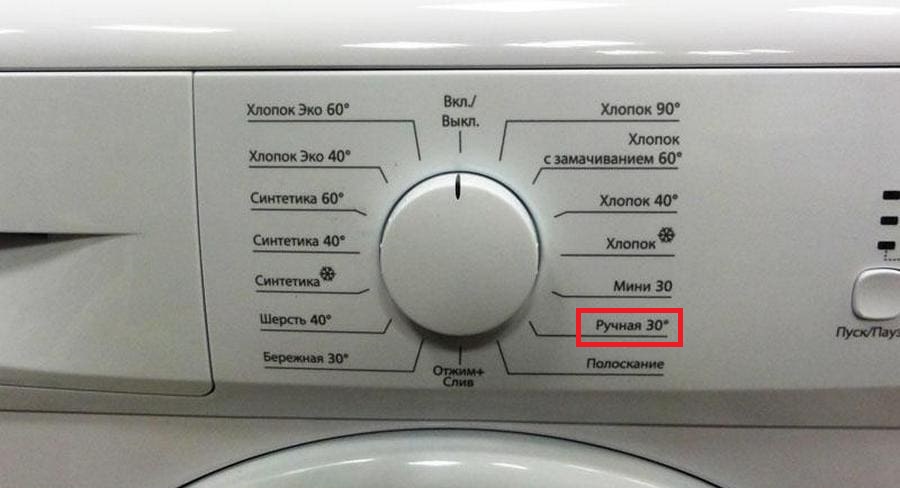
Another caveat: it's recommended to wash orthopedic items separately from regular laundry. However, not everyone agrees to this waste of water and energy, as it's cheaper and more practical to refresh stockings by hand. However, even when hand washing, it's important to remember a few key rules.
Traditional care
Manufacturers of medical stockings allow machine washing of their products. However, it is recommended to use a washing machine only in exceptional cases, and to prefer hand washing for regular cleaning of compression garments. Hand washing minimizes damage to the garments and prolongs their lifespan.
The stockings are washed using the automatic "Delicate" program. The instructions are as follows.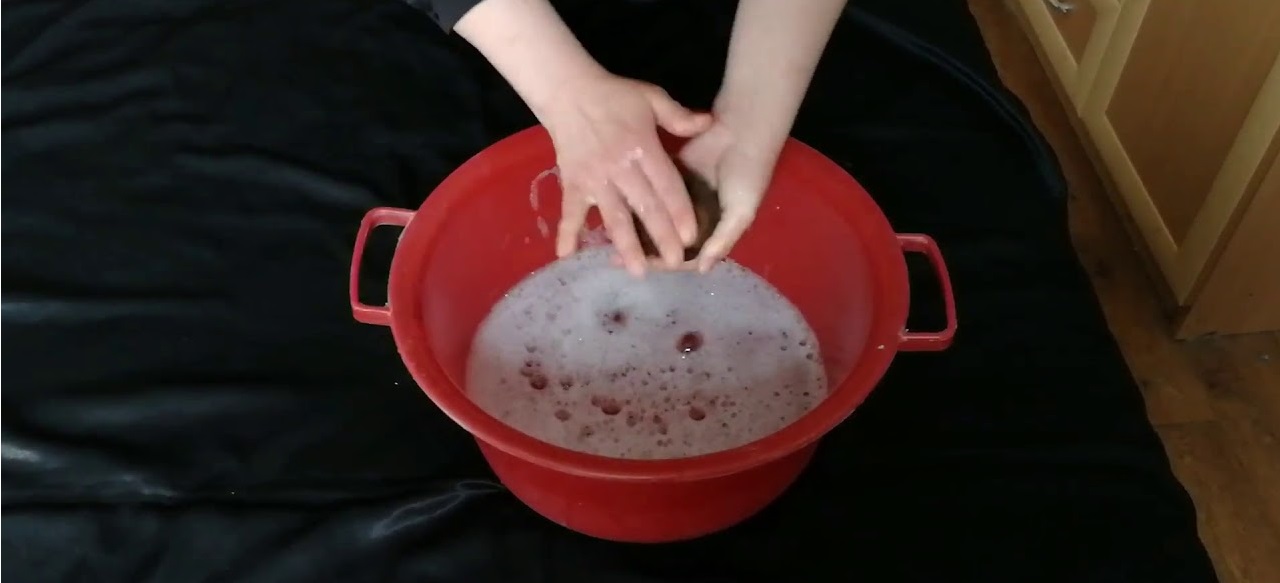
- We fill a basin with water at a temperature of 30-40 degrees.
- We dilute the detergent in water and lather it.
- Place the stockings in the soap solution and soak for 10-15 minutes.
- Afterwards, we carefully wash the items, avoiding deformation (the linen is carefully kneaded without twisting, wringing or applying strong pressure!).
- Rinse in clean water 2-3 times.
Compression underwear is washed in water no hotter than 40 degrees.
All movements should be as smooth and gentle as possible. Wringing, twisting, or vigorously rubbing compression stockings is prohibited, as this will weaken the frame and cause the entire system to collapse. Harsh bleaches, fabric softeners, and fabric softeners will also damage the material. We'll discuss how to wash stockings further.
What powder should I use?
Regular detergent is unlikely to be suitable for compression garments. Medical hosiery requires the softest possible texture, free of chlorine, fatty acids, and other components that could damage the fabric's structure. Ideally, it's best to buy a special detergent for compression garments, which can be found at hardware stores.
If you don't have a special product, choose a suitable option from your existing arsenal. For example, the following are suitable for compression stockings: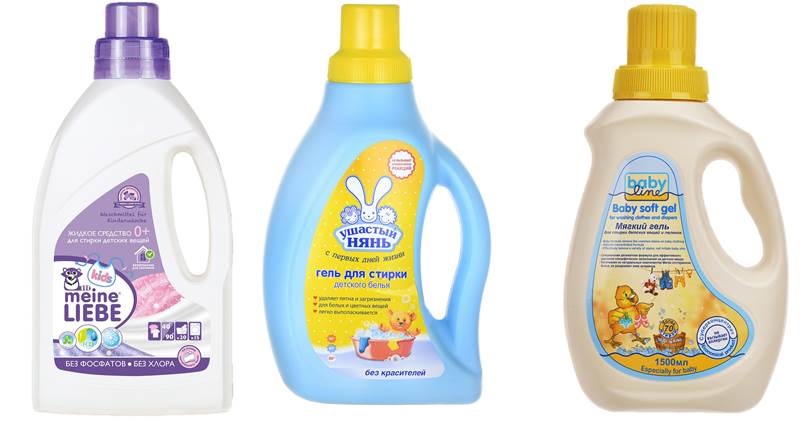
- liquid soap;
- shampoo;
- baby powder or gel;
- product for delicate fabrics.
When washing compression garments, do not use bleaches, fabric softeners, rinses, or chlorine-containing products.
Manufacturers recommend choosing a gel formula: the soft texture penetrates fibers faster, dissolves easily in cold water, and rinses out completely. Powder, on the other hand, often leaves undissolved granules on items, becoming stuck in elastic materials and causing deformation.
Laundry soap is also contraindicated. It contains fatty acids, which are harsh and can damage knitwear. It's better to play it safe and use the specialized products mentioned above. These products are inexpensive, gentle, and, judging by customer reviews, very effective.
Drying stockings
Particular attention should be paid to drying anti-varicose stockings. Dry the items only naturally and in a well-ventilated area – without a tumble dryer, radiators, hair dryer or iron. Avoid exposing the knitwear to direct ultraviolet light.
Compression stockings should only be dried in a horizontal position away from heating devices.
It's also important to remember that hanging stockings is prohibited. When hung to dry, the frame becomes deformed and loses its compression properties. Lay a clean, dry towel on a flat, horizontal surface and place the washed stockings on it. To speed up the drying process, replace the base when it gets wet or use a special absorbent material like microfiber.
What to do if there is silicone woven into the stockings?
If your stockings have silicone inserts for enhanced hold, they need to be washed differently. The problem is that silicone loses its properties when exposed to soapy water or fatty acids: from elastic and resilient to hard and brittle, this leads to a gradual loss of hold and damage to the stockings.
Compression stockings with silicone elastic cannot be machine washed.
To prevent deformation, silicone stockings are cleaned using a special method. First, use rubbing alcohol to soak a cotton swab or piece of cotton. Then, clean all silicone inserts. Typically, this cleaning is required about 2-3 times a week.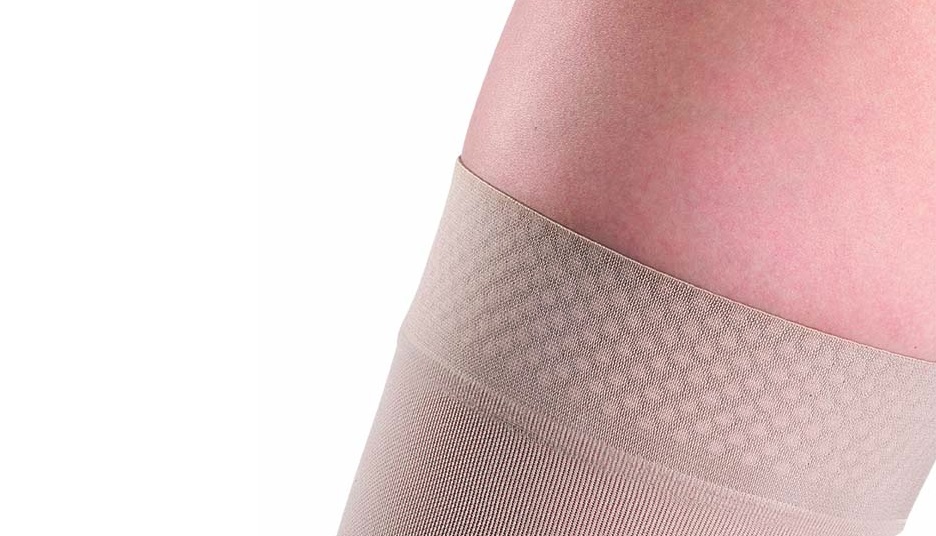
The rest of the socks are washed according to the procedure described above. Only the top section should be protected from water with silicone beforehand: leave a 2-3 cm gap from the insert and tie tightly with a drawstring. If any solution comes into contact with the elastic, remove the liquid as quickly as possible.
Tips for choosing stockings
Proper washing won't ruin a garment if it was originally of high quality. Therefore, it's important to exercise caution and meticulousness even when purchasing compression stockings. Phlebologists recommend paying attention to the following points when choosing compression garments.
- Store. It's best to buy medical hosiery in specialized stores and salons. Other retail outlets sell counterfeit products that offer no therapeutic benefit. Even those products that have the tempting inscription “with the Bauerfeind compression effect” are useless.
- Manufacturer. Keep in mind that world-renowned and trusted brands are higher quality and more reliable. Bauerfeind, Medi, and Sigvaris are companies that are constantly improving compression garment manufacturing technology. They are more expensive, but more effective.
Leading companies in the production of medical compression products are Bauerfeind, Medi and Sigvaris.
- Characteristics. Medical hosiery is rated by compression classes, not the standard DEN.
- Consultation. Before purchasing, please consult your physician about the required compression class and type of garment.
- Size. The effectiveness and longevity of stockings also depend on the correct size, which is determined by four leg measurements. A doctor or in-store consultant can help you understand the correct size range.
- Quantity. Experts recommend purchasing two pairs of underwear at once. This way, there's no need to rush drying—one pair can be washed while the other is worn comfortably.
- Try-on. Before ordering online, we recommend purchasing the item in person to ensure you choose the right size and compression level.
Almost every manufacturer of orthopedic hosiery provides a three-year warranty on the product. However, to preserve its therapeutic properties, it is necessary to properly care for the item and store it in a dry place protected from direct sunlight at a temperature of up to 25 degrees. In practice, everything is simpler: over time, everything becomes a habit and cleaning does not cause any trouble.
What should you keep in mind?
Buying and cleaning compression stockings isn't the only challenge. To avoid damaging your knee-highs, it's important to follow a few rules while wearing them. These include the following recommendations:
Compression stockings must not be ironed or dry cleaned!
- Before putting on, washing and removing stockings, remove all rings and bracelets - do not leave any snags or other damage to the knitwear;
- If worn daily, daily cleaning is recommended (dust and skin particles clog the fibers and create an imbalance in the structure of the underwear);
- Regularly do pedicures and other foot treatments (nails and cracks can damage stockings).
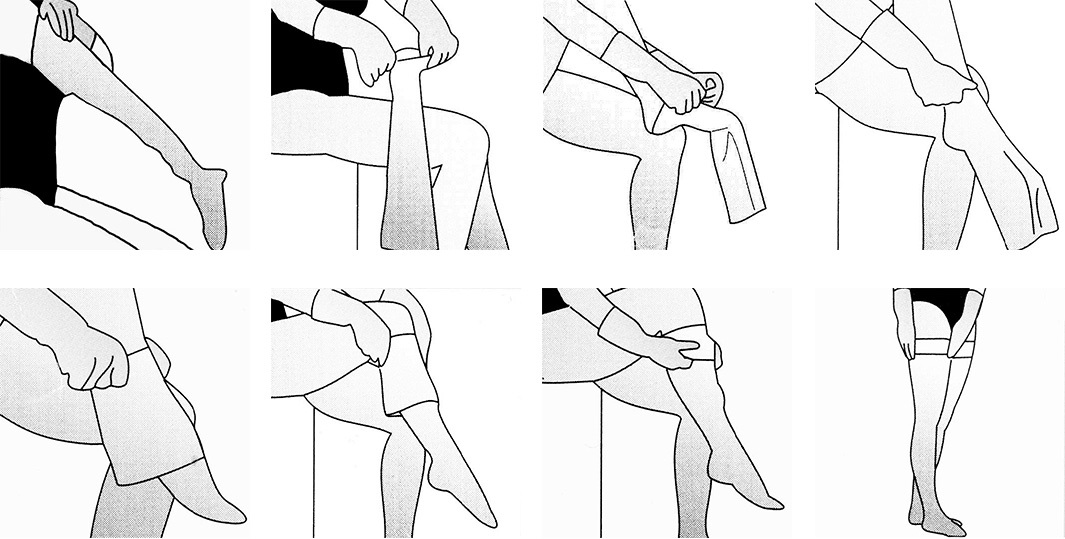
Proper donning of knee-highs is also important. High-compression stockings are very difficult to pull on, as unlike regular tights, they cannot be pulled or bunched. Any such deformations immediately affect the support threads and reduce the medical effectiveness of the product.
It's best to read the instructions carefully before use. Put it on gradually and carefully, consider purchasing special accessories, and don't forget gloves. These will ensure smooth operation and protect against snags.
Interesting:

Readers' comments
Headings
Washing machine repair




For buyers




For users


Dishwasher




Add a comment