
How to wash a swimsuit in a washing machine?
 During a single season, a swimsuit is washed almost every day, and improper cleaning can cause the material to fade and stretch. You can preserve your swimsuit for next year if you learn how to care for it properly. This will ensure the color, shape, and elasticity of the garment will remain intact, even years later. We suggest you explore whether you can machine wash your swimsuit, what detergent to use, and how to dry it. All tips and recommendations are provided below.
Be sure to consider the type of swimsuit
It's recommended to wash your swimsuit after each wear, even if it was used for tanning rather than swimming. This makes sense: it's worn like underwear, comes into contact with your private parts, and absorbs sweat, makeup, sunscreen, self-tanning oils, street dust, and sand particles. When swimming, contamination is greater, as salt, silt, small algae, chlorine or other pool disinfectants get into the fibers. This whole “bouquet” is dangerous for both people and things.
Swimwear should be washed after each wear!
When choosing the type and intensity of washing, it's important to pay attention to the type of swimsuit. This primarily depends on the fabric composition, which determines the intended use of the item. Generally, all swimsuits can be divided into several groups: sportswear, underwire, and microfiber.
- Sports swimsuits. These items are considered the most durable due to their wear-resistant fabric and simple cut. They can be safely machine washed on a delicate cycle or rinsed thoroughly when hand washing. Avoid harsh detergents and choose gentle gels specifically for synthetics. To preserve color and shape, it is recommended to store your swimsuit in a sealed plastic bag.
- Underwired. Almost all swimsuits are labeled "hand wash." However, gentle hand washing is only necessary for underwired bras, as vigorous tumble drying can cause the underwire to come loose and tear the garment.
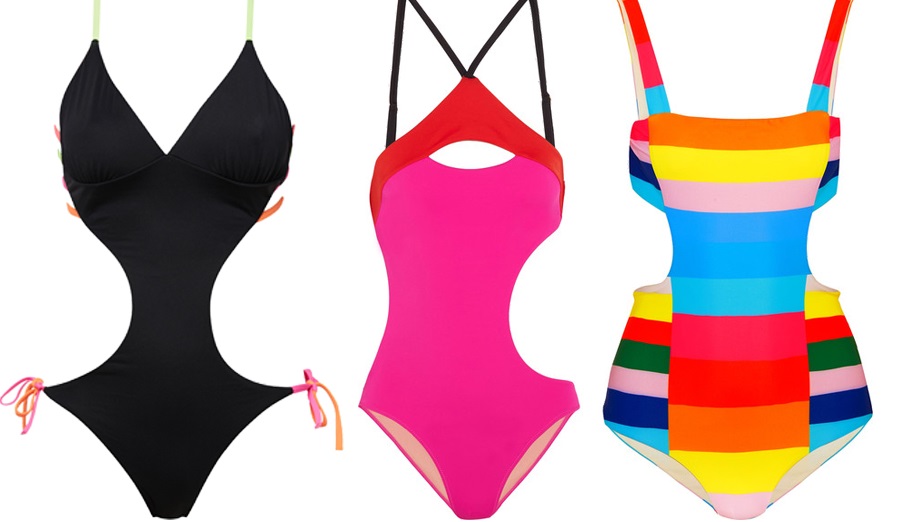
- Microfiber. This swimsuit, crafted from the finest polyamide fibers, is soft, velvety, dries quickly, and is durable. With proper care, it will retain its perfect appearance even after hundreds of washes, without fading or pilling. It's important to wash microfiber separately from other fabrics and use a detergent without bleaches, fabric softeners, or fragrances. The temperature setting is also important: it's recommended not to heat the water above 60 degrees Celsius (140 degrees Fahrenheit).
Other types of swimsuits, including bikinis, bandeaus, and tankinis, made from elastane can be washed like other synthetic items. There are no machine wash restrictions; just keep a few general guidelines in mind.
Is it machine washable?
Swimwear manufacturers insist on hand washing only, making a corresponding note on the product label. But experience shows that such precautions are only necessary for underwire bras: other swimsuits can be safely washed in the washing machine. You just need to remember a few nuances:
- delicate programs are preferred;
- the water heating temperature should not exceed 35 degrees;
- It is better to choose gel detergents for delicate fabrics, since the powder dissolves less well in cold water and remains in the fibers;
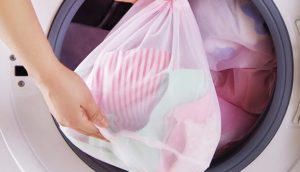
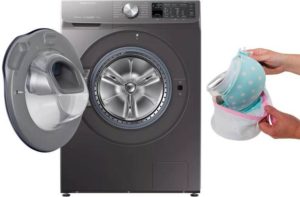
- Before loading, swimsuits are placed in a protective laundry bag or a special bra “clamp”;
- swimsuits are washed separately from other laundry;
- Sorting laundry by color is essential: bright pigments can stain white items;
- Synthetics do not like wringing and twisting - it is better to let the water drain on its own;
- Do not add fabric softeners, as the components they contain are harmful to elastic synthetics;
- You should avoid using automatic drying.
It is recommended to hand wash underwire swimsuits, while other types of bikinis should be machine washed.
Swimsuits dry quickly thanks to the special texture of the fabric, so there's no need for a dryer, radiator, or direct sunlight. Keep in mind that any artificial heat sources will damage synthetic fibers and discolor the garment, especially if it's exposed to direct sunlight for most of the season.
How to save a faded item?
Frequent use, prolonged exposure to the sun, and contact with seawater and sand sooner or later take their toll on a swimsuit's appearance—it loses its original color, fades, or discolors. The situation is further complicated by the fact that the item often becomes partially damaged, developing contrasting stains. You can save your swimsuit with a stain remover and vinegar.
Rinsing in vinegar water will help your swimsuit retain its color longer.
First, find a stain remover suitable for the fabric type. Read the garment label and select the appropriate detergent. Then, soak a thick white cloth in the solution and apply it to the faded area of the swimsuit. Then, wash the swimsuit in diluted detergent and rinse in cold water and vinegar at a ratio of 1 part vinegar to 2 parts vinegar. Vinegar is also recommended for preventative maintenance, adding it to each rinse.
Drying and storage
Drying your swimsuit also follows certain rules. First and foremost, avoid artificial drying using direct sunlight, radiators, hair dryers, or automatic dryers. It is better to let the item dry naturally: hang it on a clothesline or on a hanger in a ventilated, shaded place. There's no point in rushing, as moisture evaporates quickly from elastane and microfiber, and the fabric won't fade or warp in the shade. If there's no way to protect it from UV rays, turn the garment inside out.
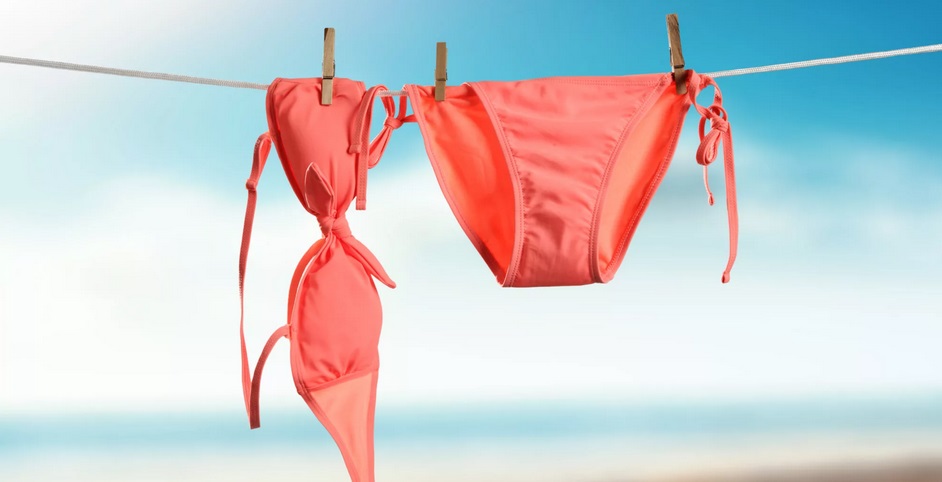
Ideally, for drying push-up and underwire swimsuits, you should purchase special hangers with cup ridges. This will help the bra retain its original shape.
You can't dry swimsuits in direct sunlight - they will fade, discolor, and become discolored.
Sets are stored after they are completely dry. Wet swimsuits should not be left in sealed bags, as prolonged contact with water will damage the item, causing mold and an unpleasant, musty odor. Dry items should be neatly folded and placed in an opaque fabric bag with ventilation holes. Push-up bras are recommended to be stored in special covers to prevent the cups from deforming. A mini-fragrance diffuser would also be a good idea.
Interesting:


Readers' comments
Headings
Washing machine repair




For buyers




For users


Dishwasher




Add a comment