
Washing reusable masks
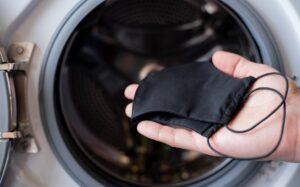 Wearing face masks is a hot topic these days. Some people use disposable ones, while others prefer to save money and wear reusable ones. So, the question arises: how to properly wash reusable masks? How to disinfect and iron them? Everything depends on the material they're made of. Let's find out.
How to care for a reusable mask?
People prefer reusable masks because they can be worn for a long time, simply by washing and ironing them regularly. These masks are made from a variety of materials to protect the respiratory tract. They also come in a variety of designs, shapes, and sizes.
But remember! Any mask can be worn for no more than 2 hours. Therefore, you may need 4 to 5 masks per day, which will need to be washed at the end of the day.
All reusable masks that can be washed come in two types:
- Made from fabric, they can be washed by hand or in the washing machine.
- Made from gauze, these masks can only be hand-washed. Otherwise, the mask will fall apart, lose its integrity, and become unusable.
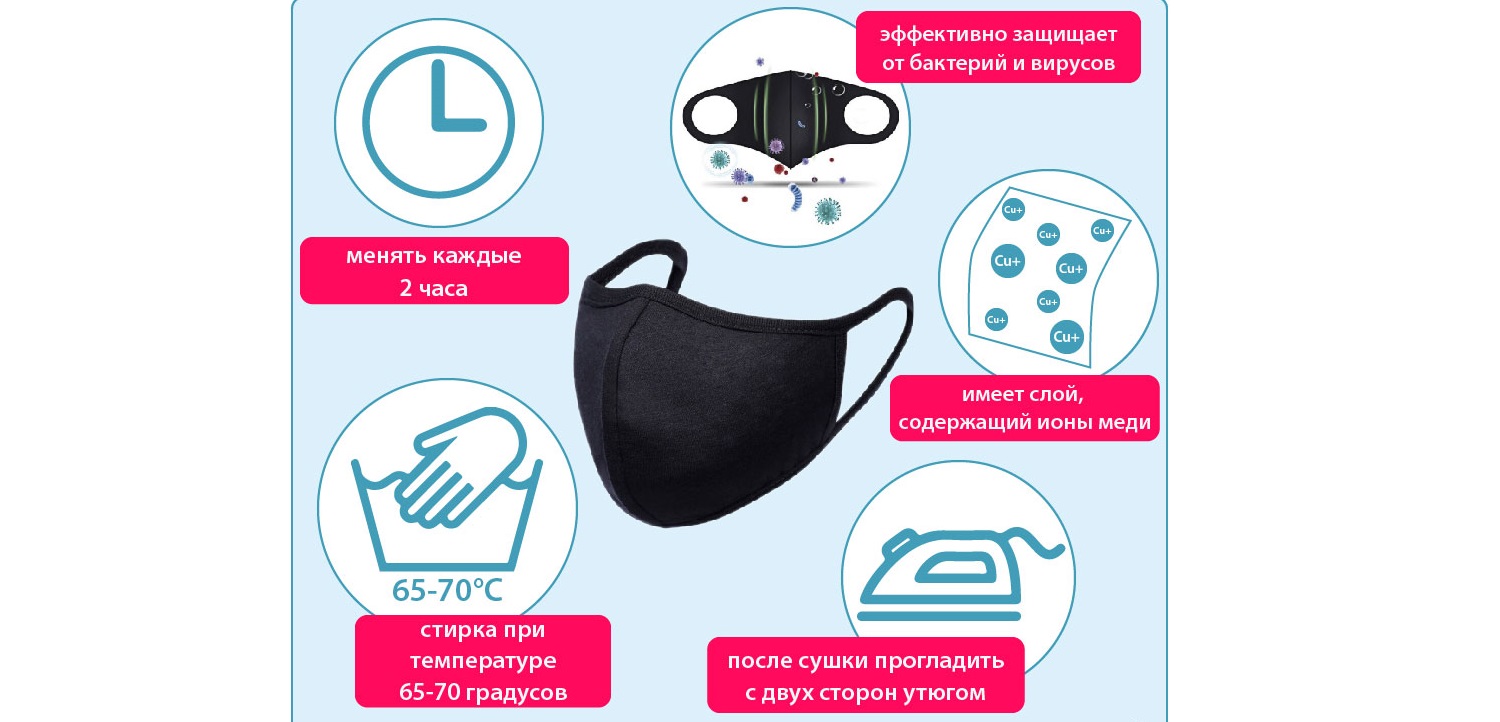
A universal method for washing any mask is to soak it in a disinfectant solution (such as Almadez or MultiDez laundry detergent) for 10 minutes. After soaking, simply rinse the mask under running water and dry it.
Is it permissible to clean a medical mask?
Despite the wide variety of reusable masks, some people wear disposable medical masks. They're inexpensive and readily available at every pharmacy. Yet, some even manage to wash disposable masks, even though this is strictly prohibited! After washing, the mask loses its protective properties and becomes unsuitable for further use.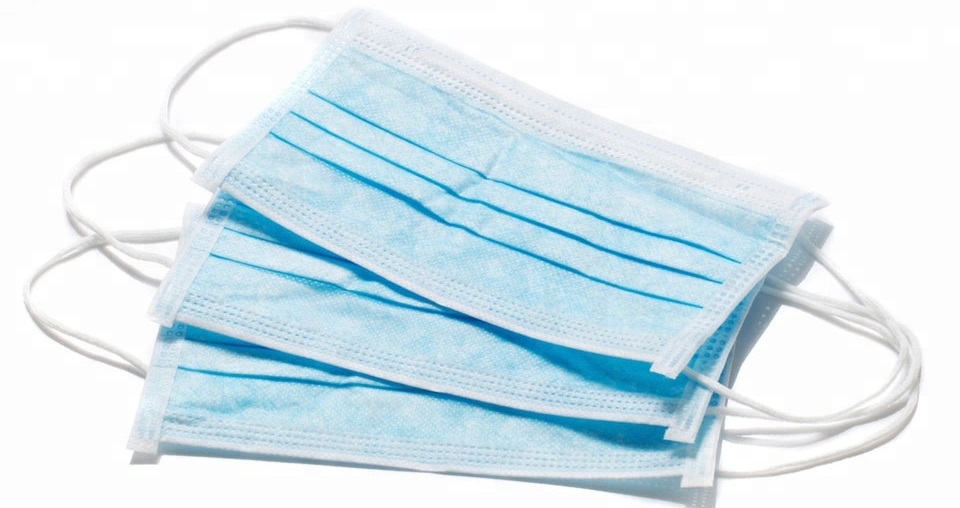
A typical disposable mask is made of a synthetic material called spunbond. It consists of three layers, the third of which is a filter. Spunbond is difficult to clean of dirt and bacteria using soap and water. This material can't even be ironed; it simply deteriorates. Therefore, a disposable mask should be thrown away after wearing it for two hours.
How to wash a mask properly?
How should you wash a protective mask properly? If you change your mask promptly every two hours, simply washing it with hot water and laundry soap may be sufficient to remove bacteria. You can also use a washing gel or powder, preferably fragrance-free. Wearing masks with a scent of detergent or other chemicals throughout the day is unlikely to be enjoyable.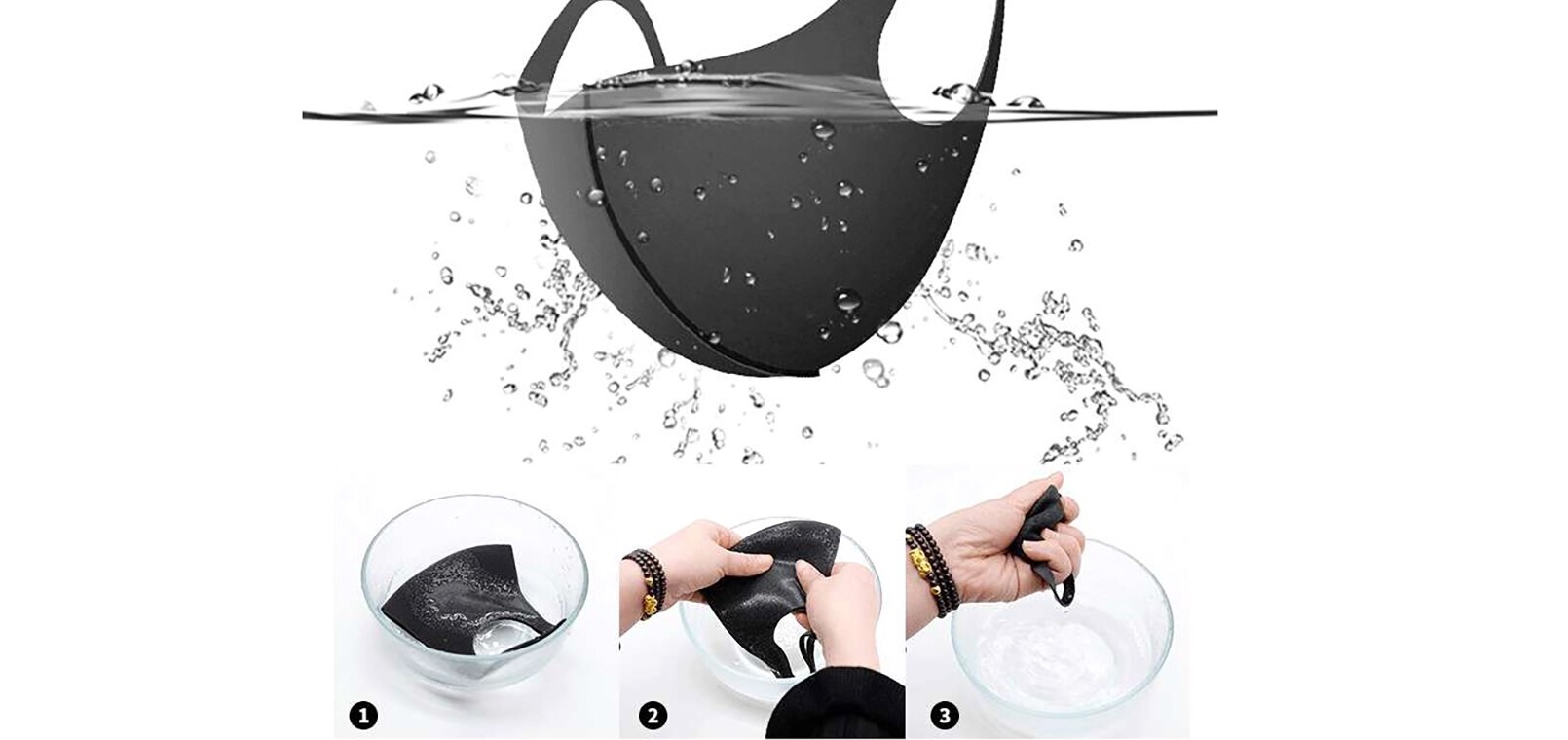
Masks should be washed only in hot water. For hand washing, heat the water to 60 degrees Celsius (140 degrees Fahrenheit) or higher. For machine washing, use a long cycle at a high temperature. Boiling the item is effective in combating germs and viruses. But reusable masks with rhinestones must be washed by hand only.
How many times can you machine-wash or hand-wash protective masks, you might ask? It all depends on the condition of your mask. If, after prolonged wear and washing, the elastic has stretched and the mask doesn't cover your face properly, then it's definitely time to throw it away. How often should you clean and wash it? Just wear it for two hours – put on a clean one, and wash all worn masks at the end of the day. There are no other options.
Drying and treatment with a disinfectant
Reusable masks can be dried in any way. Drying them on a hot radiator is permitted. They can also be dried in the sun, as it provides a source of ultraviolet light, which disinfects. After drying, you can iron the mask with a hot iron.
However, ironing a worn mask without washing it first is not recommended. This procedure won't completely kill bacteria, and some materials shouldn't be ironed at high temperatures. Cleaning or treating the mask with antiseptics is also not recommended, as this doesn't provide 100% results. Sterilization under UV lamps, however, is a different matter; this procedure is especially suitable for masks that can't withstand high-temperature washing.
Remember that neglecting the rules for using disposable and reusable masks increases your risk of getting sick. Fabrics accumulate a huge number of bacteria, which can enter your respiratory tract. Be sensible!
Interesting:


Readers' comments
Headings
Washing machine repair




For buyers




For users


Dishwasher




Add a comment