
Washing a tracksuit in a washing machine
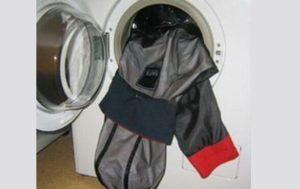 With regular exercise, sportswear quickly becomes dirty: a persistent sweat odor, yellow stains, and other stains appear. The situation is further complicated by the specific fabric, as sportswear is often made of certain synthetic materials. Sportswear made of polyester, lycra, membrane, and nylon can lose breathability, shape, and elasticity if improperly cleaned.
To remove stains and avoid damaging the garment, you need to know how to machine-wash or hand-wash a tracksuit jacket and what detergents to use. This detailed instruction will help you figure it out.
Basic recommendations for caring for a tracksuit
It is impossible to say definitively how to wash a tracksuit. Final recommendations depend on the degree of contamination, type and color of the fabric of the product – each material and shade requires special care. Typically, some care information is provided by the manufacturer on the label.
There are several general recommendations for caring for sportswear:
- wash tracksuits separately from other items;
- use special protective bags (they will prevent pilling and scratches);
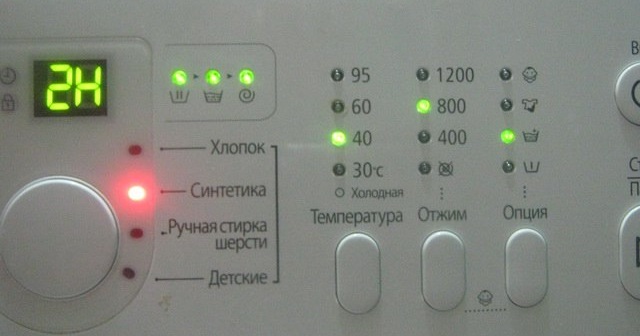
- do not heat water above 40 degrees;
- add only liquid detergents (powder dissolves worse and “gets stuck” in the fabric fibers);
- refuse conditioners and rinses (“breathable” fabric does not like them);
- Do not bleach;
- avoid artificial drying;
- select medium spin speed.
After training, the tracksuit should be washed within 24 hours, dried and aired at least.
It's recommended to wash your sweatshirt regularly. Ideally, you should clean it after every workout—within 24 hours of running or physical activity. Otherwise, sweat will penetrate deep into the fibers, making it more difficult to remove yellow stains and unpleasant odors. High-tech fabrics are resistant to repeated washing, but strong bleaches can damage them. It's best to avoid letting things get worse and instead keep your sweatshirt clean.
Which washing method should I choose?
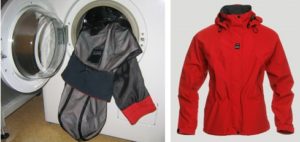
Most sportswear is machine washable. If the manufacturer's tag doesn't indicate "Hand Wash," it's safe to put in the washing machine. Just follow a few rules:
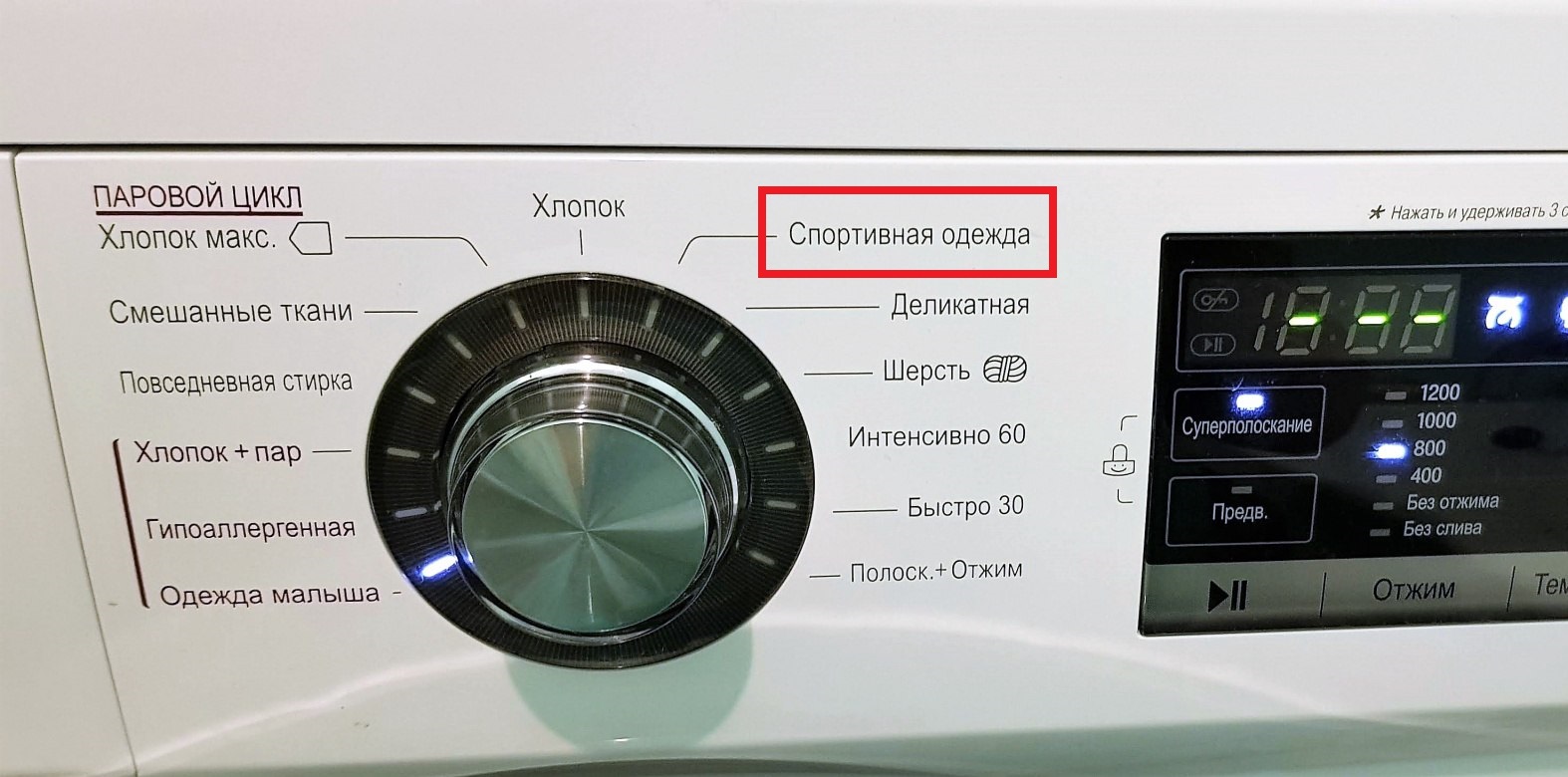
- select a special program “Sport” or “Sportswear” (if there are none, then the fastest mode will do);
- set two or more rinses;
- carefully check the pockets of the sweatshirt;
Before washing your tracksuit, carefully read the care label—the manufacturer provides care instructions on the label!
- fasten all zippers, rivets and buttons;
- turn inside out (including the sleeves);
- adjust the heating temperature and spin speed, following the manufacturer’s recommendations;
- Avoid using bleaches and fabric softeners.
Using mesh laundry bags will protect your tracksuit from snags and abrasions. It will also protect the drum, which is often damaged by clothing fittings and embellishments. To prevent metal elements from scratching the container, turn the clothes inside out and place them in a "net".
Can it be soaked?
Soaking can help combat strong sweat odor. Almost all tracksuit tops made of polyester, lycra, nylon, and polyamide can withstand prolonged soaking in water. Just follow these instructions:
- fill a basin with cold water;
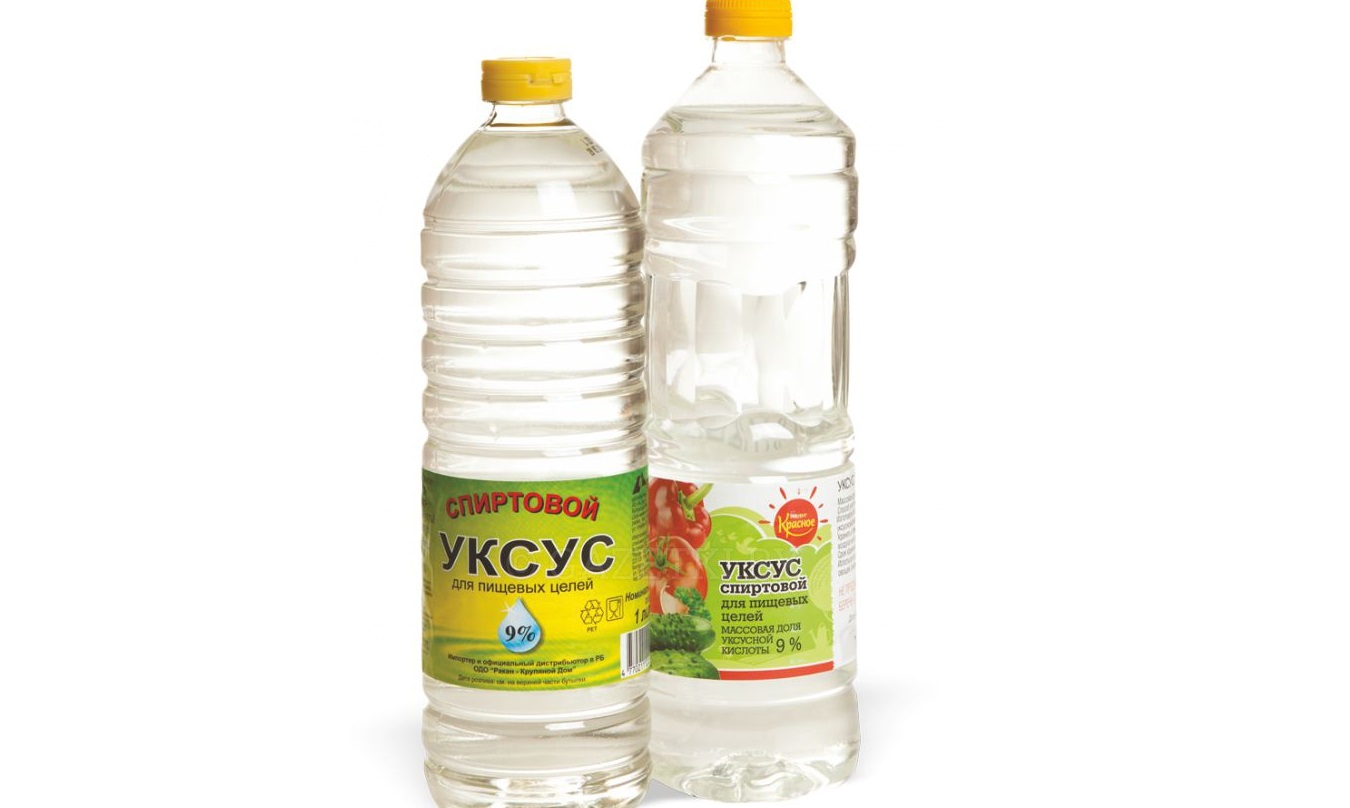
- dissolve white vinegar in water (in a ratio of 1 to 4);
- immerse the suit in the resulting solution;
- wait 30-40 minutes;
- rinse in warm water;
- If necessary, continue cleaning.
A thirty-minute soak in a cold vinegar solution will help neutralize strong sweat odor!
You can also soak your sweatshirt in the washing machine. However, before starting the cycle, check the temperature setting: it should be below 40 degrees Celsius. The optimal soaking time is half an hour.
What means to use?
To effectively and gently wash sportswear, you need to use liquid detergents. Laundry detergent dissolves poorly in cold water on a rapid cycle, leaving granules stuck in the fabric, in seams and membrane pores. Even several rinses fail to remove all the chemicals. As a result, the garment becomes covered in white spots after drying, and the user suffers from skin irritation and allergic reactions.
Gel-based detergents work differently. Unlike powders, they dissolve more quickly in both cold and hot water. Even better, their ingredients rinse completely from the fabric. Stain removal is also easy: the gel cleans effectively without damaging reflective elements and preserving the garment's original color. The key is to choose a proven and safe concentrate. Several brands offer these.
- Laska "Active & Fresh." An affordable, domestic product designed specifically for sportswear. It gently removes stains and leaves behind a pleasant, fresh scent. The active formula cares for membrane fabric, maintaining its breathability and smoothness, while increasing its resistance to moisture and dust.
- Tarrago Hightech Performance Wash+. An ideal choice for tracksuits made from waterproof and breathable fabrics. In addition to removing stains and neutralizing odors, it also restores moisture protection and improves the porosity of the material.
- Dalli Fresh&Clean. A universal concentrate boasting effective cleaning, a pleasant scent, and economical use. However, it's difficult to find in chain stores—you can only order it online.
- Salton Sport. This shampoo is designed for cleaning jackets with weatherproof membranes. Its special formula gently removes dirt without damaging the fabric's structure.
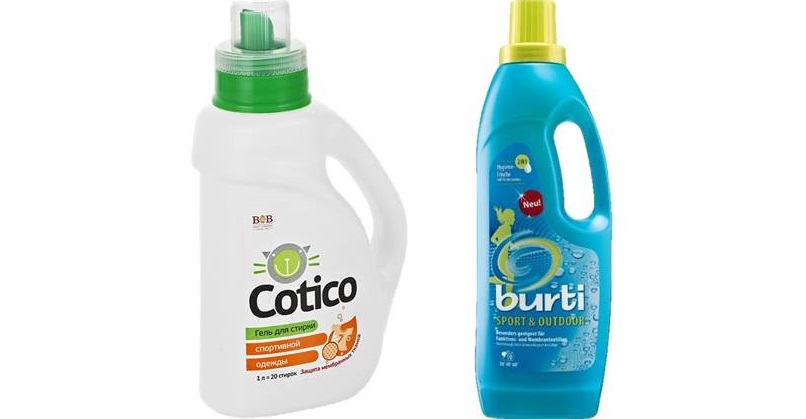
To clean tracksuits, we use special products for sportswear – gels from brands like Tarrago, Laska, Dalli, Salton, Cotico, and Burti.
- The brand offers a line of concentrated gels for washing sportswear made of neoprene, microfiber, membrane, and polyester. Effective in cold water, economical use, and gentle on fibers.Contains only natural surfactants and potassium soap: no phosphates, bleaches, or fragrances.
- Burti Sport&Outdoor. A German-made, all-purpose product based on keratin and silk protein. It works at low temperatures, dissolves quickly, rinses out easily, is suitable for all fabric types, and has a softening effect. Its special formula restores fibers from the inside out, restoring their original elasticity. The gel also cares for your washing machine, protecting it from limescale buildup.
Fabric softeners should not be used when cleaning sweatpants, as they impair the fabric's porosity, moisture wicking, and heat regulation. As a result, the material loses its elasticity and resistance to water, wind, and dust. Instead of fabric softener, it is recommended to add white vinegar to the washing machine: approximately 100 ml per cycle.
If an unpleasant odor persists after washing, you can neutralize it with a special spray called "The Laundress Sport Spray." This antibacterial product kills and removes any remaining sweat particles from the fibers. Simply spray the odor-producing areas of the sweatshirt—under the arms, on the back, and around the neck. The cleaner has a strong and repulsive scent, but after a few minutes, the fragrance dissipates, along with the initial "aroma."
In addition to detergents and odor neutralizers, it's recommended to use water-repellent treatments. For example, "Tarrago Hightech Nano Protector," "Tarrago Trekking Water Protector," and "Tarrago Trekking Oil Protector." These treatments give tracksuits the properties of membrane fabrics, making them convenient for running: you can continue training in rain or snow. The treatment also has a positive effect on the garments themselves, extending their lifespan.
How to dry correctly?
Sportswear needs to be not only washed properly, but also dried. First of all, it is recommended to avoid artificial drying: the membrane “does not like” high temperatures. After tumble drying or drying on a radiator, the suit will lose its elasticity and breathability.
Dry the sports jacket naturally – machine drying has a negative effect on the fabric!
It's better to take your time and choose natural drying: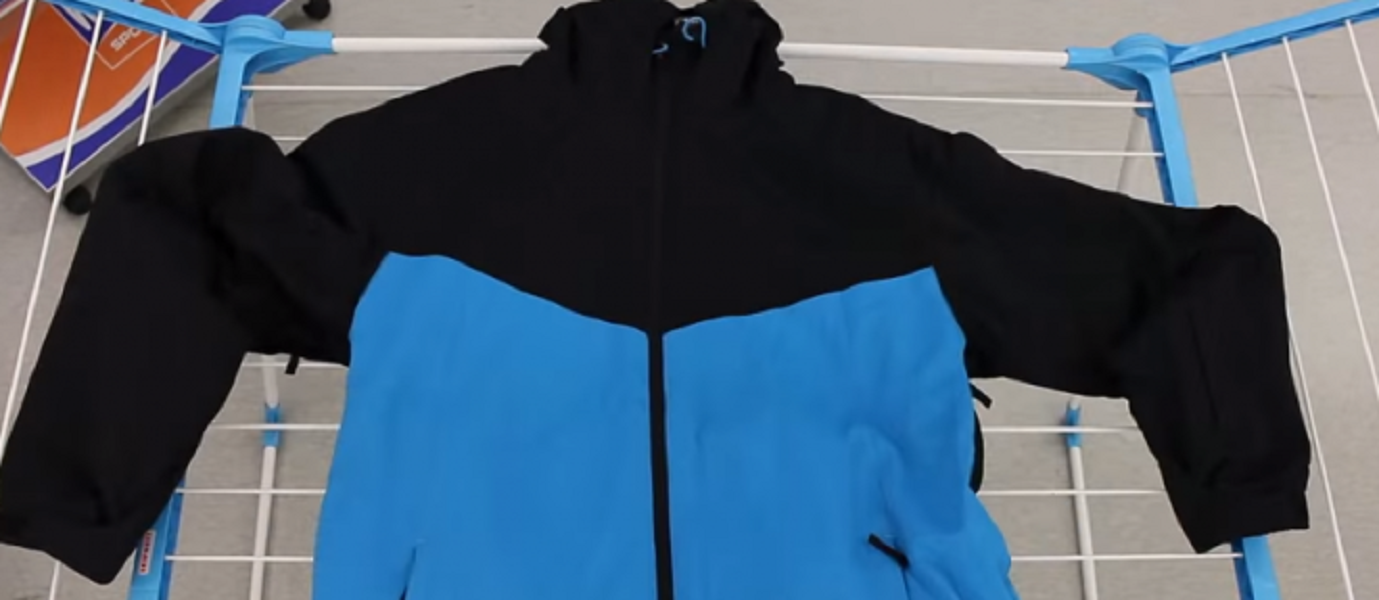
- find a ventilated and shaded area (a balcony is ideal);
- shake something;
- lay the jacket out to dry or hang it on a clothesline;
- wait until it dries completely (you won’t have to wait long – synthetics dry quickly).
If necessary, the tracksuit can be ironed. Iron only on the lowest heat setting and from the inside out. A damp lining, such as gauze or a cotton diaper, is essential.
Interesting:


Readers' comments
Headings
Washing machine repair




For buyers




For users


Dishwasher




Add a comment