
Machine washing organza
 It's best not to experiment with thin and delicate materials. Lightweight fabrics with embroidery, sequins, printed patterns, or photo prints can fade or be permanently damaged by high temperatures or improperly selected detergent. Therefore, before washing organza in the washing machine, it's important to understand the proper procedure. There is only one set of instructions, and we'll share them below.
Preparing for the process
First, you need to prepare: choose a safe detergent and load the curtains into the drum correctly. First, decide on a detergent, immediately rejecting all universal options – you need a gentle, low-foaming formula. Ideally, you should pay attention to liquid gels designed for delicate items without chemical bleaches, chlorine, or conditioning agents. Otherwise, the lightweight fabric will immediately turn yellow and lose its attractive appearance.
To wash organza, you need a delicate, gel-like detergent.
Next, we turn to the curtains themselves. First, carefully remove the fabric from the curtain rod. Then, shake it out outside or on the balcony to remove any accumulated dust. Don't rush loading the curtain rods; it's best to soak the organza for 20-30 minutes in clean, cold water with a small amount of detergent.
Description of automatic washing
Remember that an automatic washing machine can be harsh on fabrics if not used properly, especially when washing delicate fabrics like organza. To avoid problems, follow these guidelines.
- Protect the delicate fabric with a special laundry bag. You can buy one at hardware stores, make one yourself from a piece of gauze, or use a regular pillowcase as an alternative.
- Strictly adhere to the prescribed dosage of powder. Do not apply more than the prescribed amount, as this will increase foaming.
- Set the "Delicates" or "Hand Wash" cycle. If your washing machine has these programs, press the buttons immediately—the system has already preset the settings based on your fabric type. If there are no special cycles, you'll need to set the values yourself: a temperature of up to 30 degrees Celsius and a minimum spin speed.
- Enable an extra rinse cycle to avoid streaks and poor detergent removal from the fabric.
- Remove the curtains carefully.
- Do not wring by hand; let the curtains air dry. Hang them damp on a bathroom rod or directly on a curtain rod.
If you follow the instructions, there will be no need to iron further. The main thing is to ensure free air flow in the room by opening a window to the outside. Remember that tulle is thin and will dry in a matter of hours.
Traditional care for organza
Despite its simplicity, washing in a washing machine remains somewhat risky. It's much safer to use the traditional method and refresh organza tulle by hand washing. But be prepared for the time and effort required to achieve perfect results. Hand washing organza typically involves three stages.
- Soaking. We've already mentioned this, as briefly soaking the tulle in water before machine washing is also a good idea. However, the duration of the procedure and the type of solution prepared depend on the degree of soiling of the fabric. A standard solution of salt and detergent is often sufficient. Fill the bathtub with water at 30-35 degrees Celsius, add a few cups of salt and a small amount of delicate detergent, and let it soak for 3-4 hours. During this time, the salt particles will remove the yellowing of the material and impart a shine and gloss. If you need to clean kitchen curtains saturated with grease, dirt, and grime, you'll need to enhance the solution with dishwashing liquid or baking soda.
- Washing. Organza curtains can be washed with minimal force. Furthermore, simply kneading the item with your hands is sufficient, ensuring the cleaning agent penetrates the fabric freely. There's no need to transfer the tulle to a different water solution; you can simply add vinegar to the solution to enhance the material's shine.
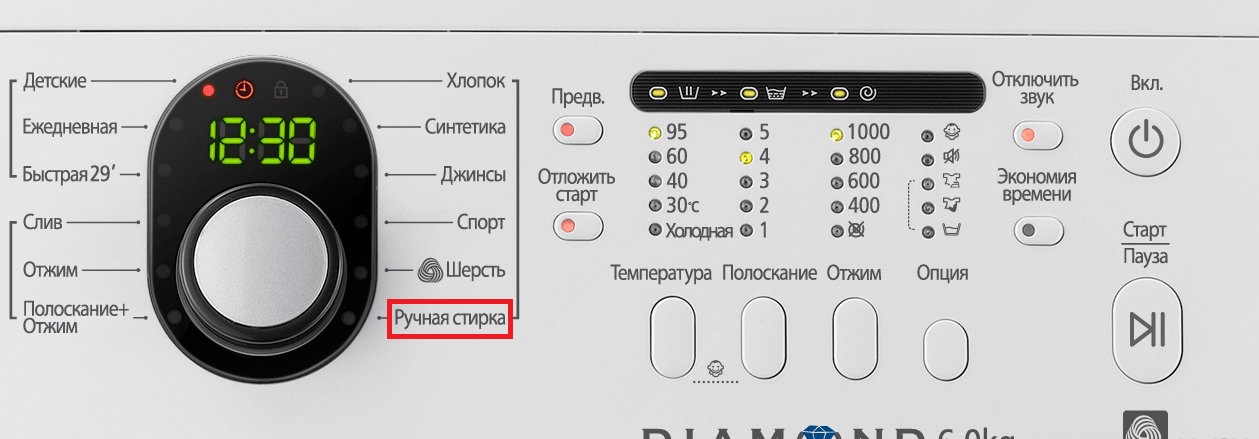
It is strictly forbidden to twist, rub or wring organza!
- Rinsing. Rinsing is also done on a gentle cycle. Simply drain the old water, fill the bathtub with cold water, and gently rinse the tulle, repeating these steps until the water runs clear. It's recommended to add a small amount of bluing agent during the final rinse to help restore the fabric's original freshness.
You can refresh organza in an automatic washing machine, but hand washing is the best solution. By controlling the pressure and temperature of the water, you can maximally protect the material from destruction and damage, thanks to which the curtains will last much longer.But the absence of risks will come at a cost in terms of personal effort and time.
Tips for removing stains
Because lightweight organza curtains are often hung in the kitchen, they sometimes have to deal with heavy soiling. Stubborn grease or soot stains cannot be removed with detergent alone; high-quality bleaching is required. However, using a standard stain remover is strictly prohibited, as the delicate structure of the fabric is easily damaged and destroyed.
However, this does not mean that the soiled tulle will have to be thrown away. Experienced housewives have developed a special composition of folk remedies for delicate fabrics that can gently and effectively remove even stubborn stains. It is enough to mix four tablespoons of acetic acid, a few drops of ammonia and a spoonful of salt.
Apply the solution directly to the stained areas before soaking. Wet the stains with soapy water, treat with stain remover, and leave for 5-7 minutes. Do not exceed the recommended time, as even a 10-minute delay can cause deformation of the fabric structure.
The nuances of whitening
If dust and dirt have damaged not just individual sections of the fabric, but the entire tulle has turned yellow or gray, bleaching is necessary. Similar to stain removers, using a universal bleach is obviously too risky. It's best to turn to folk remedies again. Four "bleaches" are considered safe and effective in combating graying and yellowing:
- salt;
- soda;
- peroxide;
- brilliant green.
Some housewives recommend bleaching gray organza by soaking it for 24 hours in low-fat kefir or natural yogurt.
But to achieve a flawless result, it's important to follow a few rules. First, set the washing temperature to 30-40 degrees Celsius and gently rinse the tulle in soapy water. Second, in a separate container, dilute water with baking soda, salt, hydrogen peroxide, or 10-20 drops of brilliant green. Third, allow the fabric to soak thoroughly in the bleach, controlling the soaking time according to the effect. Remember that over-soaking the curtain can ruin its appearance. Fourth, rinse the item thoroughly under running cool water.
Organza can be washed either by hand or in a washing machine. The main thing is to follow the rules and tips above.
Interesting:




Readers' comments
Headings
Washing machine repair




For buyers




For users


Dishwasher




Add a comment