
Washing an orthopedic backpack
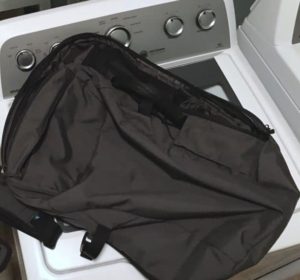 Even if used carefully, backpacks need to be cleaned regularly, and even more so after active and playful schoolchildren. While fabric backpacks can be washed without any problem, expensive models with orthopedic backs require special care. Otherwise, the beneficial effects will be lost. Before washing an orthopedic backpack, it's worth understanding the nuances involved. Where, how, and what to clean them with—let's find out right now.
Be sure to read the label.
Experts recommend washing school backpacks every three months for hygiene and aesthetics. However, cleaning is often required more frequently, as children often leave their backpacks on the floor, grass, and other dirty surfaces. In any case, the procedure is the same.
The first thing to do is examine the manufacturer's tag. This is a small label sewn onto the inside of the backpack that briefly explains the care instructions. Typically, the tag will specify the type of cleaning that can be performed:
- hand wash only;
- Machine washable;
- Dry clean only;
- dry cleaning.
The manufacturer's care instructions are provided on the factory label.
If dry cleaning is recommended, then self-cleaning is prohibited. This means the backpack is completely intolerant of moisture and requires special care. The only solution is to seek professional help.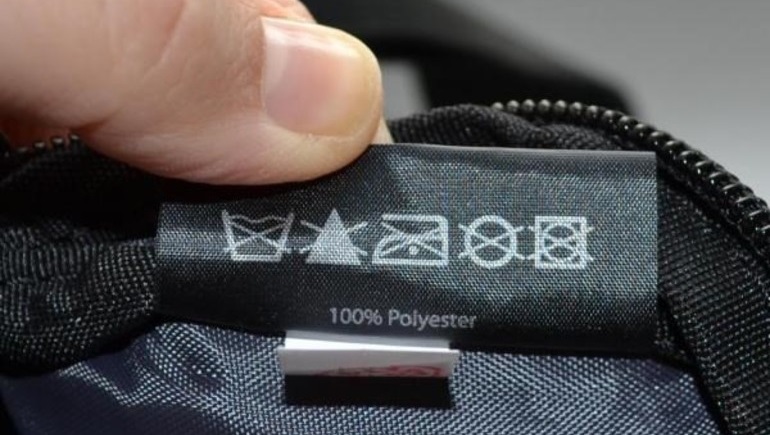
Dry cleaning is often used as an intermediate step, but for some models it becomes the only possible option. Remember that many natural materials and fabrics do not tolerate exposure to moisture. Therefore, it is important to carefully read the label and decipher all the symbols on it.
Preparing for the process
The second step is to assess the existing dirt and prepare the backpack for cleaning. Regardless of the chosen washing method, the procedure begins with emptying the contents. After removing all books and accessories, turn the backpack upside down and shake out any small debris. If possible, vacuum the insides. All removable decorative elements, such as patches, keychains, and badges, must be removed and cleaned separately.
Next, we inspect the item for damage. Before washing, we typically perform the following additional checks:
- fix a broken zipper;
- cut off any loose threads;
- sew up the torn areas.
Grass, ink, chocolate and grease stains are pre-treated with a stain remover!
The next step is cleaning. First, remove the top layer of dust with a damp cloth or sponge. If there are stubborn stains, such as grease, grass, or ink, you'll need to wash them before the main cycle. To do this, use a suitable stain remover (non-chlorine-based) and apply it to the affected area in the appropriate dosage. Afterward, simply scrub the area with a brush or leave the solution for 5-7 minutes.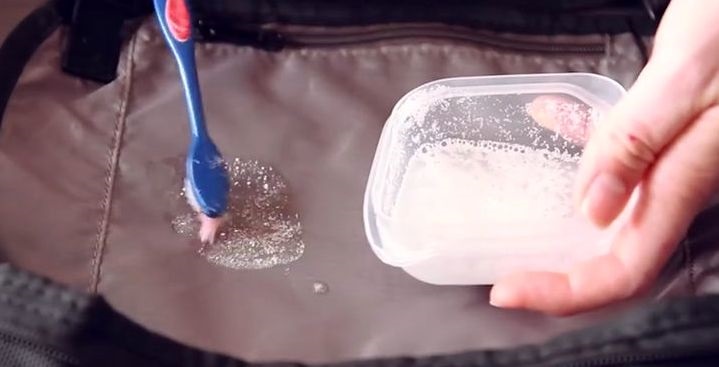
Next, consider the cleaning method you've chosen. If you plan to machine wash the backpack, zip up all the zippers and remove the back padding from the back panel. Keep in mind that this padding is made of hard plastic or metal and can damage the backpack during the washing cycle. If hand washing, open all the pockets.
Let's use a typewriter
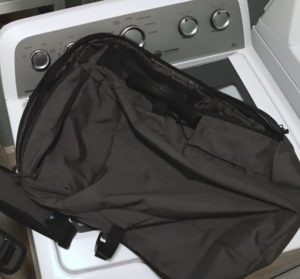
Machine washing is safe for most backpacks. Just be sure to strictly follow the manufacturer's instructions, taking into account the backpack's materials and shape. These include the following:
- prepare the backpack for washing and check that all compartments are closed;
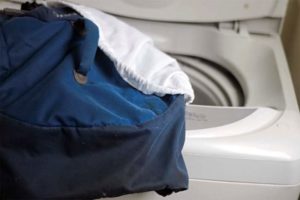
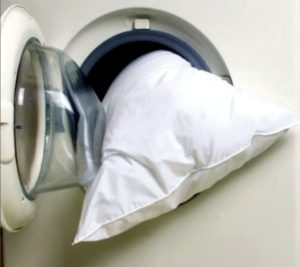
- Place the bag in a protective bag and load it into the drum;
- add a suitable detergent (preferably gel or gel capsule) to the powder compartment or drum;
- turn on the “Delicate” or “Manual” mode;
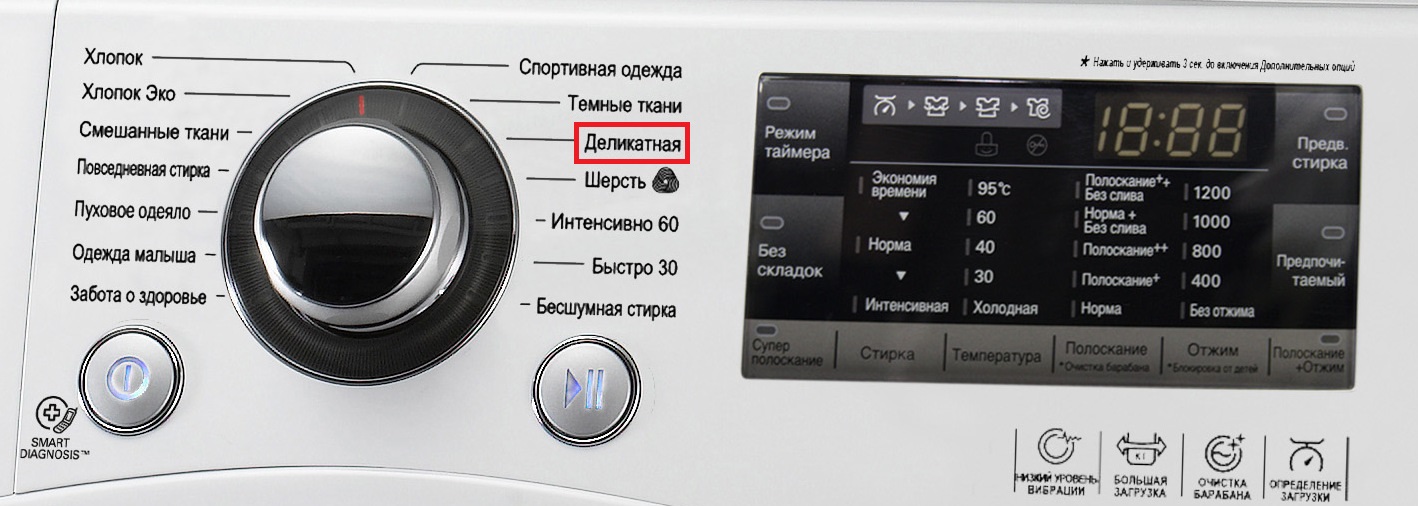
- make sure that the set temperature does not exceed 40 degrees;
- check that the spin cycle is switched off or reduced to a minimum;
- start the cycle.
The orthopedic backpack can be washed using the “Delicate” or “Hand” program at 30-40 degrees and minimum spin.
Once the cycle is complete, carefully remove the bag from the drum and remove the bag. Next, we recommend blotting the sides of the backpack with a dry cloth to speed up drying and prevent mold. Afterward, simply air dry the bag.
What if the backpack can't get wet?
It's a different matter if the backpack can't be washed. In this case, even a gentle cycle won't help—it's essential to completely eliminate water during cleaning. This requirement applies to the following items:
- leather (both genuine and artificial);
- vinyl;

- treated with special impregnations;
- having non-removable decor or fittings that cannot be wet.
If the material does not “like” water, then you will have to limit yourself to a soft sponge and a weak soap solution. When cleaning leather products, cleaning is only possible with a damp cloth.
A great option for dry cleaning is using specialized foam cleaners. These are sold in hardware stores and allow you to remove tough stains without contact with water. The following brands have proven themselves effective:
- Silver;
- Twist;
- Liqui Moly;
- Salton;
- Saphir.
As trivial as it may sound, the main goal when dry cleaning is to avoid over-wetting the material. If you're inexperienced, it's best to play it safe and take it to a dry cleaner.
Removing moisture from your backpack
Washing your backpack is only half the battle. Drying it properly is equally important. Failure to follow basic guidelines can result in the loss of your orthopedic bag.
The main rule when drying a backpack is to give preference to natural conditions. Here's how:
- do not wring out the product after washing;
- open all zippers and fasteners;
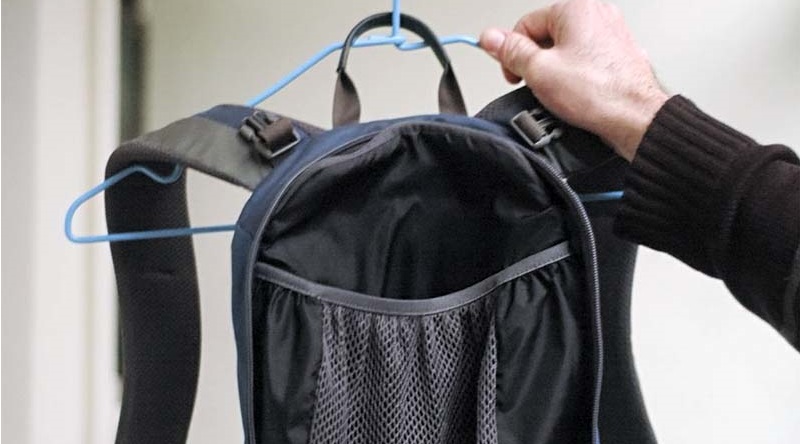
- pour out the remaining water from the bag, turning it upside down;
- we apply absorbent fabric to the walls of the backpack;
- We turn the product over again and secure the bottom and straps to the clothesline with clothespins.
You can speed up drying by stuffing all pockets and compartments with dry paper. As the bag gets wet, replace the sheets until all the moisture has evaporated. Newspapers should not be used for this purpose, as the ink will leave marks on the fabric. Avoid placing the orthopedic bag on a radiator or other heat source. A hairdryer should be held at least 20 cm away from the bag. However, leaving the bag to dry naturally for long periods of time is also not recommended, as it may cause mold and an unpleasant odor.
Tips from experienced housewives
It is better to study the manufacturer's instructions when choosing a product, so as not to create problems for yourself in the future. Fortunately, most backpacks are easy and quick to clean. Here are a few more tips to enhance the effect:
- use chlorine-free products;
- do not wash in water above 40 degrees;
- it is advisable to use liquid powders;
- handles and straps need to be cleaned more thoroughly because more bacteria accumulate on them;
- you can't soak the backpack;
- The unpleasant odor can be removed by rinsing in a vinegar solution.
Orthopedic backpacks require a special washing procedure, but with careful attention and attention to detail, cleaning them won't be too difficult. Just remember to follow the manufacturer's recommendations.
Interesting:


Readers' comments
Headings
Washing machine repair




For buyers




For users


Dishwasher




Add a comment