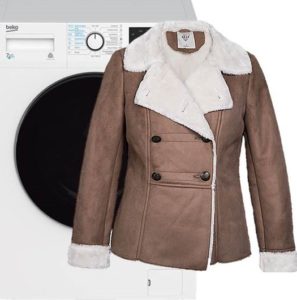
There's a reason you want to wash sheepskin in a washing machine. These items are often bulky and heavy, and they accumulate not only dirt and dust but also dangerous bacteria and even mites. If not cared for, the item will lose its appeal and become hazardous to human health. But in this article, we'll discuss whether a washing machine can help, or whether cleaning is best done in a different way.
Is machine wash possible?
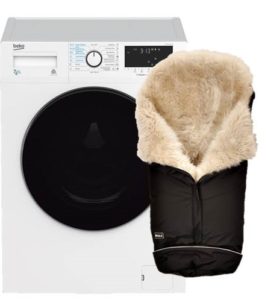
The information label on the item will tell you whether or not a particular sheepskin envelope can be loaded into the washing machine. The manufacturer describes in detail all the details of caring for the product on the label. If there is no image of a basin with a line through it or a hand lowered into it, machine washing is permitted.
Dyed sheepskin should not be washed in an automatic washing machine, as the pigment will be completely washed out.
When there are no recommendations from the manufacturer, it is better to rely on basic sheepskin care tips.
Make sure the item fits completely in the drum. If the item is too large, choose a similar option, such as dry cleaning, hand cleaning, or dry cleaning.
Carefully inspect the item for stubborn stains. The machine won't be able to remove stains from grease, ketchup, chocolate, wine, or stuck-on gum, so first spot-treat with safe stain removers.
Shake out any crumbs, dust, and other debris that may have accumulated in the sheepskin pile. Ideally, use a vacuum cleaner.
Choose the right detergent. Standard synthetic detergents containing harsh bleach or chlorine are strictly prohibited for washing natural wool. Only use special gels for delicate or woolen fabrics. Do not add fabric softener to the detergent drawer.
Place the item in a speciallaundry bag (you can use a pillowcase or duvet cover) to protect the machines from possible shedding.
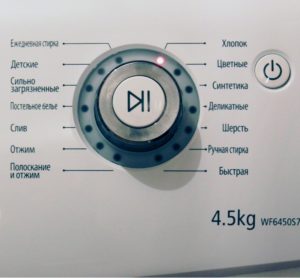
Turn on the “Hand wash”, “Wool” or “Delicate wash” program.
Make sure the temperature is less than 40 degrees and the spin is as low as possible.
Turn on the re-rinse option if the item is heavily soiled.
After washing, carefully remove the garment, straighten it, and place it on a flat, horizontal surface with the fur facing up, without wringing it out. The drying area should be well-ventilated, but avoid direct sunlight. A balcony, loggia, or terrace is ideal. While drying, shake and stretch the wool regularly to prevent shrinkage.
Once the fur is dry, take a special comb and thoroughly comb out all the fur. A wire brush or a metal one designed for pets will work well for this.
Traditional washing
Machine washing bulky items is impossible—they simply won't fit in the drum. However, it's recommended to clean sheepskin at least once a month, otherwise the thick, long pile will accumulate too much dirt, which is unsightly and dangerous. Hand washing is an excellent option.
Find a container of suitable size for washing: a large basin, a small tub, or a full-size bathtub.
We collect water at a temperature of up to 40 degrees.
Dilute the detergent in water. As mentioned above, it's best to find special gentle gels. If this isn't available, add shampoo or liquid soap to the bath.
Instead of a delicate gel designed specifically for wool, you can use pet shampoo for sheepskin.
Place the sheepskin in water, soak and leave for 30-40 minutes.
Afterwards, carefully wash the item, remembering that it is forbidden to strongly crush, rub, or wring the wool.
We change the water several times, rinsing the sheepskin.
Avoiding wringing, we knead the item, allowing the water to drain freely from the pile.
Drying after hand washing follows a similar pattern: place the item on a horizontal surface in a ventilated area and allow it to dry naturally. If there is too much water, the fur should be blotted several times with a dry terry towel. Don't forget about stretching to prevent deformation of the material.
Let's limit ourselves to cleaning
If the item is too large to handle by hand, dry cleaning is the only option. You can take your sheepskin rug or throw to a professional dry cleaner, but it's also easy to clean at home. Just keep a few things in mind.
You can clean sheepskin in fresh snow without much effort and efficiently. Simply lay it out with the nap facing up and cover it with snow. Wait a few minutes and then sweep the snow away, which will remove all accumulated dirt from the surface. For best results, repeat the process, but with the nap facing down. Don't be afraid of subzero temperatures—natural fur thrives on hardening. For this reason, fur cape and coat manufacturers recommend taking their fur out for walks more often in winter.
At sub-zero temperatures, dust mites found in sheepskin fur die.
Be sure to vacuum the sheepskin. If cleaning at home, treat particularly dirty areas with ammonia diluted in water. Mix the ingredients in a 1:1 ratio, wet a sponge, and leave it on the fur for a few minutes.
Do not dry with a hair dryer, heater or iron – only natural drying is allowed.
To add elasticity and softness, a mixture consisting of egg yolk and a tablespoon of petroleum jelly is applied to the leather layer of the product.
Yellow stains from sheepskin pile can be removed by treating it with a solution of 2 tablespoons of hydrogen peroxide per 2 liters of water.
Dry cleaning is possible using raw potatoes. Chop the potato and sprinkle it on the stained areas. Let it sit for 10-15 minutes and then wipe with a clean cloth.
The color of the wool is restored by treating it with crushed walnuts wrapped in a gauze bag.
To avoid worrying about whether or not you can machine wash a sheepskin, it's best to dry clean it immediately or take it to a dry cleaner.
Caring for sheepskin is easy; the key is to follow the manufacturer's recommendations. Regularity is also important—the more frequent and thorough the cleaning, the more beautiful and safe the fur will be.

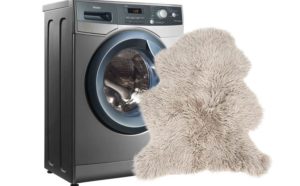 There's a reason you want to wash sheepskin in a washing machine. These items are often bulky and heavy, and they accumulate not only dirt and dust but also dangerous bacteria and even mites. If not cared for, the item will lose its appeal and become hazardous to human health. But in this article, we'll discuss whether a washing machine can help, or whether cleaning is best done in a different way.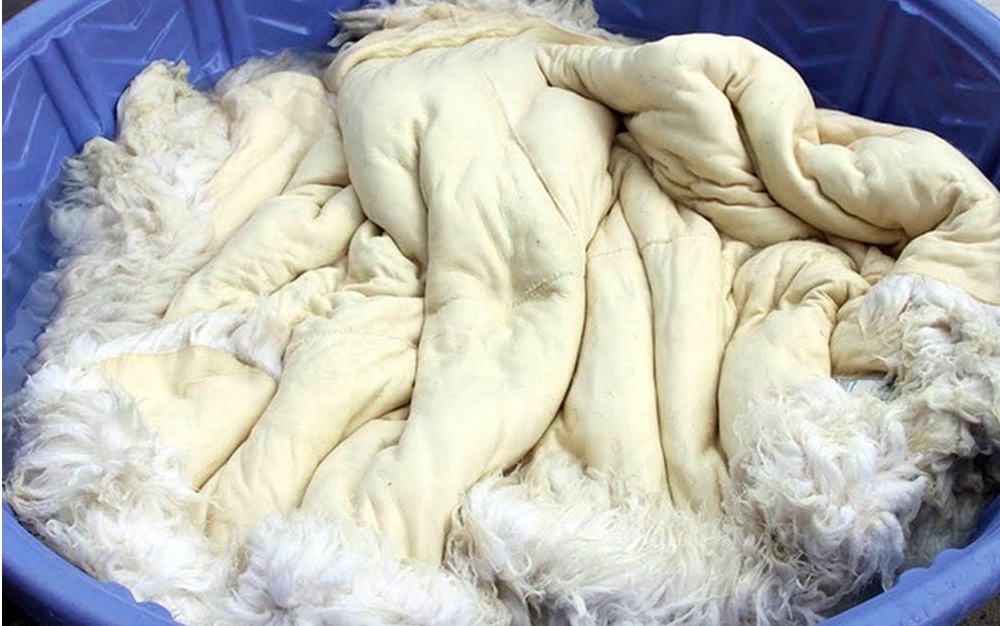

















Add a comment