
Washing a dress with sequins
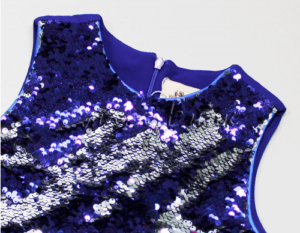 Many holiday dresses are embroidered with sequins—glittering flat or textured "scales." They add a striking and vibrant touch to the outfit, covering the entire fabric or creating patterns. However, even these outfits need to be washed periodically, and in a special way. Let's figure out how to wash a sequin dress and the most common mistakes fashionistas make. All instructions and recommendations are below.
How to care for such a thing?
Items with sequins are considered delicate. The sequins are made of thin plastic and typically range in diameter from 4 to 7 mm. Typically, shiny plates are attached with glue or thread, and the base of the dress is chiffon, silk, jersey, organza or mesh. In any case, the outfit is lightweight and requires careful care.
Before cleaning a sequin dress, be sure to read the tag attached to it. The manufacturer will always indicate the optimal care instructions, including temperature, washing, bleaching, and spinning instructions. Some garments are strictly prohibited from being washed, as indicated by a crossed-out basin symbol on the tag.
There are also general recommendations for washing decorated items:
- minor stains can be removed with a cloth soaked in soap;
- aggressive, bleaching and abrasive products are prohibited;
- dry cleaning is contraindicated;
- gel-based delicate detergents are used;
- water heating temperature – up to 40 degrees;
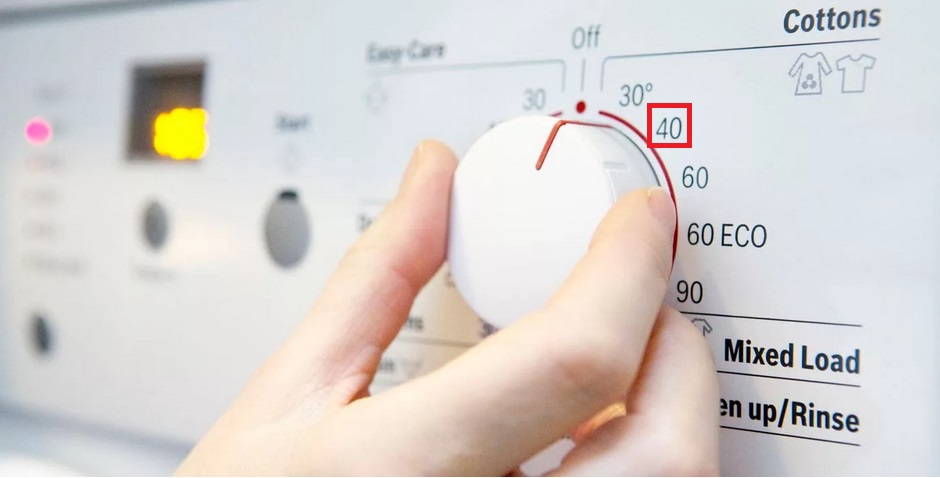
- wash "scaly" dresses separately from everyday clothes;
- Before immersion in water, all rivets, zippers and other fasteners are fastened;
- It is not recommended to add rinse aids, as they will make the plates dull;
- When loading items into the washing machine drum, always use mesh bags to protect them from snags and ties (a regular pillowcase can be used as an alternative).
It is recommended to wash dresses with sequins by hand: in cold water and with minimal pressure.
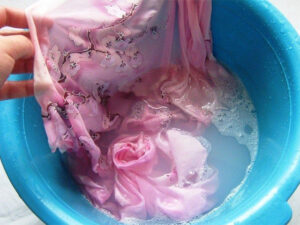
When choosing between hand washing and machine washing, it's best to choose the former. Fill a basin with warm water (30-40 degrees Celsius) and dissolve a gel or liquid detergent. Place the dress in the resulting solution. Let it soak for the first five minutes, then gently wash it by crumpling and squeezing. Avoid twisting or stretching the fabric, as this will stretch the base and cause the sequins to fall out. Finally, rinse the dress and lay it out on a drying rack without spinning.
Machine wash only items with sewn-on embellishments and only on a delicate cycle. Be sure to reduce the water temperature to a minimum, add liquid detergent, and turn off the spin cycle. It's best to select a short cycle and hang the suit to dry immediately after the cycle is complete.
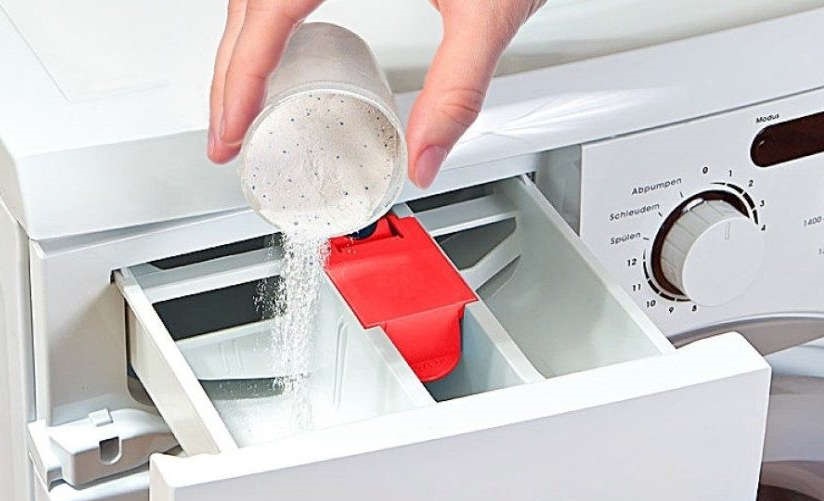
Regular washing powders aren't suitable for items with sequins. The granules dissolve poorly at low temperatures, scratching the sequins and dulling their shine. They also damage the base fabric, as the granules remain in the fibers, damaging their structure. Instead of dry concentrate, it is recommended to use a liquid one – a special cleaner for delicate materials. As a last resort, use dishwashing gel or hair shampoo.
Typical mistakes
To avoid ruining your expensive "scaly" dress, it's crucial to wash it with the utmost care. If the water temperature is too high or the spin cycle is excessive, the garment will lose its original appearance, fray, or discolor. Common mistakes include:
- the fabric twists and rubs a lot;
- washing powders or concentrates with abrasive components are used;
- the product is wrung out;
- the water heats up above 40 degrees;
- The product is not placed in the net before loading into the machine.
When washing a dress with sequin embellishment, do not wring, rub, or wring it out—only gentle cleaning with liquid detergent is permitted!
The result will be disastrous: the dress will lose its shape, stretch, and sag. The sequins will also suffer, becoming deformed, breaking, or losing their original shine. The sequins often fall off, making it quite difficult to reattach them.
How to iron a dress like this?
Ironing a sequined dress is unnecessary—the sequins hide creases and folds. Furthermore, contact with a hot iron is dangerous for the plastic embellishments, as high temperatures will cause the sequins to melt and stick to the fabric. The fabric itself also does not like excessive heat: knitwear, silk, organza, mesh and other delicate materials can become deformed and damaged.
Ironing a dress embroidered with sequins is strongly discouraged - strong heat will melt the scales and ruin the dress!
If absolutely necessary, iron at the lowest temperature and only from the inside out. A damp gauze folded in 2-3 layers is always used as a protective lining.
Interesting:

Readers' comments
Headings
Washing machine repair




For buyers




For users


Dishwasher




Add a comment