
Washing a dress in a washing machine
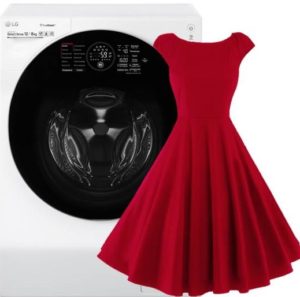 Many women prefer dresses to trousers and jeans. They enjoy wearing them not only on special occasions but also on weekdays. However, some fabrics are so delicate that washing them becomes a real ordeal, leading women to ditch the sundress for a more practical T-shirt. Let's learn how to properly wash a dress in the washing machine to preserve its shape for a long time. By following certain tips, you won't have to deny yourself the pleasure of dressing up every day.
Chintz dress
There is no universal instruction for washing any item of clothing. Each dress requires an individual approach, depending on the material it is made of. For example, when washing a cotton item, don't add synthetic items to the wash cycle at the same time. Otherwise, the cotton will lose its original softness and the fabric will become brittle.
Here are a few more tips to follow when washing a cotton garment:
- Be sure to turn the item inside out before loading it into the drum;
- zippers and buttons on a chintz dress must be fastened;
- It is advisable to use powders and gels that do not contain bleaching particles;
- To preserve the properties of the fabric, it is better to wash chintz items on a delicate cycle;
- To add shine to the material, it is recommended to soak the item in a salt solution after washing (3 tablespoons of salt per 5 liters of water);
- You can refresh a washed-out cotton dress by soaking it in a vinegar solution (one spoon of vinegar per liter of water).
Make sure to spin cotton items at a low speed, otherwise they may become misshapen. It's also important to dry the fabric outside, avoiding direct sunlight. If drying indoors, make sure it's in a well-ventilated room.
A velvet item
Velvet dresses are a particular passion for some women. Before you decide to throw one in the washing machine, be sure to check the care label. If hand-cleaning only is recommended, it's not worth the risk. If the manufacturer is machine washable, it's important to read the symbols on the label—they'll tell you which program and temperature is best for washing your garment.
It is recommended to wash velvet dresses in special bags to minimize the negative impact on the delicate fabric.
Velvet items should also be turned inside out before loading. Typically, a delicate or hand wash cycle is acceptable, with water temperatures no higher than 30°C. Always turn off the spin and dry cycles. Spinning time should be kept to a minimum for velvet garments. Once the cycle is complete, remove the dress from the washing machine and hang it to dry without spinning.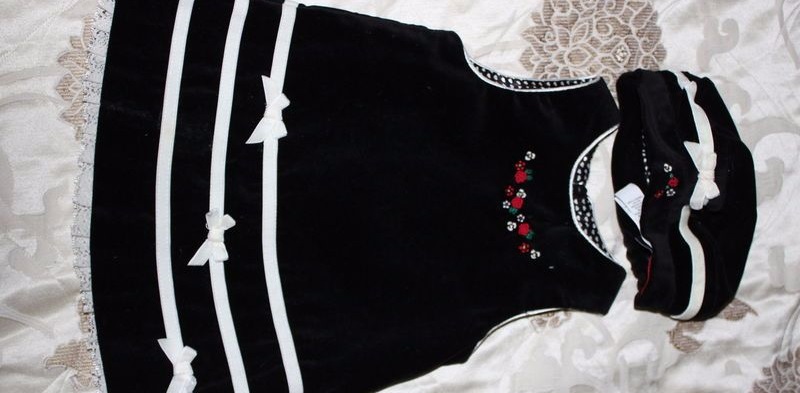
Viscose items
Viscose dresses are incredibly airy, delicate, and flowing, but some women avoid them because they don't want to constantly hand-wash them. Modern washing machines handle this task with ease, so you can confidently add a viscose sundress to your wardrobe. Here are a few tips to help you avoid ruining your outfit:
- Do not load viscose into the drum at the same time as coarser fabrics;
- It is better to wash dresses in special bags;
- run the “Delicate” or “Hand wash” mode, make sure that the temperature is not higher than 30°C;
- It is essential to turn off the automatic spin cycle, as it is not recommended for viscose items;
- Use a high-quality cleaning product specifically designed for delicate fabrics. Avoid dry powders and opt for gels or capsules.
If the dress is heavily soiled, an oxygen-based stain remover can be used. For light-colored and white viscose garments, non-chlorine bleaches can be used. Adding fabric softener to the washing machine is recommended for incredibly soft garments.
Knitted dresses
Any knit dress is machine washable, so caring for it shouldn't be a problem. Simply set the wash cycle to a gentle cycle suitable for delicate fabrics. To determine the optimal water temperature, consult the garment care label. It's generally recommended not to exceed 40°C. It's best to set the spin cycle to a minimum of 400-800 rpm.
It is strictly forbidden to hang wet knitwear on a clothesline.
Also, don't wring the garment by twisting it. Remove the dress from the drum and brush off excess moisture by hand, moving from top to bottom. You can lay the garment on a rack to allow the water to drain naturally. Next, roll the dress into a terry towel—this is the final step in manual wringing. Next, dry the knitwear horizontally in a well-ventilated area.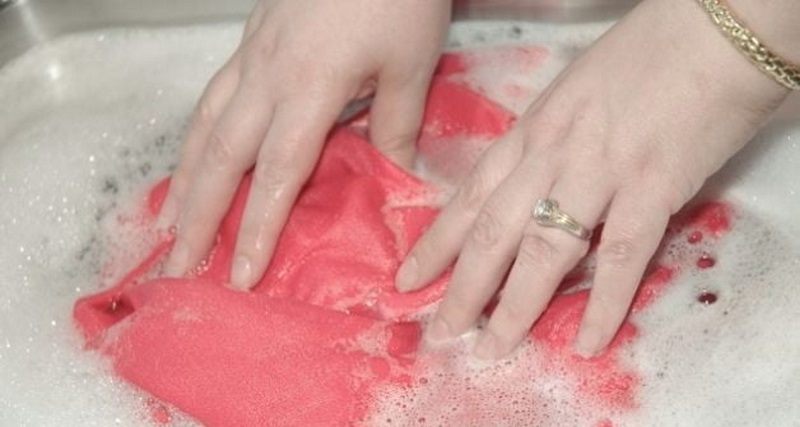
Silk product
Luxurious silk dresses will adorn any woman, which is why they are so loved by the fair half of humanity. Silk garments cannot be washed in a washing machine; only hand cleaning is permitted. The algorithm of actions will be as follows:
- fill a basin with water at a temperature of no more than 40°C;
- add a gentle detergent;
- soak the dress in the container for 10-15 minutes;
- wash the item, avoiding strong mechanical impact (do not rub, squeeze, or twist the fabric);
- Rinse the garment several times, gradually reducing the water temperature. The final rinse should be done in cold water. Fabric conditioner may be used. Fabric conditioner will prevent static buildup, prevent fading, and smooth the fibers.
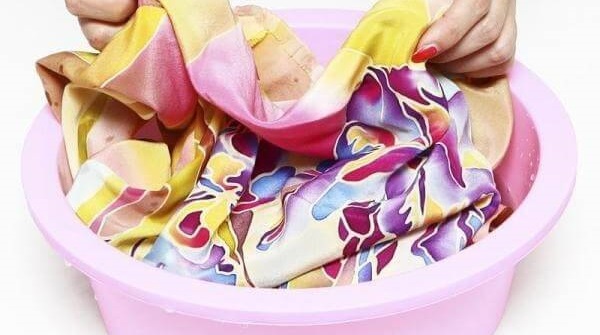
Don't wring silk garments. Remove the garment from the water and lay it out on a terry towel or sheet. It's best to place another towel on top and press it with your palm to remove excess moisture. Lay the dress flat to dry.
Polyester item
As with any other garment, before placing a polyester dress in the washing machine, make sure the tag has no restrictions. This is a low-maintenance synthetic material, and the manufacturer usually allows for machine cleaning. It's important to sort items by color.
If there are stains on your dress, remove them before loading it into the washing machine. It's best to use liquid detergents, with separate ones for colored and white items (depending on the shade of the fabric). Use a delicate cycle or a manual cycle with a spin speed of up to 800 rpm. It's recommended to rinse polyester dresses with fabric softener.
Satin dress
Satin is a delicate material that requires careful care. It's best to hand wash luxurious satin dresses, following basic guidelines. It's also important to use high-quality liquid detergents specifically designed for this type of fabric. Silk cleaning products are also acceptable.
When washing a satin dress, avoid using dry powders—the granules can leave marks on the garment that are very difficult to remove.
The washing procedure is standard: first, the garment is soaked in water with detergent, then rinsed thoroughly. Don't wring the satin—the dress is removed, excess moisture is shaken off by hand, and then the garment is hung on a line to dry.
Interesting:




Readers' comments
Headings
Washing machine repair




For buyers




For users


Dishwasher




Add a comment