
Washing a pleated skirt
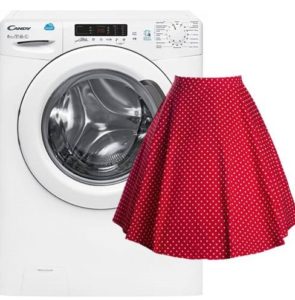
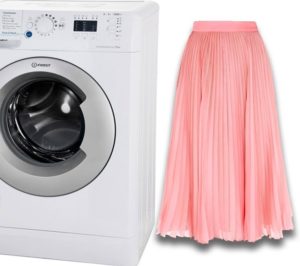 Pleated garments have been trending for years now. The distinctive folds in the fabric help create a light, feminine look. However, these garments require more careful care than regular washing. How do you wash a pleated skirt and iron it carefully? We'll reveal the secrets to preserving the shape of pleated garments.
Preparing the skirt for washing
Before you begin washing pleated fabric clothing properly, you need to prepare the item. Clothes should be tidied up and only then placed in the washing machine. What is the best way to do this?
- Sew the pleats loosely to preserve the fabric's characteristic folds. It's best to use light-colored threads that won't fade when washed. You can sew in different directions—vertically along each pleat or horizontally. Some recommend using large stitches in the center of the pleats and smaller stitches closer to the bottom of the garment.
- Place pleated garments in a regular stocking. They should remain there not only during washing but also afterward.
Please note that when sewing pleats on a pleated skirt or dress, be careful not to pull the thread too tightly. This is because tightly pulled fabric can become deformed or even tear in the washing machine. The first method of preparing an item for washing, although more time-consuming, is the most effective. This will help the garment maintain its appearance.
Basic rules for washing
Properly washing pleated items differs from the usual procedure. Before throwing pleated garments in the washing machine, be sure to read the care instructions for this fabric. Let's look at the basic methods for getting this delicate garment back in order.
- If you're familiar with the fabric's composition and know the proper washing cycle, you can use a washing machine. Consider the washing temperature (usually the minimum setting) and other features of the selected cycle. Avoid spinning and opt for a delicate cycle.
Important! When machine washing, use a special bag for delicate fabrics and place the carefully rolled pleated skirt in it.
- You can skip the washing machine and hand wash the item in cool water. Handle pleated garments carefully, avoid squeezing them, and avoid using excessive force when spinning.
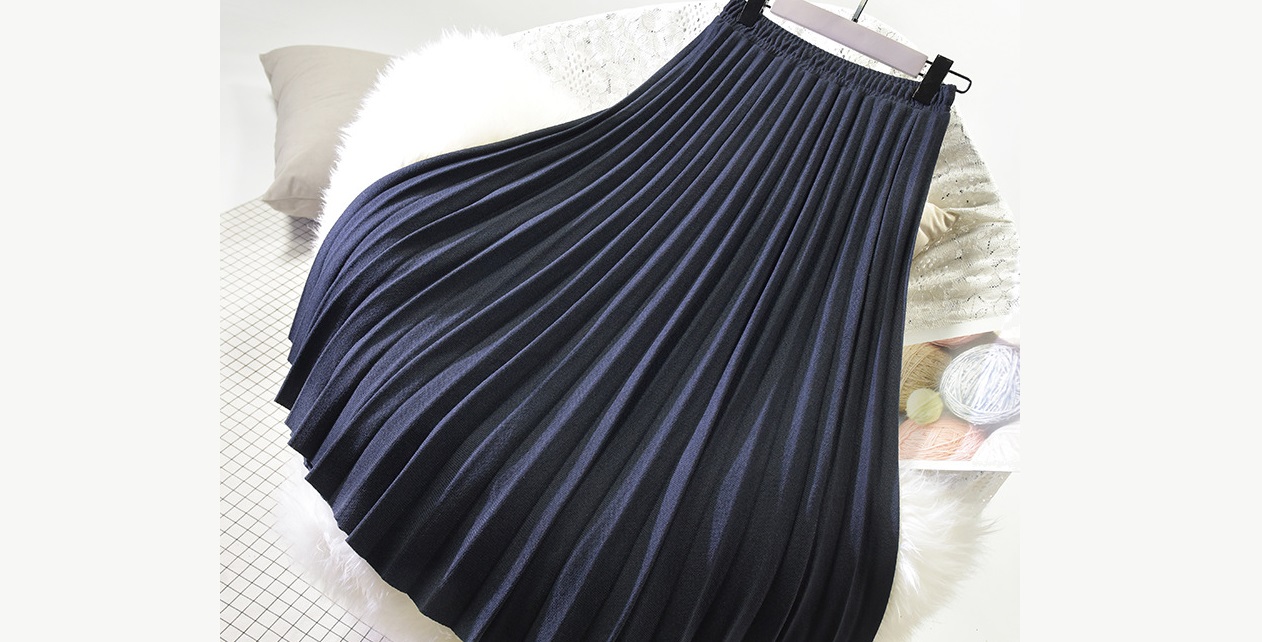
- Roll the skirt loosely and place it in a stocking. Machine wash on a delicate cycle or hand wash. After washing, do not wring the item; simply hang it to dry without removing it.
Whether you're washing by machine or by hand, add a fabric conditioner to the rinse water. It adds lightness to the fabric and acts as an antistatic agent. It also makes pleated garments easier to iron.
Drying pleated items deserves special attention. Don't simply hang the washed item or lay it flat on the fabric. Experienced homemakers have their own secrets for preserving the pleats in garments. After washing a pleated skirt, roll it into a tube and tie it with a ribbon at the waist. The fabric should hang freely, without being pinched. Hang the garment by this ribbon and leave it there until it's semi-dry.
What powder should I use?
Proper washing of pleated items involves not only choosing the right mode and temperature, but also using a special detergent. It is better not to use regular washing powders, but to give preference to gels. They handle stains well and are easy to wash out of fabric. Let's look at what care products are available for pleated clothing.
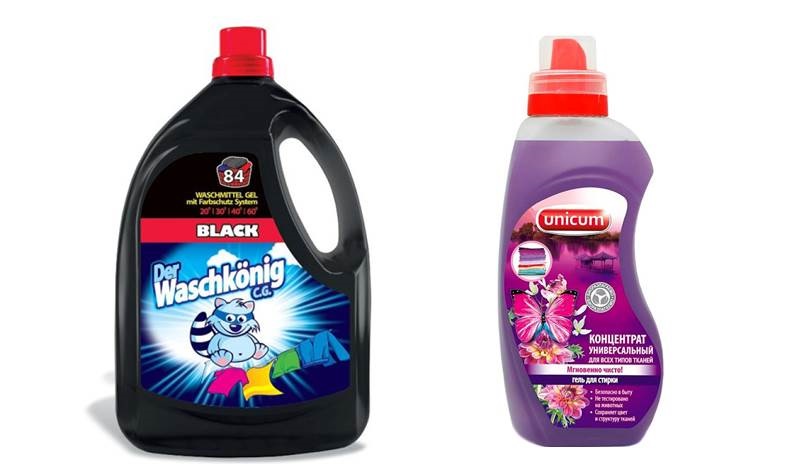
- Der Waschkonig Black Gel is designed for washing black or dark-colored fabrics. It can be used in the washing machine or by hand. It is suitable for synthetics, cotton, and blended materials. The gel contains a stain remover and a corrosion inhibitor for washing machine components. It costs about $4 for 1.63 liters.
- Unicum Delicates Gel (wool and silk) is also suitable for both machine and hand washing. It's suitable for all colors and is even suitable for pleated items. This concentrated, low-foaming detergent is quite affordable—around $1.80 for 750 ml.
- Purox Color gel is designed for washing colored fabrics, including synthetics and cotton. It rinses well and leaves no residue on fabrics or in the washing machine drum. It can be used in the washing machine or for hand washing. Three liters of this Polish-made product costs $3.60.
Important! When choosing a detergent, be sure to consider the fabric composition and the recommendations on the label.
Laundry gels can be used with or without fabric softeners. Fabric softeners will leave fabrics soft and pleasantly scented, and will also help eliminate static cling. Using special products will help preserve the attractive appearance of pleated clothing.
How should I iron?
If you've stitched all the pleats before washing your pleated skirt, ironing it will be easy. Furthermore, you should remove the threads after ironing, not before. If you didn't stitch the pleats before washing, you can do so immediately before ironing. Select the appropriate temperature setting on your iron for the specific fabric. Depending on the fabric, certain rules for ironing pleated items must be followed.
- Silk items (including synthetic ones) should be ironed while semi-dry. Avoid intentionally spraying the material with water while ironing, as this may leave marks on the garment. Always turn the item inside out. Please note that pleated silk dresses and skirts may not require ironing.
- Pleated knitwear is ironed through a double layer of cheesecloth. This is essentially steaming, not ironing in the traditional sense.
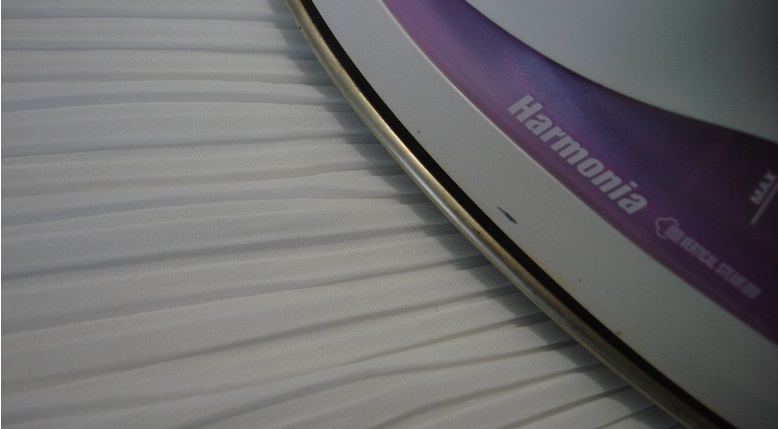
- Thick wool items also require the use of cheesecloth. In this case, soak it in a diluted vinegar solution and then iron out the folds. Before beginning this procedure, be sure to check the manufacturer's instructions on the label.
There are also general tips for ironing pleated items. They should only be ironed while damp, as completely dry fabric will not iron. Set the appropriate ironing program for the fabric, then iron the pleats at the appropriate temperature. The best results are achieved when ironing a pre-sewn item; after this, remove the threads.
If you are not sure that you can wash and iron pleated items properly, take them to the dry cleaner.
Pleated skirts and dresses usually don't need ironing after washing. If you used a special bag when washing them, the garment won't wrinkle. However, if you want to refresh the look, it's best to steam the fabric.
To do this, remove the items from the laundry bag and shake them out. Then, fill the bathtub with hot water and close the door to trap the steam. Hang pleated items and leave them there for about fifteen minutes. Then, open the bathroom door and leave the garment for another five minutes. This is usually enough to restore the skirt to its original appearance.
If your iron has a steam setting, this makes the task much easier. Hang the garment on a hanger and straighten it by hand. Set the appropriate temperature for the fabric, following the instructions on the care label. Steam out any creases using the vertical steam setting, but remember not to set it too high.
How to keep your skirt looking perfect?
Proper care tips will help preserve the appeal of pleated clothing. For example, some fabrics should not be ironed. In these cases, wash the garment in a bag or stocking using a delicate cycle. Particular attention should be paid to the spin speed – you should set it to the minimum value or avoid it altogether. After washing, hang up the clothes, carefully straightening out the creases with your hands.
Rolling the item into a tube before washing will help preserve its appearance. If the creases still disappear after this, they can be restored by rubbing each fold with soap on the back and ironing thoroughly with pressure at the appropriate temperature. Cotton items can be starched.
Interesting:


Readers' comments
Headings
Washing machine repair




For buyers




For users


Dishwasher




Add a comment