
Washing a duvet cover in a washing machine
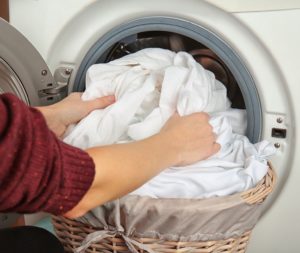 Bedding differs in volume and fabric type from everyday linens, so it requires special care. Before washing a duvet cover in a washing machine, you need to prepare the item, choose the right detergent, and set the correct cycle settings. Step-by-step instructions and recommendations from experienced homemakers will help.
Preparing the duvet cover
While pillowcases and sheets don't require pre-washing, duvet covers can be a bit more challenging. Other linens can get caught inside and bunch up, especially if the duvet cover has a large hole in the center.
The lump only seems harmless and is not limited to poor washing of the duvet cover. When laundry becomes lumped together, the drum becomes unbalanced, creating an imbalance that can damage the washing machine's shock absorbers or the drum walls. If the machine does not have a built-in imbalance protection function, the consequences will be dire.
You can prevent clumping by preparing your duvet cover for washing. This is easier for those with bedding that has special fasteners, buttons, or zippers: simply close the opening and start the cycle. If this isn't possible, try this: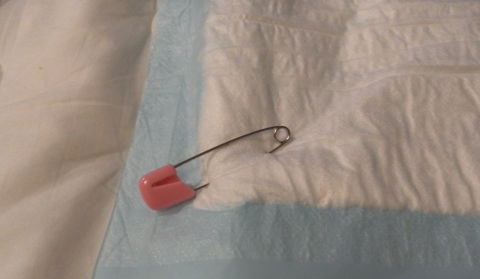
- take a few pins;
- we pull the edges of the hole towards each other;
- we connect the edges with pins.
Clumping of laundry inside the duvet cover threatens the washing machine with imbalance and all the consequences that entails.
It's best to use plastic fasteners, as metal ones will creak and clank when the drum rotates. Another option is to carefully baste the opening with thread. Twisting or tying the duvet cover in a knot is strongly discouraged. Firstly, this will make washing the linen more difficult. Secondly, the fabric will wrinkle significantly and will need ironing.
How much laundry should I load?
The main danger when washing bed linen is exceeding the machine's load capacity. Almost no one washes one or two duvet covers; they often try to reduce the number of cycles and load a whole set, or even two, into the drum. But not all washing machines can handle such a load.
Each washing machine model has its own maximum and minimum capacity. Compact, narrow models hold no more than 3-4 kg of laundry, standard models up to 5-6 kg, and full-size models can wash up to 9-10 kg at a time. The minimum capacity for most machines starts at 1.5-2 kg. To ensure high-quality cleaning, it's important to know the recommended load and follow it.
One cotton duvet cover weighs approximately 0.5-0.7 kg.
Some modern models offer automatic weighing and an overload warning. However, most washing machines don't have this feature, so the user has to estimate the weight by eye. A rough weight chart can help with the calculations: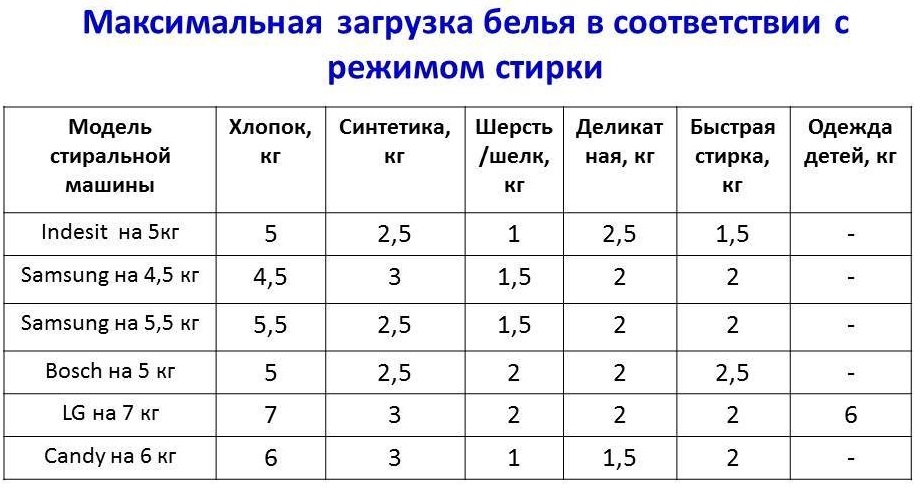
- sheet – from 400 to 500 g;
- duvet cover – 500-700 g;
- blanket – 600-800 g;
- pillowcase – 150-250 g.
It's important to consider not only the weight but also the volume of the load. The laundry should rotate freely in the drum, so it's recommended to leave at least 1/3 of the drum empty. Ideally, the drum should be half full, so everything will be washed and rinsed thoroughly.
Machine settings and what to wash with?
After loading the machine, we select a program. The universal ones are “Delicate”, “Manual” and “Sensitive”, which provide long-lasting, gentle and high-quality cleansing. But it's best to check the bedding label beforehand and set the cycle parameters according to the manufacturer's recommendations. For silk, select "Silk," for cotton, "Cotton," and for bamboo or satin, "40." Don't worry about the temperature or spin intensity settings—everything is preset for the appropriate conditions.
When cleaning bedding, it is preferable to use gels with a natural composition and conditioner.
We pay special attention to cleaning products. People come into close contact with bedding, so those prone to allergies should consider natural, hypoallergenic formulas free of phosphates, chlorine, and fragrances. Gels and liquid concentrates are best, as powders take longer to dissolve and often remain in the fibers of the fabric, causing irritation while you sleep. To add softness, use a fabric conditioner or rinse.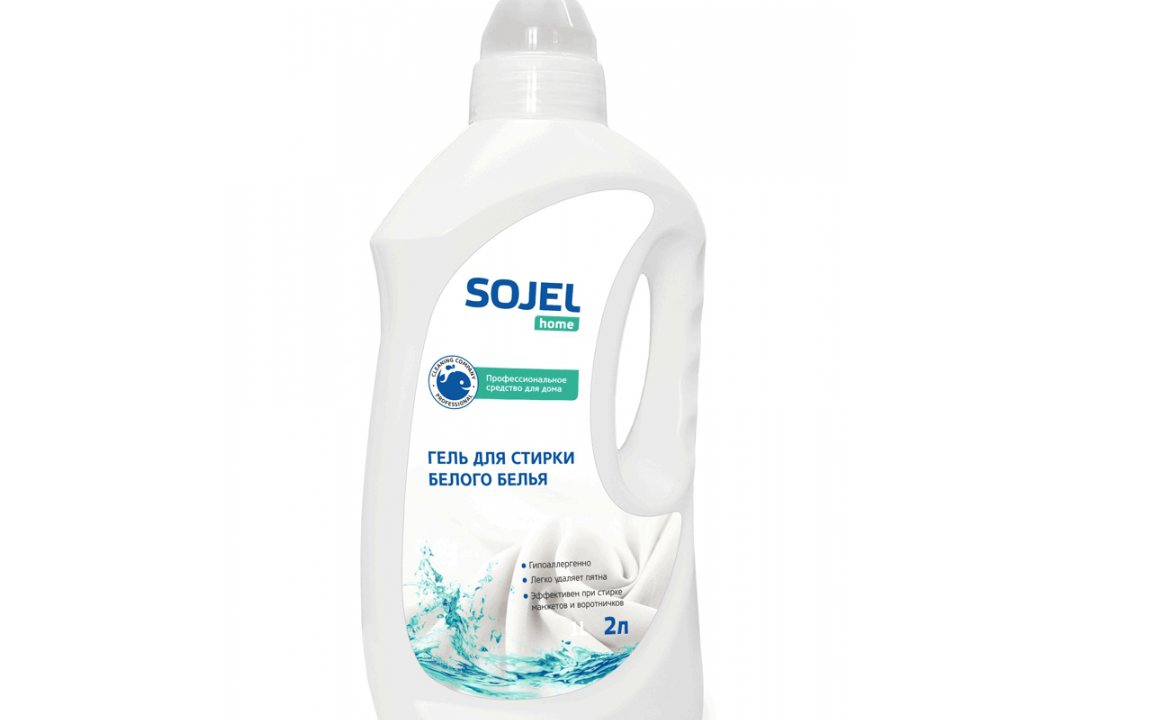
Stick to the rules
Bed linen should be washed regularly to ensure healthy and sound sleep. To ensure effective cleansing, it is worth following several standard rules. These include the following recommendations:
- After purchasing, the linen must be washed - it is unhygienic to lay out a set even from a sealed package;
- You cannot mix underwear made from different types of fabric (each material requires a special regime, otherwise the product will be damaged, will become covered in pellets and will become rough);
- White and colored items are always washed separately, even pastel shades;
- duvet covers are turned inside out before loading into the drum;

- Do not ignore the factory tag, which is always sewn on the inside of the item - it indicates the permissible temperature for cleaning;
- the embroidered item is placed in a special mesh bag, which will protect the appliqué from friction against the walls of the drum;
- children's and adults' clothes are washed separately;
- The duvet cover with a 3D image can be washed at a temperature not exceeding 30 degrees;
- do not overuse bleaching agents (even gentle ones destroy the fibers and make the fabric brittle);
- Use the double rinse function to completely rinse the detergent out of the fibers.
Before washing, duvet covers are turned inside out and the provided zipper is closed completely.
Washing duvet covers will be easy and worry-free if you prepare in advance. The key is to be mindful of the risk of imbalance and choose the right detergent.
Interesting:





Readers' comments
Headings
Washing machine repair




For buyers




For users


Dishwasher




Add a comment