
How to properly wash a post-operative bandage?
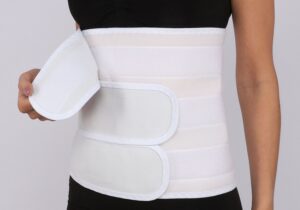 A compression bandage is essential after surgery, as well as during orthopedic treatment, pregnancy, and postpartum. It is secured to the affected area of the body, often in direct contact with the skin, which can quickly become soiled. Post-operative bandages made of synthetic materials and metal plates can be washed by hand or in the washing machine. However, this must be done correctly to preserve the therapeutic properties of the frame.
Which bandage can be washed and which cannot?
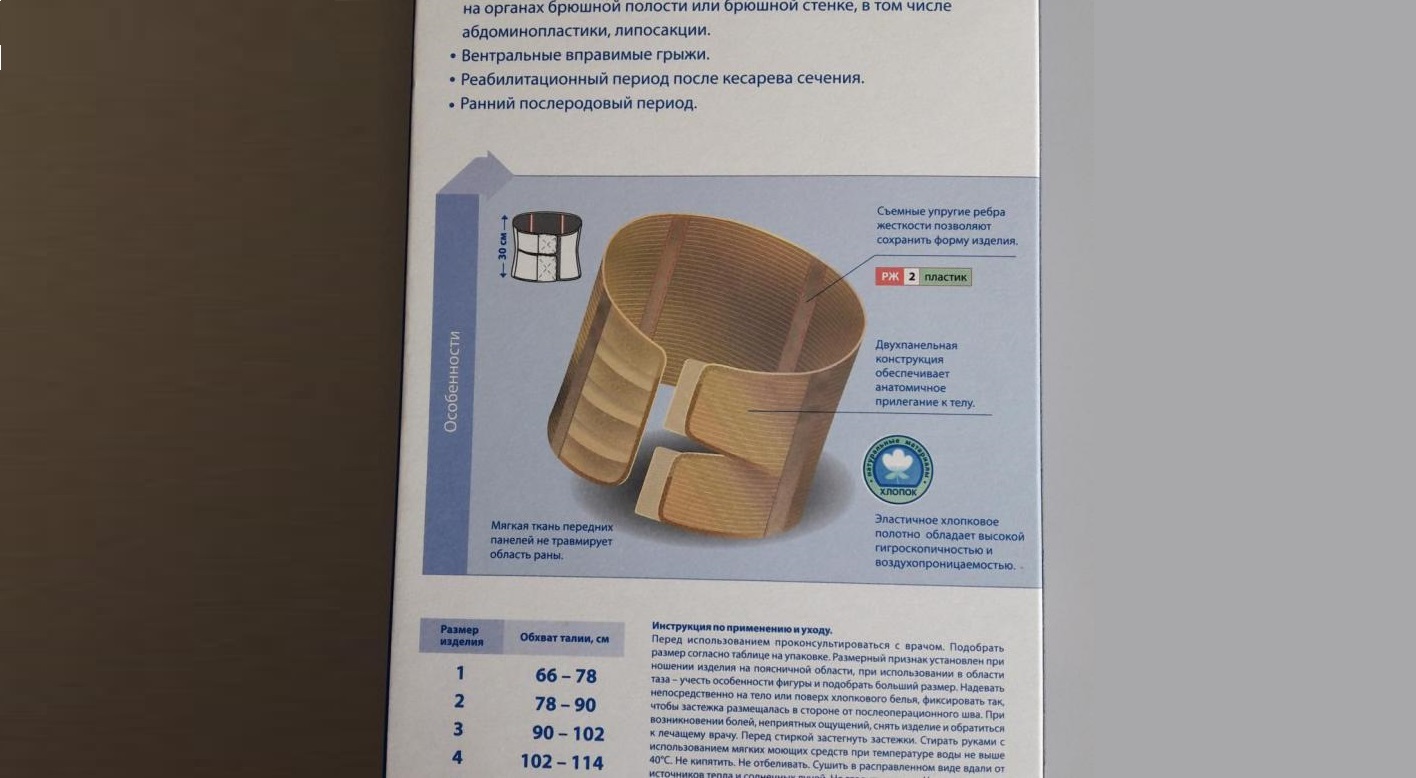
The word "bandage" comes from French and means "bandage." A bandage is an orthopedic device in the form of a belt with a frame. The support is made of elastic material and has several sewn-in metal or hard plastic inserts. This "skeleton" immobilizes a body part for therapeutic or cosmetic purposes.
The bandage is made from an elastic fabric base and hard inserts.
Supports vary in their intended use, content, and shape. The most common are belts for pregnant and postpartum women, as well as postoperative and orthopedic bandages.
- Maternity belts. Essential for protecting the abdominal wall from stretching and reducing stress on the spine and lower back. Typically, these bandages are made from breathable material with cotton fibers, which provides conditioning and eliminates allergic reactions.
- Postoperative bandages. Used after surgery. They feature an elastic base and are made of durable, wear-resistant polyester-polypropylene fabric.
- Orthopedic bandages. They provide support for injured ankles, knees, or elbows. The elastic cotton base with polyester inserts provides the necessary support while allowing the skin to breathe.
It's recommended to wear any supportive product under clothing, especially abdominal and lumbar supporters. Direct contact with the skin inevitably leads to contamination of the support, even if it's highly breathable. Experts recommend washing support belts weekly. Now let's figure out how to do this safely.
Traditional way of washing
Washing medical bandages is complicated by their design. In addition to the fabric base, the fasteners have additional elements such as Velcro, hooks, and reinforcing ribs. Improper cleaning can damage the bandage's structure and cause irreparable damage.
It's best to play it safe and opt for the most delicate option—hand washing. Here are the instructions:
- brush off dust and dried dirt from the surface of the product;
- fasten all fasteners (if the product has Velcro or hooks);
- remove the stiffeners, tie the laces;
- fill the container with warm water (no more than 30 degrees);

- foam the detergent in water;
- place the bandage in the resulting solution for 20-30 minutes;
- brush the fabric with a soft brush without bending or twisting it;
- rinse the product in cold water;
- do not wring out, let the water drain on its own;
- Dry in a ventilated area away from direct sunlight.
It's important to choose your detergent wisely. Consider the type of fabric used. Headbands made of neoprene and elastane should be washed with gentle gels. If the fabric contains wool fibers, wool and down shampoo is preferred. Cotton should be cleaned with liquid soap.
Do not use harsh bleaches, stain removers, or alkaline concentrates when cleaning orthopedic products. Abrasive components will damage the fiber structure, impairing their breathability and elasticity. Regular laundry detergent, which does not dissolve well in cold water, is also prohibited.
Do not boil, dry with hot air, or steam bandages. At high temperatures, the bandage structure deforms, causing the product to lose its fixing and shock-absorbing properties. To speed up the drying of the belt, you should place it on a terry towel - it will absorb moisture.
Is it possible to use a machine?
Not all bandages can be washed in a washing machine. Only products without rigid, non-removable parts are allowed in the drum. The following guidelines must also be followed:
- the “Delicate” or “Synthetics” program is turned on;
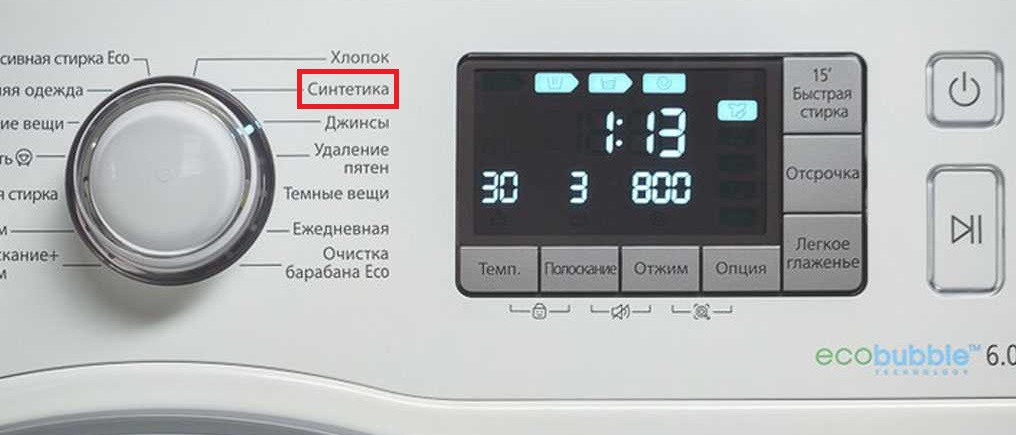
- the temperature is set to 30 degrees;
- the spin cycle is switched off;
- the double rinse function is activated;
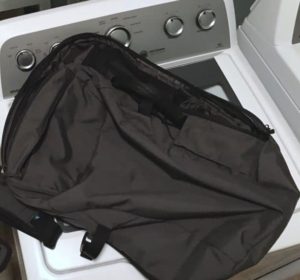
- the compression garment is placed in a protective bag;
- Only liquid detergents are used (without bleaching components).
Gentle washing won't damage the bandage—it will retain its full therapeutic properties. Avoid vigorous rubbing, bleaching, spinning, and tumble drying.
Interesting:

Readers' comments
Headings
Washing machine repair




For buyers




For users


Dishwasher




Add a comment